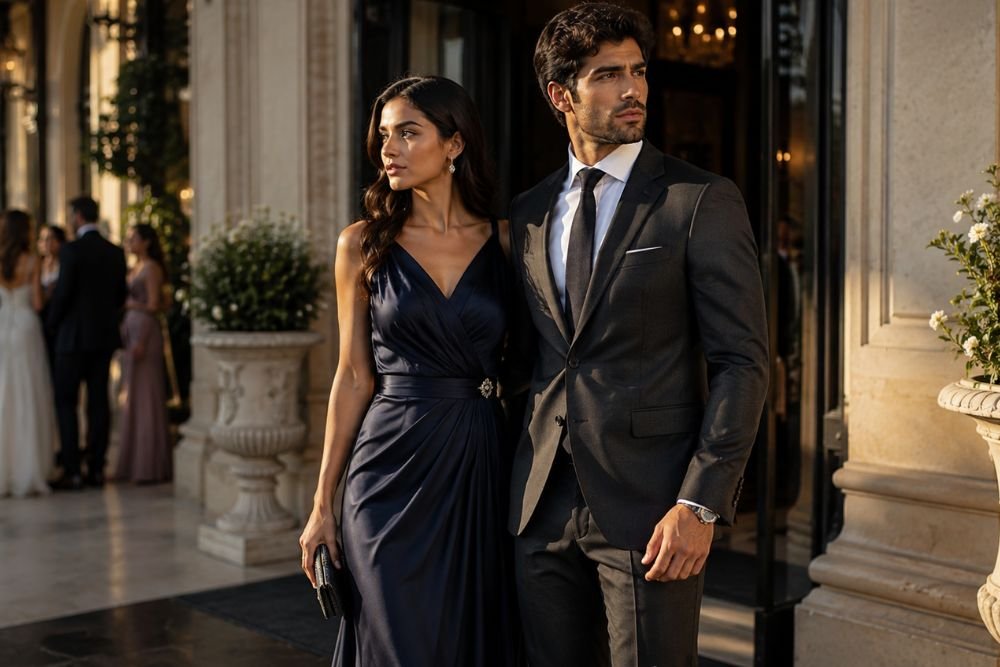
Formal attire for a wedding means dressing in elegant, polished outfits that sit between cocktail and black-tie dress codes. It typically calls for floor-length gowns or refined dressy separates for women and dark, well-tailored suits or tuxedo-level outfits for men. The goal is to look sophisticated, coordinated, and respectful of the couple’s event style.
Unlike casual or semi-formal weddings, formal wedding attire is more structured and elevated, but still offers some flexibility in color, fabric, and personal style.
Quick Answer Box: Formal Attire for a Wedding
What is formal attire for a wedding?
Formal attire is a dress code requiring elegant, polished outfits such as floor-length dresses, refined gowns, or tailored suits and tuxedos.
What should you wear to a formal wedding?
- Women: Floor-length gown, elegant maxi dress, or dressy jumpsuit
- Men: Dark suit, tuxedo, or formal three-piece suit
Key rules:
- Avoid white or bridal colors
- Choose sophisticated fabrics (silk, chiffon, velvet, wool)
- Stick to polished shoes and minimal accessories
- Match outfit formality to venue and season
Why Formal Wedding Attire Matters
Weddings are not just events, they are carefully curated celebrations of love, tradition, and aesthetics. That’s why dress codes exist, and “formal attire” is one of the most commonly used yet misunderstood instructions on invitations.
Many guests wonder what formal attire means for a wedding, especially when it sits in a gray area between cocktail and black-tie dress codes. The confusion often leads to over-dressing or under-dressing, both of which can feel uncomfortable in a highly photographed event.
Understanding what to wear to a formal wedding ensures you look appropriate, feel confident, and respect the couple’s vision for their big day.
Insight: What Experts Say About Formal Wedding Attire
Fashion stylists consistently define formal attire as a “structured but flexible” dress code. It allows guests to express personality while maintaining elegance.
According to wedding styling professionals, formal attire is best understood as:
- More elevated than cocktail wear
- Slightly less rigid than black-tie dress codes
- Highly dependent on season, venue, and cultural context
In modern wedding fashion (especially in the U.S. and Europe), formal dress codes have become more inclusive. Guests are now encouraged to incorporate tasteful colors, modern silhouettes like jumpsuits, and refined tailoring, so long as the overall look remains polished.
This shift reflects a broader trend: weddings are becoming more personalized, and dress codes are evolving to match.
What Does Formal Attire Mean for a Wedding Guest?
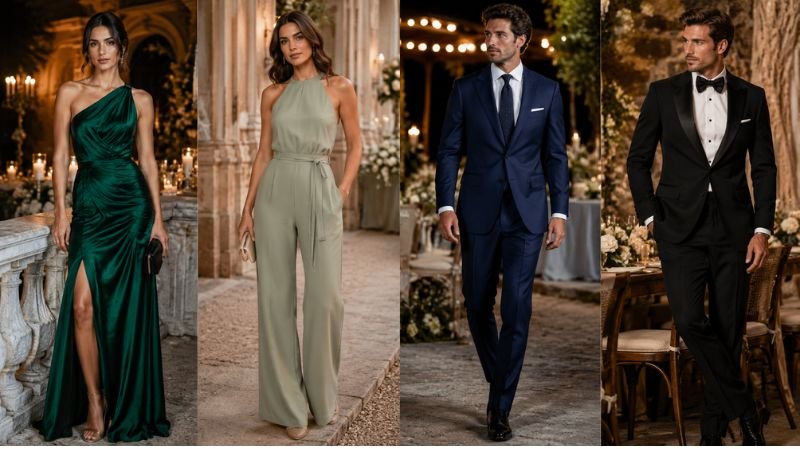
Formal attire for a wedding means dressing in elevated evening wear that reflects sophistication and respect for the occasion.
It usually includes:
- Elegant gowns or long dresses for women
- Tailored suits or tuxedos for men
- High-quality fabrics and structured silhouettes
- Minimal casual elements (no denim, sneakers, or casual cotton wear)
Unlike black-tie events, formal weddings allow slightly more creativity. However, the expectation remains: you should look refined, not relaxed.
How Is Formal Attire Different From Other Wedding Dress Codes?
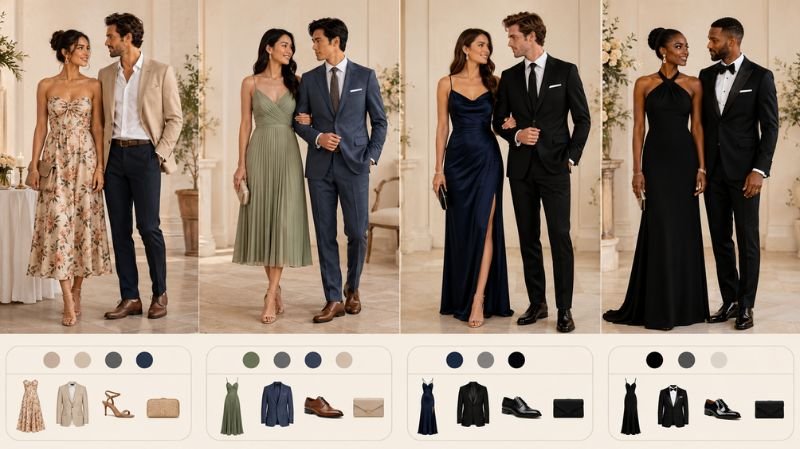
Understanding the differences helps eliminate confusion when decoding invitations.
Comparison Table: Wedding Dress Codes
| Dress Code | Women’s Outfit | Men’s Outfit | Formality Level |
| Casual | Sundress, casual separates | Shirt & chinos | Low |
| Semi-Formal | Cocktail dress, midi dress | Blazer + dress pants | Medium |
| Formal | Floor-length gown, elegant jumpsuit | Dark suit or tuxedo | High |
| Black-Tie | Evening gown (luxury fabrics) | Tuxedo with bow tie | Very High |
Key takeaway: Formal attire sits just below black-tie, but above cocktail dressing in elegance and structure.
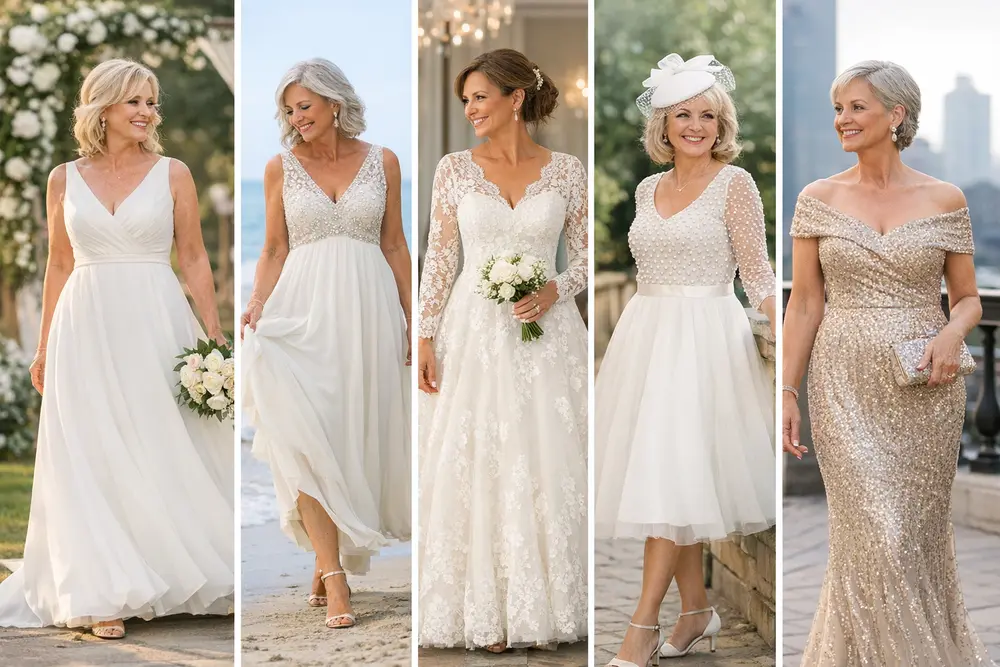
What Does Formal Attire for a Wedding Mean for Women?
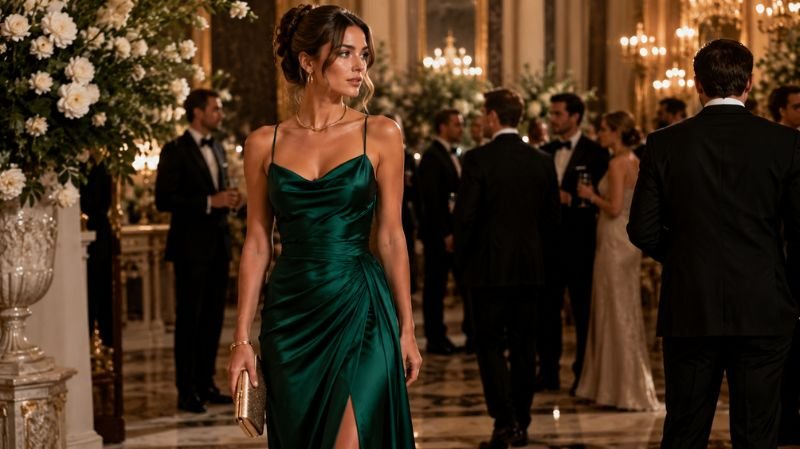
Women’s formal wedding attire is all about elegance, silhouette, and fabric quality.
Recommended Options:
- Floor-length gowns (most traditional choice)
- Elegant maxi dresses
- Dressy jumpsuits with tailored structure
- Two-piece formal sets (skirt + blouse combinations)
Best Fabrics:
- Silk and satin (classic luxury feel)
- Chiffon (light and flowy)
- Velvet (ideal for winter weddings)
- Crepe (structured and flattering)
Colors That Work Well:
- Jewel tones (emerald, burgundy, sapphire)
- Soft pastels (for daytime/formal summer weddings)
- Neutral elegance (black, navy, champagne, avoiding bridal whites)
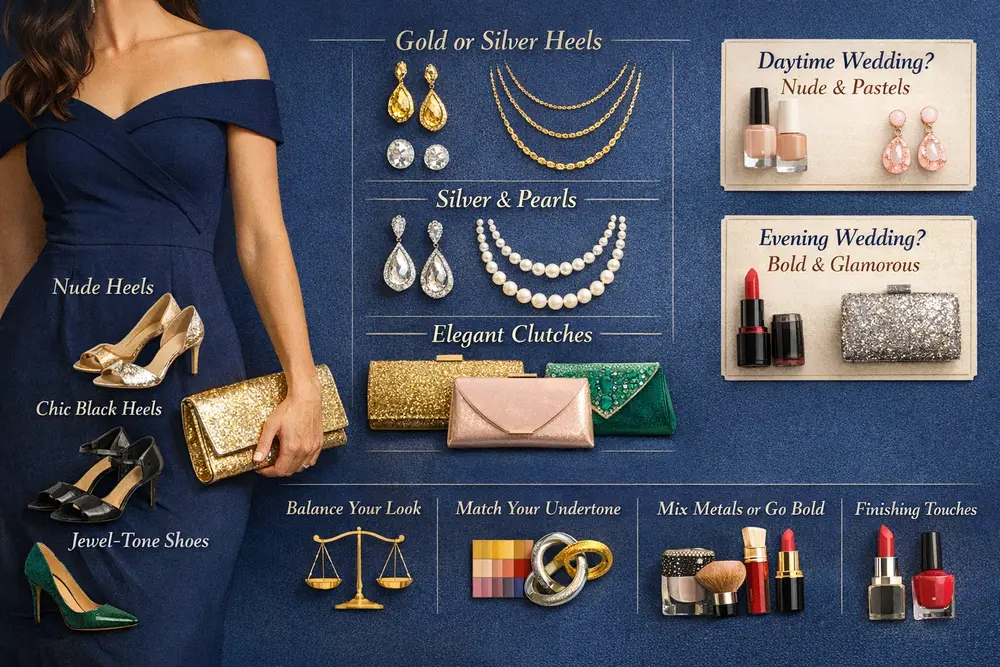
Accessories:
- Statement earrings or minimal fine jewelry
- Heeled sandals or closed-toe pumps
- Clutch bags instead of large handbags
What to Avoid:
- White, ivory, or cream tones
- Casual fabrics like jersey or cotton
- Overly revealing or beach-style outfits
What Does Formal Attire for a Wedding Mean for Men?
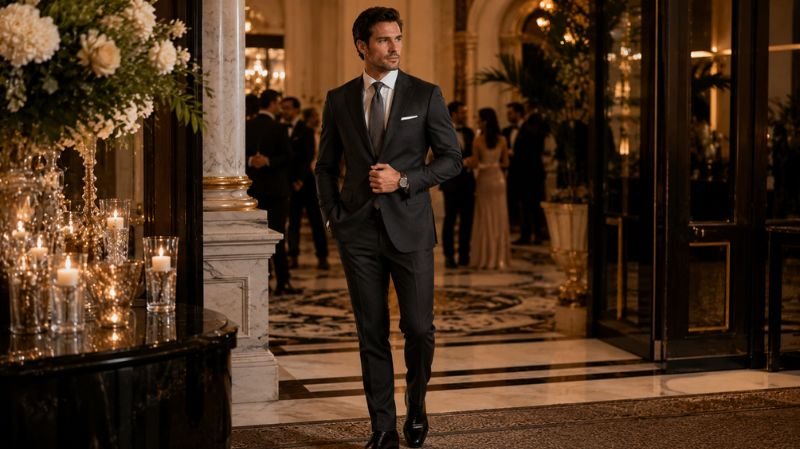
Men’s formal wedding attire focuses on sharp tailoring and clean presentation.
Standard Options:
- Dark suit (navy, charcoal, black)
- Classic tuxedo
- Three-piece suit for elevated formality
Shirt & Tie Guidelines:
- Crisp white or light-colored dress shirt
- Silk tie or bow tie depending on formality
- French cuffs for cufflinks (optional but elegant)
Footwear:
- Oxford shoes (most versatile)
- Derby shoes (slightly less formal but acceptable)
- Patent leather shoes (best for tuxedos)
Fabric Choices:
- Wool or wool blends (year-round)
- Linen blends (summer weddings)
- Velvet or heavier wool (winter weddings)
Common Mistakes:
- Wearing sneakers or loafers without structure
- Choosing overly casual blazers
- Ignoring fit and tailoring
How Does Season and Venue Affect Formal Wedding Attire?
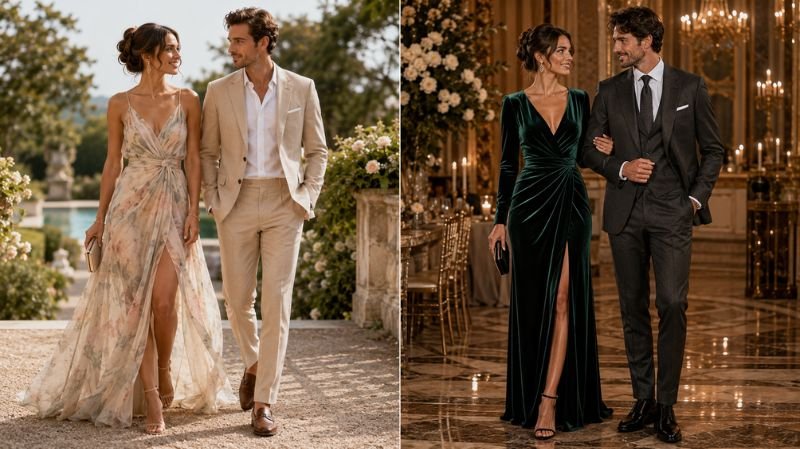
Formal attire is not one-size-fits-all. The season and venue significantly influence what is appropriate.
Summer Weddings:
- Lightweight fabrics like chiffon or linen blends
- Lighter colors (dusty pink, sky blue, sage)
- Breathable tailoring for men
Winter Weddings:
- Velvet, wool, and heavier satin
- Darker colors (burgundy, emerald, navy)
- Layered styling such as coats or shawls
Outdoor Weddings:
- Avoid long dragging hems in grass or sand
- Opt for block heels instead of stilettos
- Sunglasses can be acceptable if stylish
Indoor Ballroom Weddings:
- More traditional formal attire expected
- Floor-length gowns and tuxedos are ideal
Do’s and Don’ts of Formal Wedding Attire
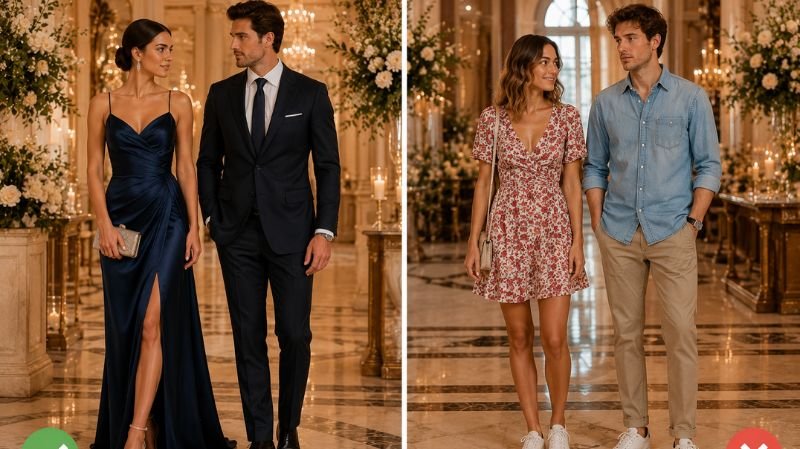
Do:
- Follow the dress code exactly as stated
- Choose well-fitted clothing
- Match the formality of the venue
- Accessorize subtly but elegantly
Don’t:
- Wear white or bridal shades
- Overdress beyond black-tie unless specified
- Wear overly casual fabrics or shoes
- Ignore cultural or religious expectations
What Are Common Mistakes People Make With Formal Wedding Attire?
Even experienced wedding guests make styling errors.
1. Confusing Formal With Black-Tie
Many assume formal means tuxedos only, but formal allows more flexibility.
2. Overlooking Fit
A poorly fitted suit or dress can make even expensive outfits look unpolished.
3. Choosing Casual Fabrics
Cotton sundresses or linen shirts often look too relaxed.
4. Ignoring the Venue Theme
A beach formal wedding is very different from a ballroom gala.
How Do You Decode a Wedding Invitation Dress Code?
Wedding invitations often use subtle language.
Common Phrases:
- “Formal attire required” → Floor-length gowns or dark suits
- “Black-tie optional” → Formal but slightly flexible
- “Dressy attire” → Semi-formal leaning toward formal
- “Cocktail formal” → Elevated cocktail wear
Pro Tip:
If the wording feels unclear, consider:
- Venue type (hotel ballroom vs garden)
- Time of day (evening = more formal)
- Season (winter weddings trend more formal)
When in doubt, it is always acceptable to politely ask the couple or planner.
Styling Tips: How to Look Perfect in Formal Wedding Attire
1. Focus on Fit
Tailoring is the foundation of elegance.
2. Keep Color Balanced
Avoid overly neon or distracting shades unless the theme allows it.
3. Prioritize Comfort
You will be sitting, dancing, and moving, comfort matters.
4. Add Personality in Moderation
- Statement earrings
- Patterned ties
- Subtle prints or textures
Real-Life Example: Dressing for a Formal Wedding
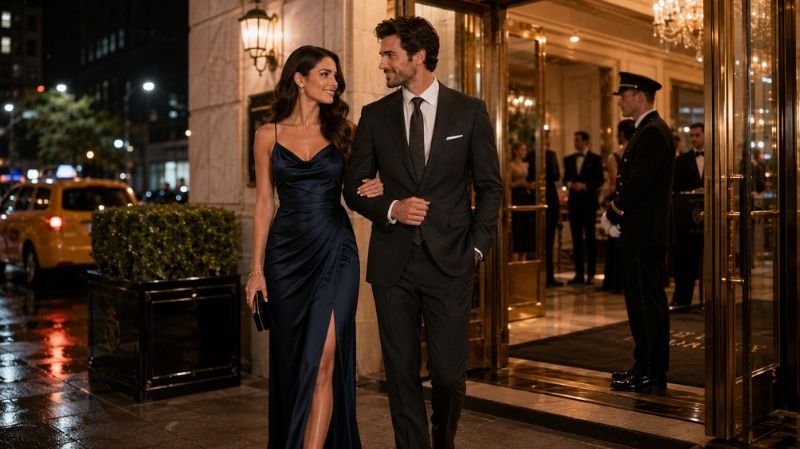
Imagine attending a formal evening wedding at a luxury hotel in New York.
A well-dressed female guest might choose:
- A navy silk floor-length gown
- Gold minimalist jewelry
- Nude heels and a clutch
A male guest might wear:
- A charcoal tailored suit
- White dress shirt
- Slim silk tie and black Oxford shoes
Both outfits meet the expectations of formal wedding attire while still allowing personal expression.
Where to Buy Formal Wedding Attire
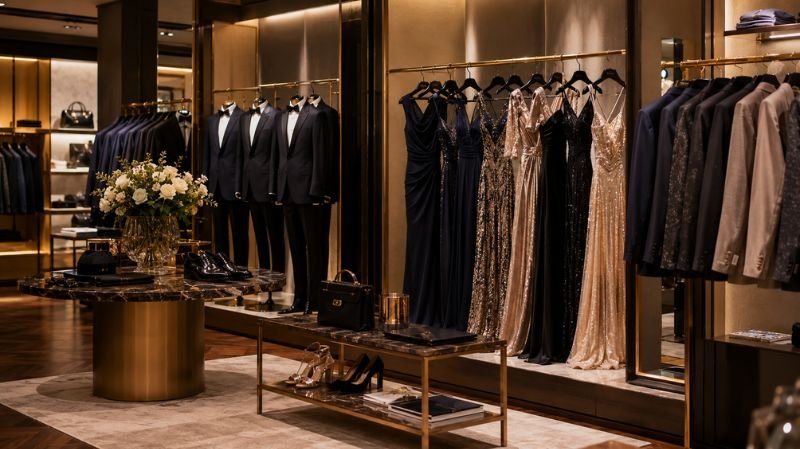
If you’re shopping for what to wear to a formal wedding, popular options include:
- Affordable fashion retailers for budget-friendly gowns
- Premium brands for long-term wardrobe investment
- Rental services for tuxedos and suits
- Custom tailoring services for perfect fit
The key is choosing quality fabrics and structured silhouettes rather than fast, overly casual fashion.
Conclusion
Understanding formal attire for a wedding removes the stress from one of the most common guest dilemmas. It ensures you show respect for the couple, blend seamlessly into the event atmosphere, and feel confident throughout the celebration.
Whether you choose a floor-length gown, a tailored suit, or a modern formal jumpsuit, the key is balance, elegance without excess, personality without distraction, and comfort without compromise.
If there’s one rule to remember, it’s this: when in doubt, always dress slightly more formal rather than too casual.
Planning your wedding guest outfit? Save this guide and use it as your styling checklist before your next invitation arrives. For more expert fashion and wedding etiquette guides, explore our latest posts and stay ahead of every dress code with confidence.
FAQs
1. What does formal attire mean for a wedding?
Formal attire means elegant clothing such as floor-length dresses for women and dark suits or tuxedos for men, designed for sophisticated wedding settings.
2. Can you wear a short dress to a formal wedding?
Generally, floor-length dresses are preferred, but a very elegant midi dress may be acceptable depending on the venue and the couple’s dress code.
3. Is a suit enough for formal wedding attire?
Yes, a well-fitted dark suit is acceptable, especially when paired with a dress shirt, tie, and polished shoes.
4. Can you wear black to a formal wedding?
Yes, black is widely accepted for formal weddings, as long as the outfit does not resemble mourning attire or overshadow the couple.
5. What fabrics are best for formal wedding attire?
Silk, satin, velvet, chiffon, and wool blends are ideal because they offer structure, elegance, and seasonal adaptability.
6. What should you avoid wearing to a formal wedding?
Avoid white, casual fabrics like cotton, sneakers, overly revealing outfits, and anything that looks too casual.
7. Are jumpsuits acceptable for formal weddings?
Yes, tailored jumpsuits are increasingly popular and acceptable as long as they are elegant and structured.
8. What colors are appropriate for formal wedding attire?
Jewel tones, neutrals, and muted pastels work best. Avoid bridal whites or overly neon shades.
9. Do formal weddings require tuxedos?
Not always. Tuxedos are optional unless the invitation specifies black-tie.
10. How do I know if my outfit is formal enough?
If your outfit is elegant, well-fitted, and made of high-quality fabric without casual elements, it is likely appropriate for a formal wedding.