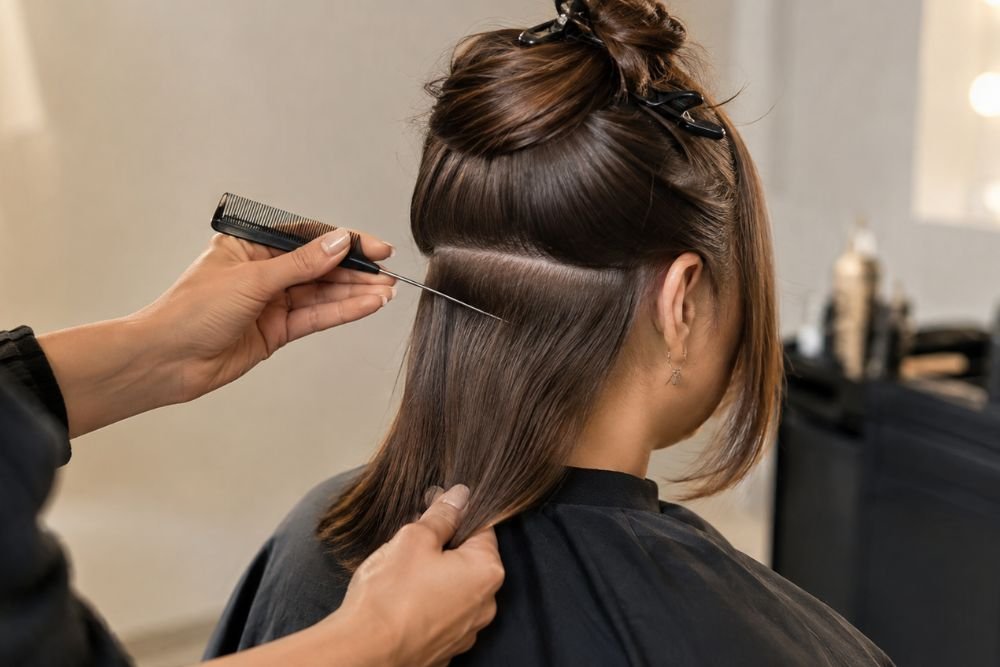
A voluminous, seamless look with clip-in hair extensions usually comes down to the work you do before clipping in the wefts. The secret to a secure and natural-looking style is how you section your head and create a solid base for the clips to hang onto. To make sure your clip in hair extensions stay securely in all day long, a few simple but necessary steps of parting and teasing your hair will do the trick.
Importance of Proper Sectioning
Begin with clean, untangled hair because this will help with a smooth application and no breakage or pain. Using a tail comb, comb a straight line through the back of your head, beginning at the nape of your neck, where you will be placing the first weft. A tidy application of sections will make your application go much faster and ensure that the extensions lie evenly across the back of your head.
Why Backcombing Creates a Necessary Base
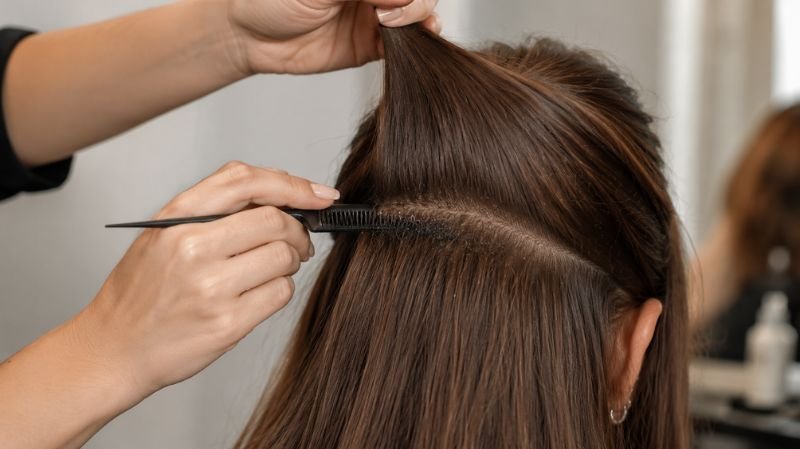
Heavy clip-in wefts require a bit of grip to stay put, something naturally silky or freshly washed hair often lacks. Always remember that backcombing or teasing forms a small, matted cushion of hair at the root where you want to attach the clip. Having this texture gives the metal teeth of the clip something substantial to hold onto and prevents the extension from sliding down your head all day long.
Techniques for Gentle and Effective Backcombing
Take a small section of hair at the root, pull it tight and, using a fine-tooth comb, push the hair downwards towards your scalp in short, steady strokes. Make sure that you generate enough volume to give yourself a nice cushion without turning your hair into a tangled mess. When you have got this base built up, remember to spray a tiny amount of hairspray over the spot to help it grip even better.
Positioning the Wefts for Natural Movement
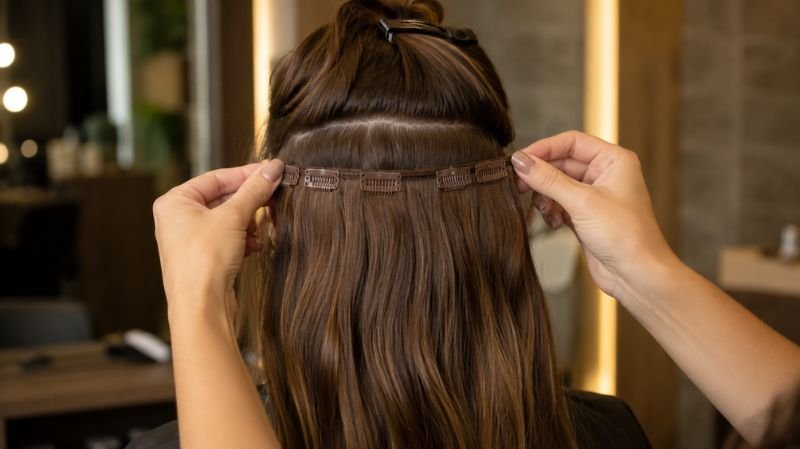
Start by snipping the centre of the weft first, then work outwards to ensure that the tension is spread evenly across your head. However, if you cut the extensions too close to your hairline, the clips will show when the wind blows or you move your hair, so be careful. In addition to that, making them a bit lower and allowing your natural hair to cover the top creates a soft, believable transition.
Balancing Volume and Comfort for Daily Wear
While it is tempting to stuff your head with as many wefts as you can, achieving the proper balance in the amount of clips is important for your comfort. Clip In Hair Extensions distribute weight evenly around the head, which avoids putting too much strain on any one area. If you feel a certain section pulling, take the clip off, tease the area again and reattach to make sure the weight is distributed properly.
Managing the Blending Process After Clipping
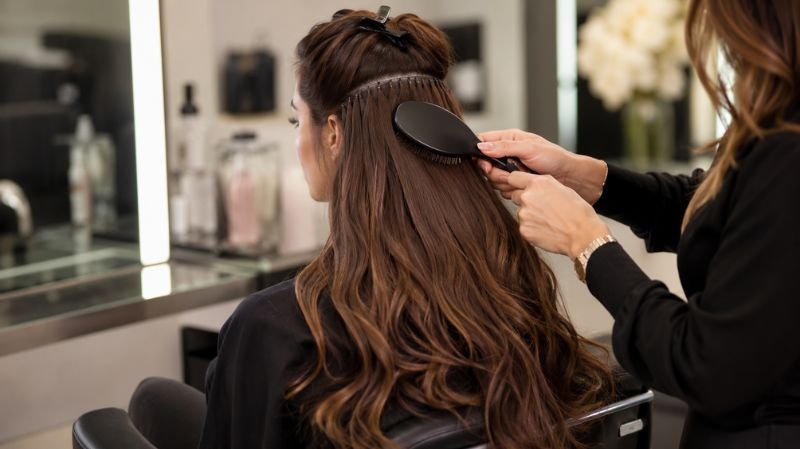
Once all of your extensions are in place, the final step is to blend your natural hair with the added length so that the points of attachment are hidden. Gently brush your own hair over the tops of the clips, using a brush to ensure that no tracks are visible. Your hair is straight, and the extensions are more textured. In that case, you may want to use a hair straightener or curler to create a more uniform look overall.
Reliable Maintenance Tips for Healthy Natural Strands
Effectively and regularly using backcombing and clips means you need to take extra care of your natural hair so that there is no breakage. Always take your clip in extensions out before bed. If you sleep with them in, they can cause serious tangling and stress on your roots. When taking out the clips, remember to undo the clips first and then gently use your fingers or a comb to remove the tease you did earlier.