
Fashion isn’t just about clothes. It’s about story, identity, and the way you make people feel when they wear what you create. Whether you’re launching a boutique line, building a personal brand, or scaling a small fashion business, the right brand identity is what turns casual buyers into loyal fans.
The challenge is that many creators and small businesses struggle to translate their vision into a cohesive brand that looks professional, feels authentic, and actually drives sales. You might have amazing designs, but if your visuals, messaging, and online presence don’t align, customers won’t “get” what makes you special and they’ll walk.
That’s where smart, simple tools come in. Modern design platforms let you build a full brand identity which includes logo, visuals, social content, packaging without hiring a costly agency or spending months learning design software. You can create on-brand assets fast, test what works, and scale without burning out.
This guide walks you through a practical, step-by-step framework for building a fashion brand identity that sells. You’ll learn how to define your story, craft your visual language, choose the right platforms, create content that converts, and measure what matters — all with workflows that work for creators and small businesses. By the end, you’ll have a repeatable system you can implement this week.
Step 1: Define Your Brand Story and Core Values

Every strong fashion brand starts with a story. Not just “what you sell,” but why you exist, who you serve, and what makes you different.
Ask yourself:
- What problem do you solve for your customers? (e.g., “I help busy women look polished without spending hours styling”)
- What’s your origin story? (e.g., “I started this line after struggling to find sustainable workwear that fit my body”)
- What values drive you? (e.g., sustainability, inclusivity, craftsmanship, affordability)
- What emotion do you want people to feel when they wear your clothes? (e.g., confidence, comfort, freedom)
Write a short brand statement (2–3 sentences) that captures this. Example:
“We create minimalist, sustainable workwear for women who want to feel confident and comfortable all day. Our designs are made from eco-friendly fabrics, fit real bodies, and behind every piece is a story of craftsmanship and care.”
This statement becomes your north star. It guides your design choices, marketing messages, and even how you talk to customers.
Step 2: Identify Your Target Customer and Their Style Preferences

Great fashion branding starts with your customer, not your product. Think deeply about the people you want to reach:
- Age, location, lifestyle
- Income level and shopping habits
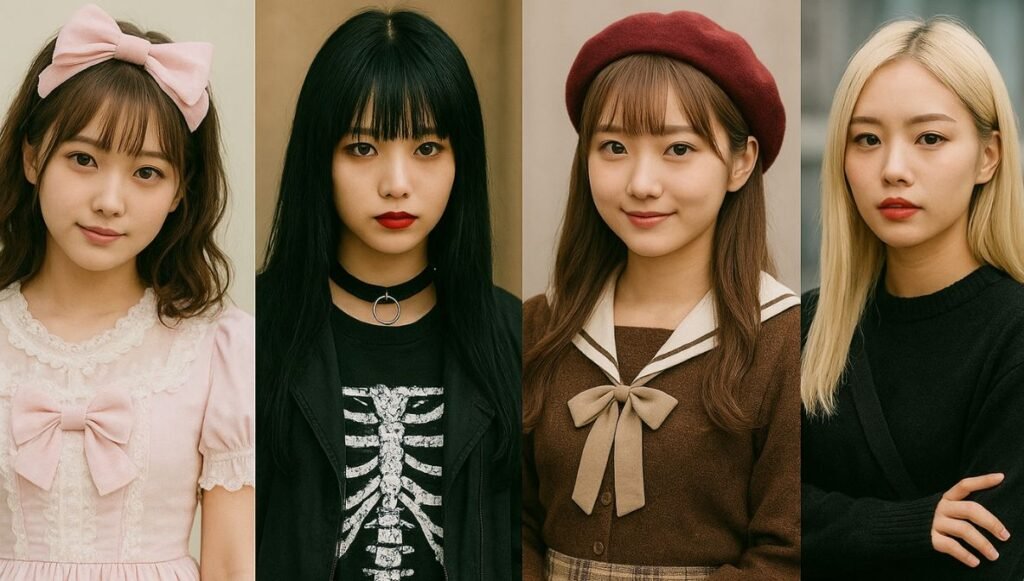
- Style preferences (e.g., minimalist, streetwear, boho, classic)
- What they value (e.g., sustainability, quality, trendiness, affordability)
- Where they hang out online (Instagram, TikTok, Pinterest, Facebook)
- What barriers stop them from buying (price, fit uncertainty, lack of trust)
For example:
- A slow fashion brand might target women 28–45 who value sustainability, shop less but buy better, and follow ethical brands on Instagram.
- A streetwear line might target teens and young adults 16–25 who want bold, trendy designs and shop based on TikTok trends.
Create a short customer profile for your top 1–2 groups. Include:
- Name (e.g., “Eco Emily”)
- Age, location, job
- Style preferences
- Pain points
- Preferred channels
- What motivates them to buy
This helps you create content and designs that feel personal and relevant — which builds trust and drives action.
Step 3: Craft Your Visual Brand Language
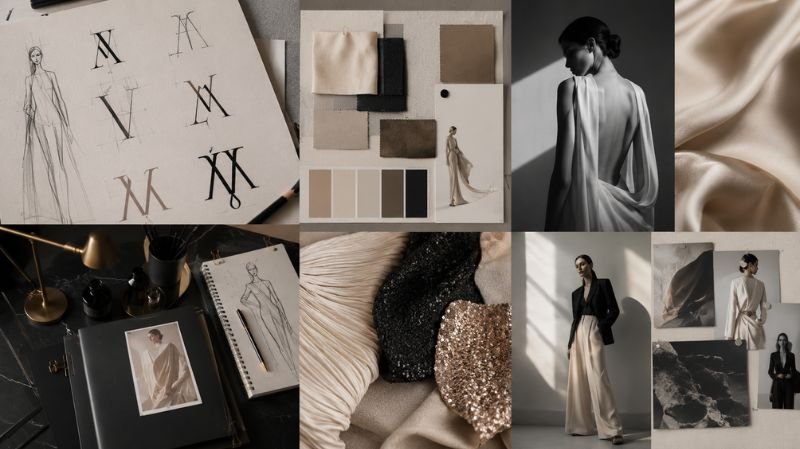
Your visual identity is how customers see your brand before they even read a word. It includes:
- Logo (primary and secondary versions)
- Color palette (main colors + accents)
- Typography (fonts for headings, body, tags)
- Imagery style (photos, illustrations, textures)
- Graphic elements (patterns, icons, borders)
Your visual language should match your brand story and customer preferences. For example:
- Minimalist brand: clean lines, neutral colors (black, white, beige), simple typography, high-quality photos with soft lighting
- Streetwear brand: bold colors (neon, red, black), graffiti-style fonts, dynamic angles, urban backgrounds
- Boho brand: warm tones (terra cotta, olive, sand), hand-drawn elements, natural textures, soft lighting
Building Your Logo
Your logo is the face of your brand. It should be simple, memorable, and scalable (works on a tag, a website header, and a social post).
You don’t need to hire a designer to start. Many creators now use simple AI tools to generate logo options in minutes. For example, when you’re launching a new collection or need a quick brand refresh, using an AI logo maker can help you test multiple styles and lock in a design that fits your vision without spending weeks or thousands on a custom logo.
Once you have a logo, create variations:
- Primary logo (full version)
- Icon-only logo (for social profiles, app icons)
- Horizontal and vertical versions (for different layouts)
Choosing Your Color Palette
Pick 3–5 core colors:
- 1–2 main colors (dominant in your brand)
- 1–2 accent colors (for highlights, buttons, CTAs)
- 1 neutral (white, black, gray, beige)
Make sure your colors work together and match your brand emotion. For example:
- Confidence + luxury: black, gold, white
- Comfort + sustainability: sage green, terra cotta, cream
- Youth + energy: neon pink, electric blue, black
Selecting Typography
Pick 2 fonts:
- 1 for headings (bold, memorable)
- 1 for body text (clean, readable)
Avoid using more than 2–3 fonts. Consistency is key.
Defining Your Imagery Style
Decide on:
- Photo style (bright vs. moody, natural light vs. studio)
- Subject focus (full-body shots, close-ups, lifestyle scenes)
- Background (clean, urban, natural, textured)
- Editing style (warm, cool, high contrast, soft)
Create a simple style guide with examples so anyone on your team can recreate your look.
Step 4: Choose the Right Platforms and Content Types
You don’t need to be on every platform. Pick 2–3 where your target customers are active and where you can consistently post quality content.
Common platforms for fashion brands:
- Instagram: Essential for visual storytelling. Use posts, Reels, Stories, and carousel posts.
- TikTok: Perfect for short, trend-driven videos (styling tips, behind-the-scenes, try-ons).
- Pinterest: Great for inspiration pins, product showcases, and SEO-driven traffic.
- Facebook: Works well for community building, reviews, and local events.
- Website + Blog: Your hub for sales, product pages, and storytelling (essential for SEO and trust).
For each platform, decide:
- Content type (post, video, photo, story)
- Frequency (e.g., 3 posts/week, 2 Reels/week)
- Goal per platform (e.g., Instagram = brand awareness, website = sales)
Example for a sustainable clothing brand:
- Instagram: 4 posts/week (2 Reels, 2 photos), goal = attract new customers
- TikTok: 3 videos/week (styling tips, behind-the-scenes), goal = build community
- Website + Blog: 1 post/month + product pages, goal = drive sales
Step 5: Build a Content Production Workflow with AI Tools

Consistency is the key to fashion branding. You need to post regularly, but you also need quality. That’s where AI tools help you speed up creation without losing your touch.
Brainstorming and Planning
Use AI to generate content ideas based on your audience and goals. For example:
- “Give me 10 Instagram post ideas for a sustainable clothing brand targeting eco-conscious women.”
- “Suggest 5 TikTok video ideas for a streetwear line targeting teens.”
Create a simple content brief template:
- Topic
- Audience
- Platform
- Goal
- Key message
- Required assets (photo, video, graphic)
- Deadline
Writing Copy
AI can write first drafts for:
- Social posts (headline + caption + CTA)
- Email newsletters
- Blog outlines and short articles
- Product descriptions
Always edit AI output to match your brand voice. Use AI as a starting point, not the final version.
Creating Visuals
AI tools make it easy to create professional graphics, banners, and posters without design skills.
For example, when you need collection launch posts, sale banners, or event promos, using simple design tools can turn a rough idea into a polished visual in under 10 minutes. That frees you to focus on storytelling and customer engagement instead of hours of manual design.
Repurposing Content
Turn one asset into many. For example:
- Turn a 5-minute video into 3 short clips for TikTok and Reels
- Convert a blog post into 3 social posts and 1 email snippet
- Create a banner, poster, and GIF from the same image
AI helps automate this. You can generate captions, alt text, and multiple headline variants for testing.
Step 6: Launch, Track Results, and Improve

Fashion branding is iterative. Review your metrics every 30 days:
- Which posts got the most engagement?
- Which platform drove the most traffic or sales?
- What type of content worked best (video, photo, blog)?
- What should you stop or change?
Use these insights to double down on what works and cut what doesn’t.
Key metrics to track:
- Engagement rate (likes, comments, shares)
- Click-through rate (CTR) to website
- Conversion rate (website visitors → buyers)
- Return customer rate
- Social follower growth
Conclusion
Building a fashion brand identity that sells isn’t about having the biggest budget. It’s about having a clear story, a strong visual language, and a repeatable system for creating content that connects. Use simple tools to speed up creation, stay consistent, and measure what works. Over time, you’ll build a brand that doesn’t just look good but drives real sales and loyal customers.
Start small. Define your story, pick your platforms, and create one piece of content this week. Then iterate, learn, and grow. Your brand will follow.