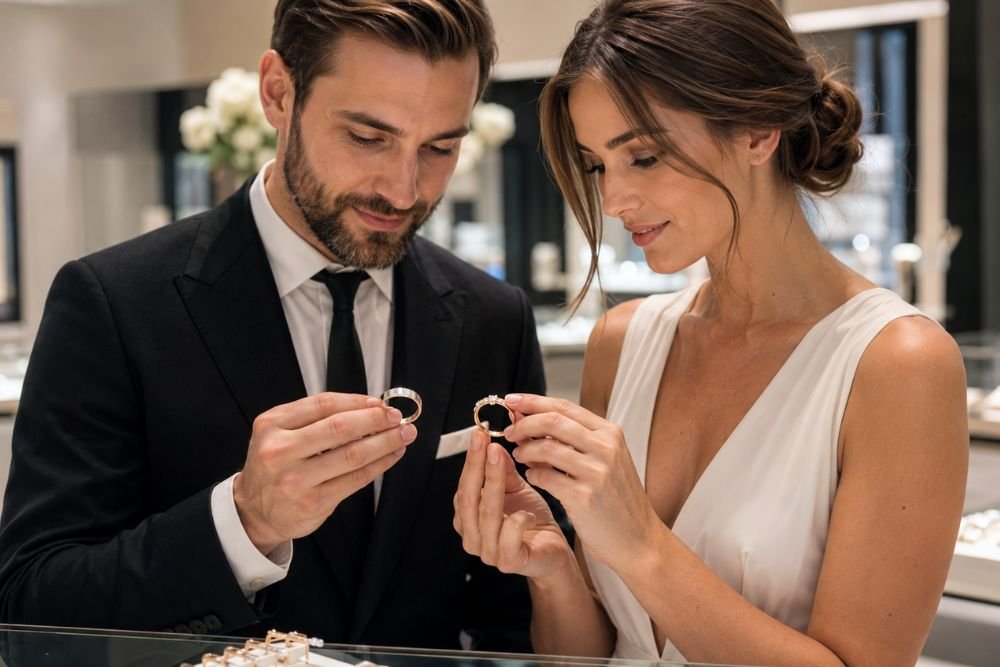
If you’re picturing matching bands in a “traditional” metal, chosen more or less the way your parents chose theirs, you can toss that script out the window. That’s not really how it works anymore. Couples getting married now are treating this decision as genuinely open, not a formality with an answer already decided for them but an actual choice worth thinking through.
Regulatory changes have quietly widened the field too. The FTC’s revised Jewelry Guides eliminated the minimum fineness threshold required to describe a product as gold, meaning pieces below the previous 10-karat standard can now be marketed as gold provided the karat weight is disclosed. That shift is one small piece of a much broader opening up of the category for couples exploring options in New York.
Here’s how that shift is actually playing out in the specific ways a new generation of couples is reimagining what a wedding ring can be.
Matching Sets Are No Longer the Default
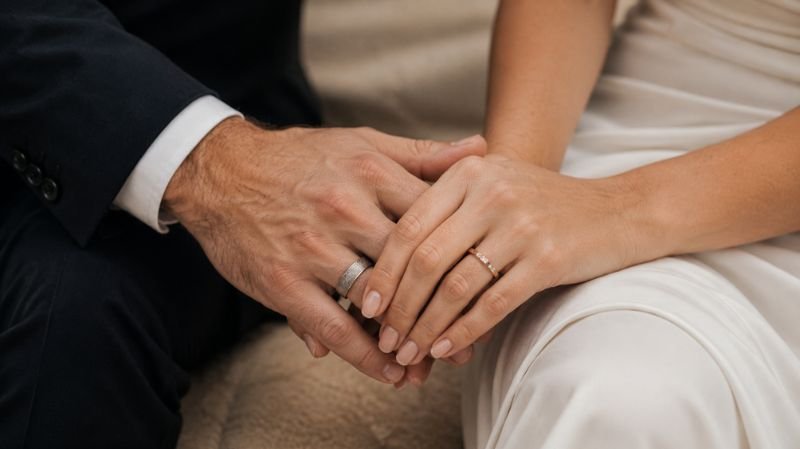
The assumption that both partners should wear coordinated or identical bands has weakened considerably. Many couples now choose rings independently, selecting what each person actually wants to wear rather than compromising toward a middle ground that suits neither perfectly. One partner might prefer a wide, textured band while the other wants something thin and understated, and increasingly, there’s no expectation that these choices need to visually match at all.
This tends to produce better long-term satisfaction, since each ring reflects one person’s genuine taste rather than a negotiated agreement about what looks acceptable on two very different hands. A ring worn every day for decades holds up better, both practically and emotionally, when it was chosen on its own merits rather than as half of a coordinated pair.
Alternative Metals and Mixed Finishes Are Gaining Ground
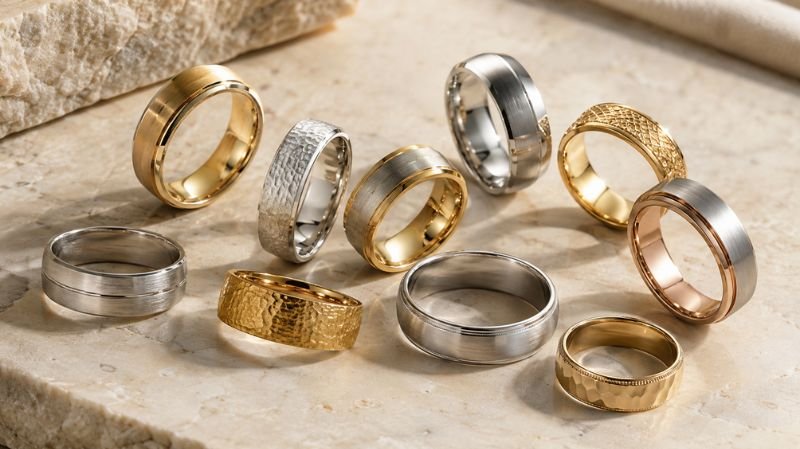
Yellow gold has returned after years of white metal dominance, and couples are increasingly mixing tones and textures rather than sticking to a single, uniform look.
- Yellow gold’s resurgence: returning after years of white metal dominance, now chosen for its warmth rather than treated as outdated
- Mixed metal pairings: a yellow gold band worn alongside white gold accents, or entirely different metals chosen for each partner
- Textured and matte finishes: moving away from the polished, high-shine look that once defined nearly every band
- A far wider range overall: expanding well beyond the polished-yellow-or-white binary that dominated for decades
Couples browsing wedding rings now encounter this expanded range directly, making it easier to compare options side by side rather than defaulting to whichever tone happens to be most familiar. Ritani carries bands across this broader selection of metals and finishes, giving couples genuine room to explore beyond the traditional defaults.
Lab-Grown Stones Have Changed the Value Conversation
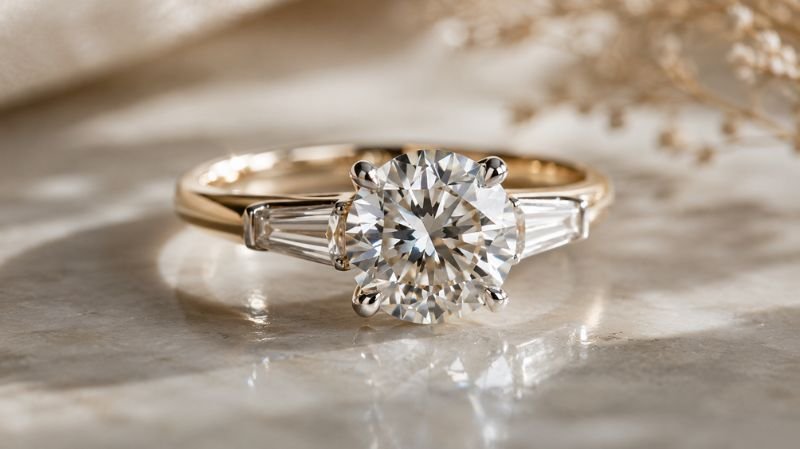
For couples choosing bands with stones, lab-grown options have reshaped budgeting entirely. The same investment now stretches considerably further, whether that means a larger stone, a more elaborate setting, or simply spending less overall without compromising on quality. What used to require a significant financial stretch to achieve a certain size or clarity grade is now genuinely accessible to a much wider range of budgets, changing what couples feel they can realistically consider.
This has also shifted the conversation away from size as the primary measure of a ring’s significance, since the constraint that once made carat weight a proxy for effort no longer applies in the same way. When a larger, higher-quality stone is simply more attainable, couples are freer to choose based on what they actually want the ring to look like, rather than treating size as the clearest signal of how much was invested.
Personalization Is Replacing One-Size-Fits-All Design
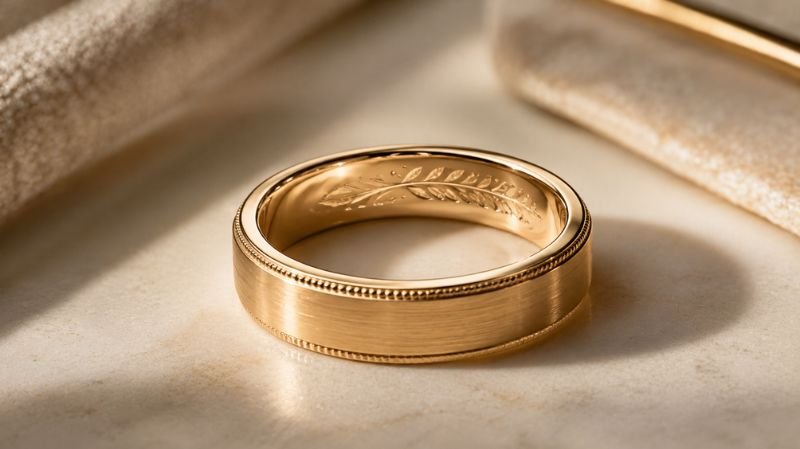
Engraving, custom profiles, and unconventional band widths have all become more common as couples treat the ring as something to design rather than select.
- Custom engraving: personal messages, dates, or symbols hidden inside the band, visible only to the wearer
- Custom band profiles: shaping the interior and exterior of the band to fit comfort preferences beyond standard options
- Unconventional widths: moving away from a narrow range of “standard” sizes toward whatever genuinely suits the wearer
- Fully custom designs: building a ring from scratch rather than choosing from an existing collection
The goal for many is a piece that couldn’t be mistaken for anyone else’s, which is a meaningful departure from decades of near-identical bands.
Practicality Is Shaping Choices More Than Ever

Couples are also thinking harder about daily wear than previous generations typically did. Professions involving manual work, active lifestyles, and simple everyday comfort now factor into the decision alongside aesthetics, producing choices like lower-profile settings and more durable metals. A ring that looks stunning but catches on gloves, tools, or gym equipment simply isn’t practical for someone whose daily routine doesn’t accommodate that kind of fragility.
This shift reflects a broader mindset: the ring needs to genuinely function as an everyday object, not just perform well for a single photograph or a handful of special occasions. Couples increasingly ask about scratch resistance, comfort during physical activity, and how a setting holds up over years of regular use, treating durability as just as important as how the ring looks on the day it’s chosen.
Questions Couples Are Asking Themselves Now
A few considerations come up repeatedly among couples navigating this decision, and working through them honestly tends to matter more than any single design choice.
- Does it need to match? decide early whether coordinated bands genuinely matter to both partners, rather than assuming it’s expected
- How will it wear daily? factor in profession and lifestyle before committing to a profile or metal
- What would we choose without the template? separating personal preference from inherited expectation clarifies a lot about what each partner actually wants
- What can we genuinely afford without compromise? using expanded options like lab-grown stones to stretch the budget rather than settling for less than intended
Working through these questions honestly tends to lead couples toward rings they’re still happy with years later, rather than ones chosen to satisfy an assumption neither partner actually held.
Conclusion
What’s really changed isn’t any single design trend; it’s the underlying assumption that a wedding ring should look a particular way at all. Couples marrying now are approaching the decision as an open question, weighing metal, design, stones, and practicality against their own lives rather than a template inherited from previous generations. That freedom occasionally makes the choice harder, but it consistently produces rings that feel genuinely personal, which is arguably the entire point.