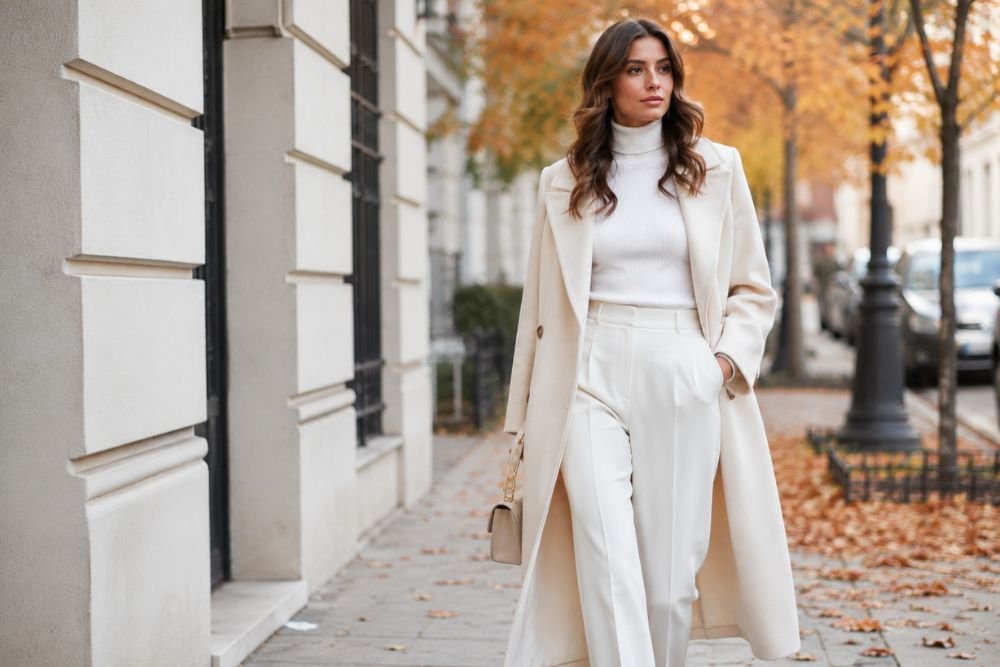
Yes, you can wear white after Labor Day. The old fashion rule that discouraged wearing white after Labor Day is considered outdated by most fashion experts today. Modern style focuses on seasonal fabrics, textures, and outfit coordination rather than strict color restrictions tied to a calendar date.
Whether you’re wearing white jeans, white sweaters, white boots, or an all-white outfit, white remains a stylish and versatile color throughout fall and winter.
| Question | Quick Answer |
| Can I wear white after Labor Day? | Yes, absolutely. |
| Is the rule still relevant today? | No, it is largely outdated. |
| Can you wear white pants after Labor Day? | Yes, and they are very popular in fall. |
| Can you wear white in winter? | Yes, winter white is a major fashion trend. |
| What matters most? | Fabric, texture, layering, and styling. |
Why Do People Still Ask, “Can You Wear White After Labor Day?”
Fashion rules have a way of surviving long after they stop making sense. Few style myths have lasted as long as the belief that you shouldn’t wear white after Labor Day. Despite modern fashion evolving dramatically over the past century, millions of people still wonder whether wearing white after Labor Day is considered inappropriate.
The truth is much simpler than many expect. Today’s fashion world has largely abandoned this rule. Designers, stylists, celebrities, and fashion editors regularly wear white throughout every season of the year.
The real question is no longer whether you can wear white after Labor Day. It’s how to style it in a way that feels appropriate for the season.
Why Was There a Rule About White After Labor Day?
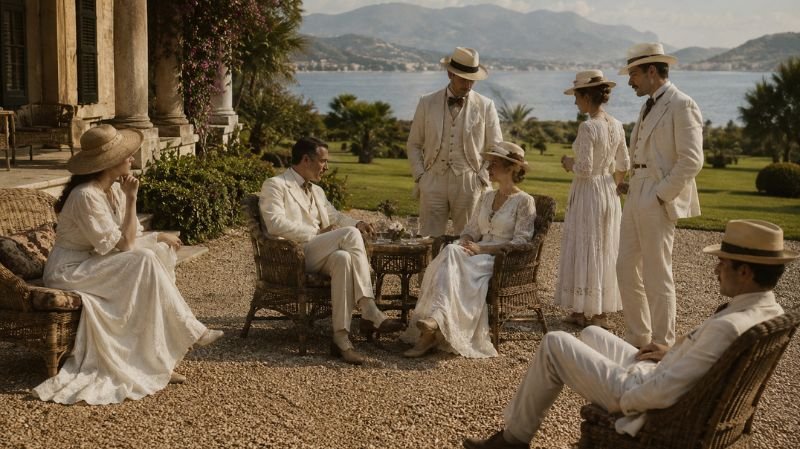
The origin of this fashion rule dates back to the late nineteenth and early twentieth centuries. At the time, clothing choices often reflected social status and lifestyle.
Wealthy families would leave crowded cities during summer and vacation in coastal resorts or countryside retreats. During these warm months, they wore lightweight white clothing because it was comfortable, breathable, and reflected sunlight.
When Labor Day arrived, summer vacation ended. Families returned to the city and transitioned into darker, heavier clothing suitable for cooler weather.
Over time, this seasonal wardrobe shift became associated with social etiquette, eventually evolving into the famous “no white after Labor Day” rule.
Was the Rule Really About Fashion?
Not exactly, the original rule was more about class distinctions and practicality than style.
Before air conditioning existed, white fabrics helped people stay cooler during hot summer months. Darker colors became more practical during autumn and winter because they concealed dirt and paired better with heavier fabrics.
According to historical fashion experts, wearing white after Labor Day often signaled that someone was wealthy enough to continue vacationing beyond the summer season. The rule was rooted in social customs, not fashion necessity.
Does the White After Labor Day Rule Still Apply Today?
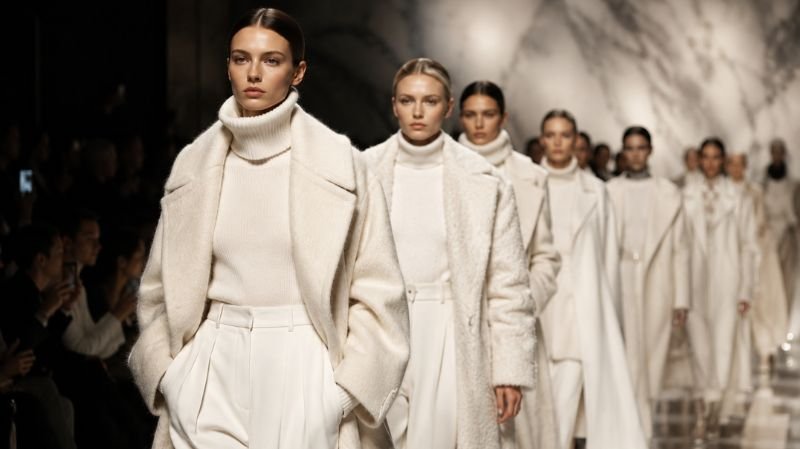
No, Most modern fashion professionals agree that the rule is outdated. Today’s style landscape is built around individuality, versatility, and self-expression.
Major fashion houses regularly include white pieces in fall and winter collections. White coats, ivory sweaters, cream trousers, and monochromatic winter-white outfits appear on runways every year.
Fashion has shifted away from rigid rules and toward personal style choices. As a result, white after Labor Day is not only acceptable, it’s fashionable.
Traditional Vs Modern Fashion Rule
| Traditional Rule | Modern Fashion Rule |
| No white after Labor Day | Wear white year-round |
| Seasonal restrictions | Personal style first |
| Class-based fashion norms | Individual expression |
| White only in summer | White in every season |
What Do Fashion Experts Say About Wearing White After Labor Day?
Most stylists encourage wearing white throughout the year. The key is adapting white to seasonal conditions.
Instead of focusing on the color itself, experts recommend paying attention to:
- Fabric weight
- Texture
- Layering
- Seasonal color combinations
- Weather-appropriate footwear
A white linen beach dress may feel out of place during winter, but a cream cashmere sweater looks perfectly seasonal.
The difference isn’t the color. It’s how the piece is styled.
Why Is White Considered a Year-Round Neutral?
White works similarly to other classic neutrals. Like black, beige, gray, and navy, white complements nearly every color palette.
White also offers several styling advantages:
- Creates contrast with darker shades
- Brightens fall and winter outfits
- Works in casual and formal settings
- Looks sophisticated in monochromatic styling
- Remains timeless regardless of trends
These qualities make white one of the most versatile colors in fashion.
Can You Wear White Pants After Labor Day?
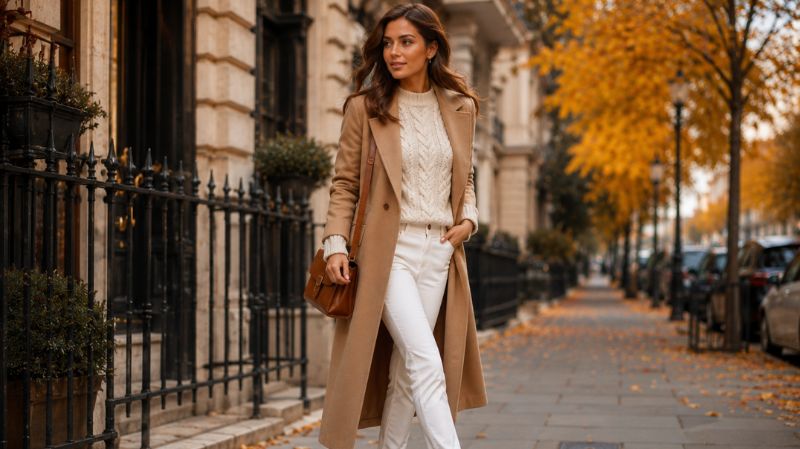
Absolutely, one of the biggest misconceptions in fashion is that white pants after Labor Day are inappropriate.
In reality, white jeans and trousers are among the most versatile wardrobe pieces for autumn and winter.
White pants pair beautifully with:
- Camel coats
- Black turtlenecks
- Brown leather boots
- Navy blazers
- Chunky knit sweaters
Many stylists consider white denim a fall wardrobe essential because it creates contrast against darker seasonal colors. If you’re wondering whether white pants after Labor Day are acceptable, the answer is a clear yes.
What Is Winter White?
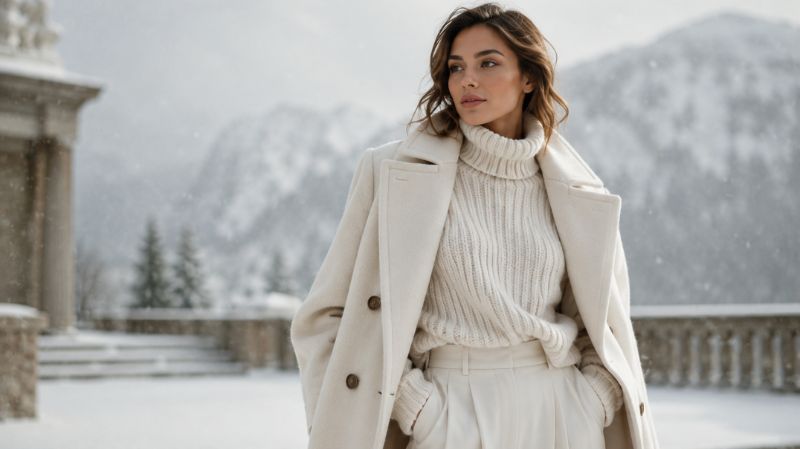
Winter white refers to shades of white specifically styled for colder seasons.
Rather than bright summer whites, winter white often includes:
- Ivory
- Cream
- Off-white
- Ecru
- Soft neutral whites
These warmer tones blend naturally with autumn and winter wardrobes. Winter white has become increasingly popular because it creates elegant, luxurious outfits without relying on bright seasonal colors.
What White Clothing Works Best After Labor Day?
Certain white pieces transition especially well into cooler months.
White Jeans
White jeans remain one of the easiest ways to wear white after Labor Day. They pair effortlessly with boots, sweaters, and coats.
White Sweaters
Chunky knit sweaters, cashmere pullovers, and turtlenecks feel perfectly suited to fall and winter.
White Blazers
White blazers add polish and sophistication to seasonal outfits.
White Coats
Cream and ivory coats create standout winter looks.
White Boots
White boots have become a favorite among fashion influencers and stylists.
White Accessories
Handbags, scarves, belts, and sneakers provide subtle ways to incorporate white year-round.
How Can You Wear White After Labor Day Stylishly?
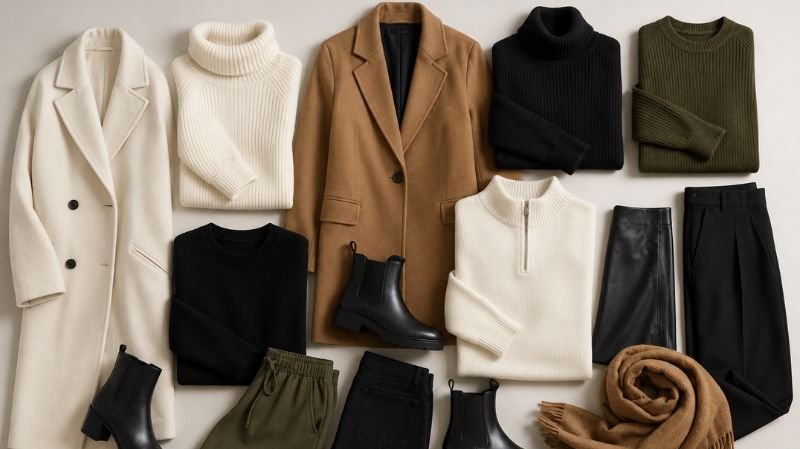
The secret lies in seasonal styling. Here are some of the most effective ways to make white work beyond summer.
Go Monochrome
An all-white outfit can look incredibly sophisticated.
The key is mixing textures.
For example:
- Ivory wool coat
- White knit sweater
- Cream trousers
- White leather boots
Combining different materials prevents the look from appearing flat. Monochromatic white outfits often feel luxurious and fashion-forward.
Pair White With Neutral Tones
Neutral colors help white feel more seasonal.
Popular combinations include:
- White and camel
- White and chocolate brown
- White and olive green
- White and charcoal gray
These color pairings create warmth while maintaining elegance. A white midi dress layered beneath a camel coat instantly becomes fall-ready.
Embrace Classic Black and White
Black and white remains one of fashion’s most timeless combinations.
The contrast is clean, sophisticated, and versatile.
Examples include:
- White turtleneck with black trousers
- White jeans with black ankle boots
- White sweater with a black leather jacket
This pairing works equally well for work, casual outings, and evening events.
Choose Statement White Outerwear
White outerwear stands out beautifully against darker seasonal wardrobes.
Consider:
- Ivory wool coats
- White trench coats
- Cream teddy jackets
- Off-white blazers
Rich textures make these pieces feel luxurious rather than summery.
Add Seasonal Sparkle
Fall and winter bring numerous celebrations and social gatherings. White serves as an excellent foundation for festive styling.
Examples include:
- White sequined dresses
- Satin white skirts
- Pearl accessories
- Metallic accents
These elements add sophistication without overwhelming the outfit.
Layer Different Shades of White
Modern fashion embraces mixing shades.
Try combining:
- Pure white
- Cream
- Ivory
- Off-white
Layering multiple tones creates depth and visual interest. Many luxury brands regularly use this technique in fall and winter collections.
Start With White Accessories
If you’re hesitant about wearing white after Labor Day, begin with accessories.
Popular choices include:
- White handbags
- White boots
- White sneakers
- White scarves
- White belts
Accessories provide contrast while helping you experiment with seasonal styling.
What Fabrics Make White Appropriate for Fall and Winter?
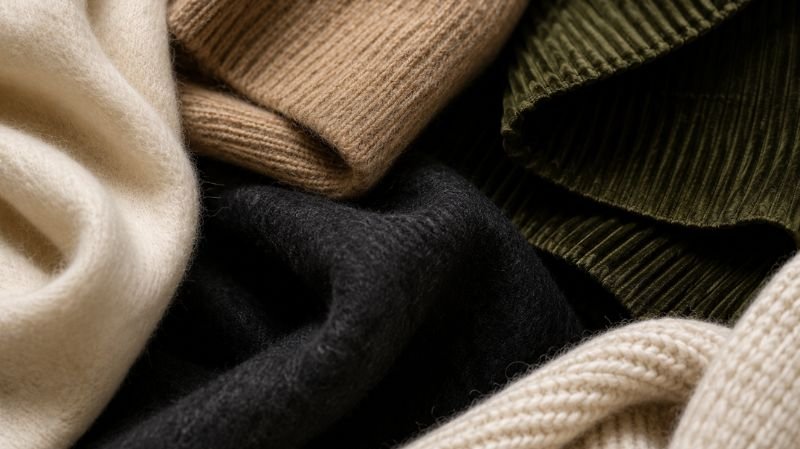
Fabric matters more than color.
The best white fabrics for cooler seasons include:
- Wool
- Cashmere
- Knitwear
- Denim
- Corduroy
- Heavy cotton
- Suede-trimmed materials
These textures immediately feel seasonal. By contrast, lightweight linen and beach-inspired fabrics tend to feel more summer-specific.
What Fashion Mistakes Should You Avoid?
While white is perfectly acceptable after Labor Day, certain styling mistakes can make outfits feel out of sync with the season.
Avoid:
Lightweight Summer Fabrics
Thin linen pieces often look disconnected from fall and winter wardrobes.
Lack of Layering
Layering creates depth and seasonal relevance.
Ignoring Texture
Texture adds warmth and sophistication.
Wearing Summer Footwear
Flip-flops and beach sandals rarely complement cold-weather outfits.
Avoiding Contrast
White looks best when balanced with richer seasonal tones.
Life Example: Wearing White After Labor Day Successfully
Consider Sarah, a marketing professional in Chicago.
For years, she avoided white clothing after Labor Day because she believed the rule was still relevant.
One autumn, she purchased a pair of white jeans and styled them with:
- Brown leather ankle boots
- Camel wool coat
- Cream cashmere sweater
The outfit quickly became one of her most complimented looks. Nothing about the color felt out of season. The success came from choosing seasonal fabrics, layers, and textures. This perfectly illustrates why modern fashion prioritizes styling over outdated rules.
What Does Fashion Industry Data Say?
Fashion retailers continue reporting strong demand for white and cream-colored clothing throughout autumn and winter.
Many runway collections prominently feature:
- Winter white tailoring
- Ivory knitwear
- Cream outerwear
- White boots
- Monochromatic neutral styling
The growing popularity of capsule wardrobes has further increased demand for versatile colors like white. Consumers increasingly seek pieces that work across multiple seasons rather than limiting themselves to strict seasonal rules.
Why Has Personal Style Replaced Traditional Fashion Rules?
Fashion today is more democratic than ever. Consumers are no longer restricted by old etiquette standards.
Instead, style choices are guided by:
- Comfort
- Confidence
- Practicality
- Individual expression
- Personal preference
The modern fashion question isn’t:
“Can I wear white after Labor Day?”
It’s:
“Does this outfit work for me?”
If the answer is yes, the old rule becomes irrelevant.
The Modern Fashion Rule on Wearing White
The modern rule is surprisingly simple:
Wear white whenever it works for the season, occasion, and your personal style. Fashion is no longer about following arbitrary restrictions. It’s about dressing intentionally and confidently.
Whether you choose white jeans, a cream sweater, ivory boots, or an all-white winter outfit, white remains one of the most versatile colors available.
Conclusion
The belief that you can’t wear white after Labor Day is more of a historical fashion tradition than a rule that applies today. What started over a century ago as a social custom tied to class distinctions and seasonal wardrobes has gradually become one of fashion’s most persistent myths.
In modern fashion, white is widely recognized as a versatile, year-round color that can look elegant, sophisticated, and perfectly appropriate in any season. As fashion publications and style-focused platforms such as Styling Mania frequently highlight, the key is not avoiding white after Labor Day but adapting it to the season through thoughtful styling choices.
Rather than following outdated rules, today’s approach focuses on selecting seasonally appropriate fabrics, incorporating rich textures, and layering strategically to create balanced, polished outfits.
Whether it’s a cozy cream sweater, white jeans paired with boots, or a chic winter-white ensemble, white remains a stylish choice well beyond summer. Ultimately, fashion is about personal expression, not outdated restrictions, and some of the most sophisticated fall and winter looks are built around white. While trends continue to evolve, confidence, creativity, and wearing what suits your personal style will always remain fashionable.
Frequently Asked Questions
1. Can I wear white after Labor Day?
Yes. Modern fashion fully embraces white throughout the year.
2. Why can’t you wear white after Labor Day?
Historically, the rule originated from social customs among wealthy Americans, not from any actual fashion requirement.
3. Can you wear white pants after Labor Day?
Yes. White jeans and trousers are considered stylish fall and winter wardrobe staples.
4. Is wearing white after Labor Day still considered a fashion mistake?
No. Most fashion professionals consider the rule outdated.
5. Can you wear white shoes after Labor Day?
Absolutely. White boots, sneakers, and accessories remain popular year-round.
6. Can you wear a white dress after Labor Day?
Yes. Styling it with seasonal layers and accessories makes it appropriate for cooler months.
7. What is winter white?
Winter white refers to cream, ivory, off-white, and other warm white shades commonly worn during colder seasons.
8. What colors go best with white in fall?
Camel, burgundy, brown, olive, navy, charcoal gray, and black pair beautifully with white.
9. Can you wear all white in winter?
Yes. Monochromatic winter-white outfits are considered elegant and sophisticated.
10. What is the modern rule about wearing white?
The modern rule is simple: wear white whenever it fits the weather, occasion, and your personal style.