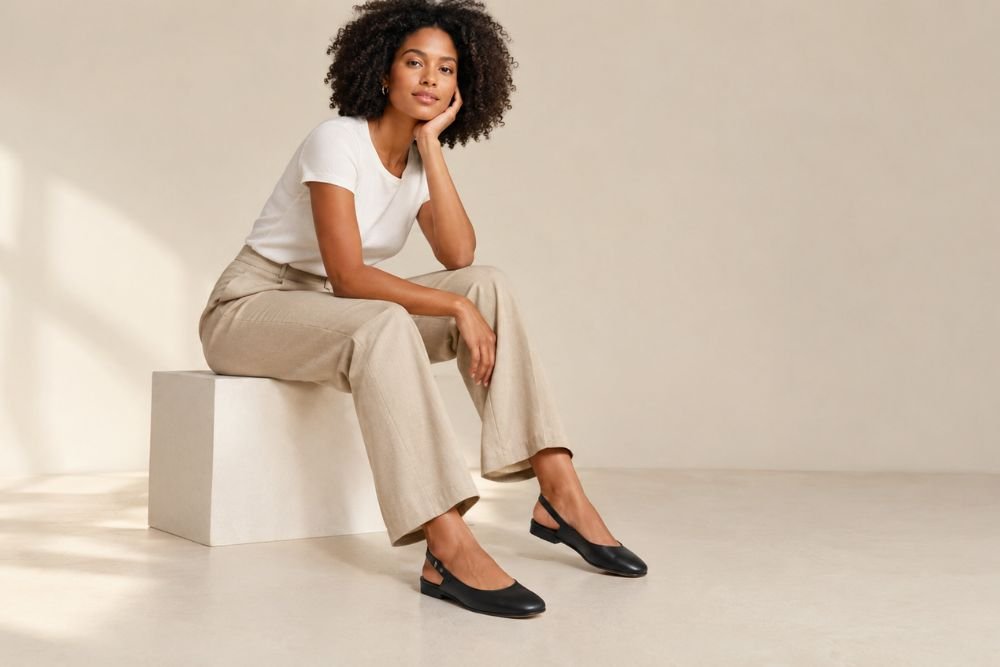
Crocs ballet flats offer a playful alternative to traditional ballet shoes, combining a streamlined, ballet-inspired shape with the brand’s lightweight molded construction. The Crocs Classic Ballet is worth considering if you want an easy-care casual shoe that can work with jeans, dresses, and everyday outfits, but fit, heel security, and walking comfort deserve careful consideration before you buy.
Unlike a conventional leather ballet flat, this design has a pivotable heel strap and openings for Jibbitz charms. Those details make it more customizable, but they also mean you should evaluate it as its own style of footwear rather than assume it fits or feels like every other ballet flat.
Instant Verdict: Are Crocs Ballet Flats Worth It?
The Classic Ballet is a compelling option for casual dressing if you like the look, prefer lightweight footwear, and find a secure fit in the available sizes. Its strongest selling points are its distinctive silhouette, easy-on design, and convertible strap.
However, it is not automatically the best choice for every foot or occasion. Customer reviews indicate that sizing experiences vary, and some wearers report slipping, rubbing, or insufficient support for their needs.
| What matters | Editorial verdict |
| Everyday comfort | Promising, provided the shape fits your foot |
| Sizing | Check carefully; experiences vary |
| Wide feet | Worth trying, but not guaranteed to fit |
| Styling versatility | Strong for casual and relaxed outfits |
| Cleaning | Convenient molded construction; follow manufacturer guidance |
| Long-distance walking | Test your fit and support needs before relying on them |
| Overall value | Best for people who will wear them regularly |
Crocs’ US product page currently lists the Classic Ballet at $44.99 before any applicable promotion, although price and availability can change. Its product page also displays customer feedback that can help you weigh the potential benefits against the drawbacks.
What Are Crocs Ballet Flats?
Crocs Classic Ballet flats reinterpret the familiar ballet-flat silhouette using the brand’s molded footwear construction. The design includes a rounded, ballet-inspired shape, a pivotable heel strap, and openings that accommodate Jibbitz charms.
The result sits between a traditional ballet flat and a casual molded shoe. It offers a different visual effect from leather or fabric flats, making it particularly interesting for everyday outfits that benefit from a little contrast.
What Makes the Crocs Classic Ballet Different?
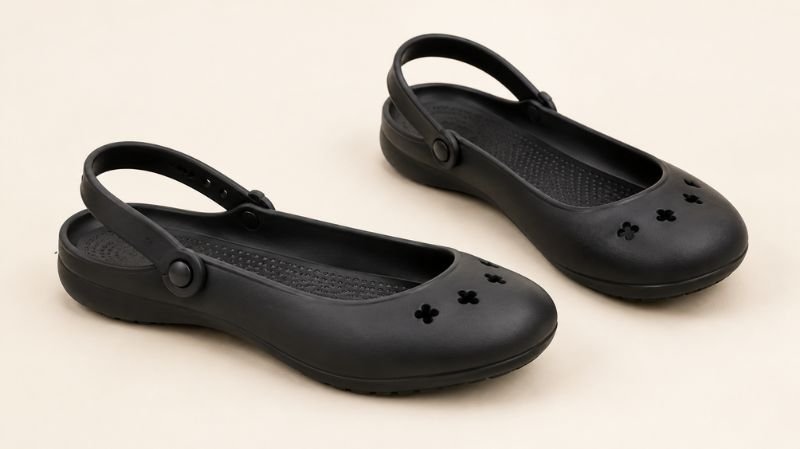
The defining feature is the combination of a flatter silhouette and a movable strap. Depending on how the strap is positioned, the shoe can take on a more conventional ballet-flat appearance or a Mary Jane-inspired look.
The openings for Jibbitz charms also give the design a customizable element. Charms are sold separately, so factor that into your budget if personalization is part of the appeal.
The Classic Ballet is not interchangeable with every shoe marketed as Crocs ballet flats. Different styles and older versions can have different constructions, so make sure the listing, photos, and model name match the pair you intend to purchase.
Are Crocs Ballet Flats Different From Traditional Ballet Flats?
Yes. Traditional ballet flats commonly use materials such as leather, suede, textile, or synthetic uppers, with construction and cushioning that vary by brand. The Classic Ballet uses a molded approach and a pivotable strap, giving it a more casual, playful identity.
That distinction affects styling as much as comfort. A leather flat may look more conventional with tailored workwear, while a molded Crocs flat can add an unexpected element to denim, simple dresses, or relaxed separates.
Neither type is universally better. The right choice depends on how the shoe fits, how you plan to wear it, and whether its appearance suits your wardrobe.
Crocs Ballet Flats Fit Review: Do They Run True to Size?

Sizing is one of the most important things to investigate before ordering Crocs Classic Ballet flats. The available customer feedback does not support a universal rule that everyone should size down—or that everyone should order their usual size.
On the US Crocs product page, 54% of respondents reported a true-to-size fit, 32% said the shoes felt large, and 14% said they felt small. The same page shows that 69% described the width as true to size, 21% felt the shoes were wide, and 10% felt they were narrow. These figures are a useful snapshot of customer experience, not a guarantee of how a particular pair will fit you.
Should You Size Down in Crocs Ballet Flats?
Start with the official size chart and your measured foot length rather than automatically sizing down because of online recommendations.
A smaller size may feel more secure for some wearers, but it can also reduce toe room or place pressure on the sides of the foot. A shoe that feels snug in the bedroom can become uncomfortable after walking, especially if the toes are crowded or the strap rubs.
If you are between sizes, check the model-specific sizing guidance and buy from a retailer with a suitable return policy where possible. When comparing sizes, assess both the length and the way your foot sits within the shoe.
Are Crocs Ballet Flats Good for Wide Feet?
They may work for some people with wider feet, but the answer depends on more than overall width. Toe shape, foot volume, heel shape, and the position of the strap all influence how a flat feels.
Customer reviews illustrate this variation. Some wearers appreciate the room available around the forefoot, while others report that their feet slip inside the shoe or that the toe area feels too narrow. Crocs customer reviews provide examples of both positive and negative fit experiences.
If you have wide feet, check whether your foot sits comfortably within the sole without spilling over its edges. Do not size down just to stop heel movement if doing so compresses your toes.
How Should Crocs Ballet Flats Fit?
Use this practical checklist when trying them on:
- Toe room: Your toes should not press painfully against the front or sides.
- Heel security: Your foot should not repeatedly slide out during ordinary walking.
- Strap comfort: The strap should not dig into the heel, instep, or top of the foot.
- Sole contact: Your foot should sit securely within the base rather than overhanging the edges.
- Movement: Walk indoors for several minutes and check for rubbing, pinching, or excessive movement.
Try the shoes with the type of socks—or without socks—that you expect to wear most often. A comfortable fit should not depend on tolerating persistent pressure or painful friction.
Are Crocs Ballet Flats Comfortable for All-Day Wear?
Comfort is one of the main reasons shoppers consider Crocs ballet flats, but it is also the area where personal fit matters most. The lightweight molded construction may appeal to people who dislike heavier shoes, yet it does not guarantee that the shoe will remain comfortable through a full day of walking or standing.
Crocs describes the Classic Ballet as lightweight and flexible. Its customer feedback includes positive comments about comfort, but also reports of blisters, fit problems, and limited arch support. Those mixed experiences make a cautious, individual fit assessment more useful than a blanket comfort claim.
Cushioning, Flexibility, and Underfoot Feel
The molded construction gives the shoe a different feel from a traditional leather flat. It is designed around a lightweight, flexible approach rather than the layered construction found in some structured footwear.
However, flexibility and cushioning are not the same as support. If you are accustomed to shoes with a pronounced footbed, a more structured sole, or a particular level of arch support, the Classic Ballet may feel different.
Pay attention to pressure beneath the ball of the foot, the heel, and the arch. A shoe can feel soft initially yet become uncomfortable if its shape does not suit your foot.
Do Crocs Ballet Flats Cause Blisters?
They can cause rubbing for some wearers, although individual experiences vary. Crocs’ product-page feedback includes blister complaints, which is a reason to assess the heel, strap, and toe area rather than assume the material will prevent friction.
For your first few wears, start with a short outing rather than a full day on your feet. Check for hot spots before they become painful, and stop wearing the shoes if you develop persistent rubbing, numbness, or pressure.
Do not try to solve a poor fit by repeatedly wearing a shoe that hurts. If the heel slips or the toe box pinches, a different size or a different style may be the better option.
Are Crocs Ballet Flats Good for Walking?

For short errands, casual outings, and everyday activities, they may be a practical option if they stay securely on your feet. Their lightweight design and easy-on construction suit situations where convenience matters.
Long sightseeing days are a different proposition. Extended walking calls for a shoe that fits securely and offers the support, cushioning, traction, and stability appropriate for the route and your needs.
If you plan to travel in Crocs ballet flats, test them on progressively longer walks before your trip. For uneven terrain, long days on hard surfaces, or activities that require more foot protection, a purpose-designed walking shoe may be a better choice.
Do Crocs Ballet Flats Have Arch Support?
Do not assume that a comfortable molded shoe provides the level of arch support you need. Customer opinions on the Classic Ballet differ, and the product’s general comfort claims do not establish that it is suitable for every foot or support requirement.
If arch support is important to you, evaluate the shoe while standing and walking. Anyone who needs specific footwear support should prioritize a suitable fit and, where appropriate, professional advice rather than relying on a fashion review alone.
Pros and Cons of Crocs Ballet Flats
The appeal of the Classic Ballet comes from its combination of convenience and a distinctive silhouette. Its drawbacks are mainly about fit variability and whether the shoe’s casual construction meets your expectations.
What I Like About Crocs Ballet Flats
Lightweight construction: The design may appeal to people who prefer a lighter shoe for everyday wear.
A versatile strap: The pivotable strap gives you another way to wear the shoe and creates a Mary Jane-inspired variation.
Personalization: Jibbitz compatibility allows you to add a decorative detail or keep the shoe simple.
Casual styling potential: The molded shape works particularly well with outfits that mix polished pieces with relaxed accessories.
Easy-care appeal: The molded construction is convenient for routine cleaning when cared for according to the manufacturer’s instructions.
What Could Be Better?
Sizing is not consistent for everyone: Customer feedback includes reports of both oversized and smaller-feeling fits.
Heel security can be an issue: If the shoe does not match your heel shape, it may move excessively during walking.
Friction is possible: Some wearers report blisters or pressure around the shoe’s edges.
Support may not meet every need: A lightweight casual flat is not automatically suitable for extended standing or long-distance walking.
The appearance is distinctive: The molded material gives the shoe a more casual look than many traditional ballet flats, which may not suit every dress code.
Who Should Buy Crocs Ballet Flats?
They are worth considering if you like the ballet-flat shape but want something more playful, easy to personalize, and convenient for casual wear. They may also appeal to shoppers who enjoy styling unexpected footwear with otherwise classic clothes.
You may want to choose another style if you need a highly structured walking shoe, cannot achieve a secure fit in the available sizes, or prefer the texture and finish of traditional leather ballet flats.
How to Style Crocs Ballet Flats: 7 Wearable Outfit Ideas
The easiest way to style Crocs ballet flats is to treat them as a deliberate part of the outfit rather than trying to make them resemble a conventional leather shoe. Their molded appearance can create an interesting contrast with denim, tailored pieces, soft fabrics, and feminine silhouettes.
1. With Straight-Leg Jeans and a White T-Shirt

Straight-leg jeans and a white T-shirt provide a simple foundation for black or neutral Crocs ballet flats. A cropped hem or a small turn-up helps reveal the shoe rather than allowing the denim to bunch around it.
Add a leather belt, a structured shoulder bag, and understated jewelry if you want the outfit to feel more polished. The contrast between familiar wardrobe staples and the molded footwear makes the shoes look intentional.
2. With a Midi Skirt and a Fitted Top

A midi skirt creates a softer silhouette that works well with the rounded shape of ballet-inspired footwear. Try a cotton poplin skirt, a simple knit top, and flats in a coordinating neutral.
For a balanced proportion, choose a top that sits close to the body or tuck it in. If the skirt is voluminous, keep the accessories relatively streamlined so the outfit does not feel visually crowded.
3. With a Casual Sundress
A simple sundress is an easy way to wear ballet flats in warm weather. Cotton, linen, and other relaxed fabrics help the molded shoe feel connected to the rest of the outfit.
Choose black for contrast, or try a lighter neutral if you prefer a softer effect. A small crossbody bag and simple earrings complete the look without competing with the shoe’s unusual shape.
4. With Tailored Ankle Trousers

For a smart-casual outfit, combine ankle-length trousers with a tucked-in shirt, a fine-knit top, or a lightweight blazer. The tailoring provides structure, while the flats keep the outfit relaxed.
This combination works best when the trousers end high enough to show the shoe clearly. For a formal workplace, check the dress code first: the molded material may read as too casual in more conservative environments.
5. With Denim Shorts and an Oversized Shirt
For weekends, pair denim shorts with an oversized button-down shirt or a relaxed cotton top. This creates a casual look that does not require elaborate styling.
Black flats provide a grounded finish, while a lighter or brighter pair can become the focal point. Keep the rest of the outfit simple if you plan to decorate the shoes with Jibbitz charms.
6. With Monochrome Separates
Wearing similar tones from head to toe can make a distinctive shoe feel more integrated into an outfit. Try black flats with black trousers and a black knit, or pair a light-colored version with cream separates.
Vary the textures to avoid a flat result. Denim, ribbed knits, cotton, and structured bags can add interest without introducing too many competing colors.
7. With Cropped Pants and the Convertible Strap
One of the defining styling details of the Classic Ballet is its pivotable heel strap. When positioned as intended by the manufacturer, the strap can create a Mary Jane-inspired look.
Show the strap with cropped trousers, ankle-length jeans, or a skirt that leaves the shoe visible. Keep the rest of the outfit relatively simple to let the different shoe silhouette stand out.
How to Choose the Best Color
| Color direction | Best styling approach |
| Black | Jeans, tailored trousers, monochrome outfits |
| Chalk or another light neutral | Sundresses, cream separates, light denim |
| Blush or a soft color | Tonal outfits, floral prints, feminine silhouettes |
| Patterned or animal-print variations | Solid colors and understated accessories |
Check the available color names and current stock before purchasing, as the selection can change. These styling suggestions are editorial recommendations, not claims that every combination is a current runway trend.
How to Clean and Care for Crocs Ballet Flats
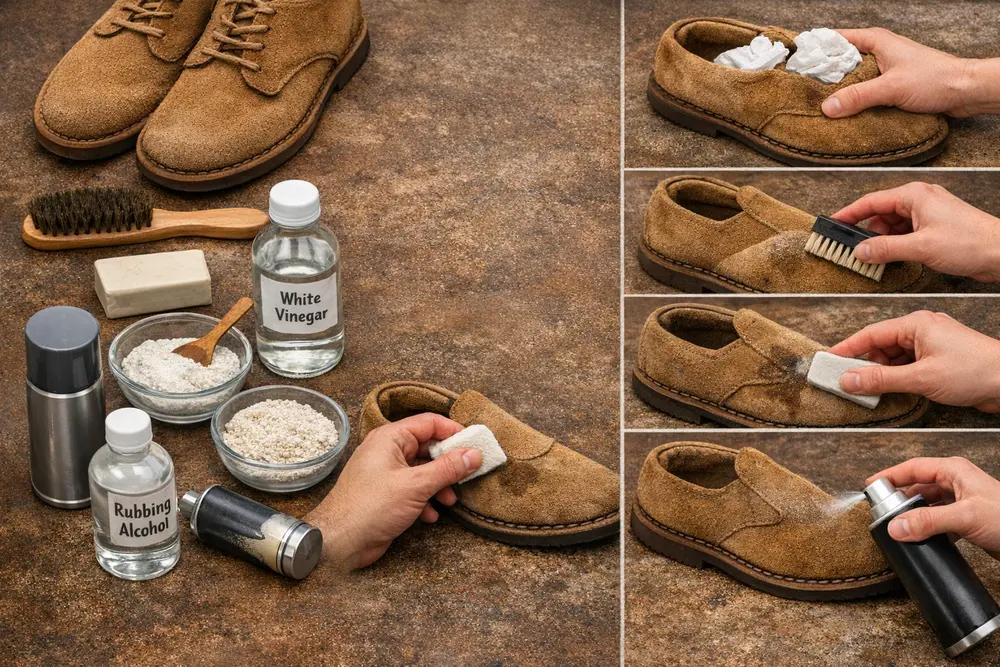
A practical advantage of molded footwear is that it can be simpler to clean than some delicate leather or fabric flats. However, care instructions should match the actual material and product rather than assume that every shoe sold by Crocs can be treated the same way.
How to Clean Crocs Ballet Flats
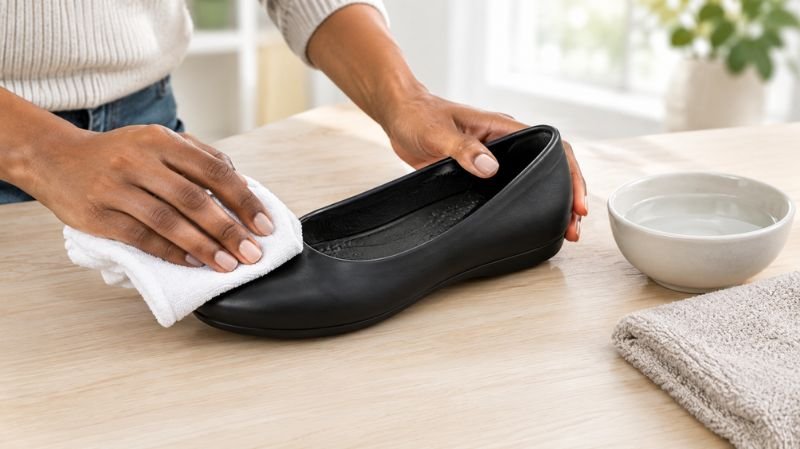
- Remove loose dirt with a soft cloth or brush.
- Use mild soap and cool water for routine cleaning, unless the current product instructions specify otherwise.
- Wipe away soap residue with a clean, damp cloth.
- Let the shoes air-dry away from direct heat.
Avoid using aggressive solvents or placing the shoes near a heater. Excessive heat can deform molded footwear, so follow the current manufacturer guidance if the product label provides more specific instructions.
How to Store Crocs Ballet Flats
Store them in a cool, dry place away from direct sunlight and heat sources. Avoid leaving them in a hot car or in a position that could distort the shape.
If you use Jibbitz charms, remove them before cleaning when appropriate and make sure the shoes are dry before storing them.
Can You Wear Crocs Ballet Flats in the Rain?
Their molded construction may be convenient in damp conditions, but do not treat that as proof that they are safe on every wet surface. Water resistance, grip, and stability are different properties.
Use caution on polished floors, wet steps, and slippery pavement. If the weather or route calls for dependable traction and foot protection, choose footwear designed for those conditions.
Crocs Ballet Flats vs. Traditional Ballet Flats
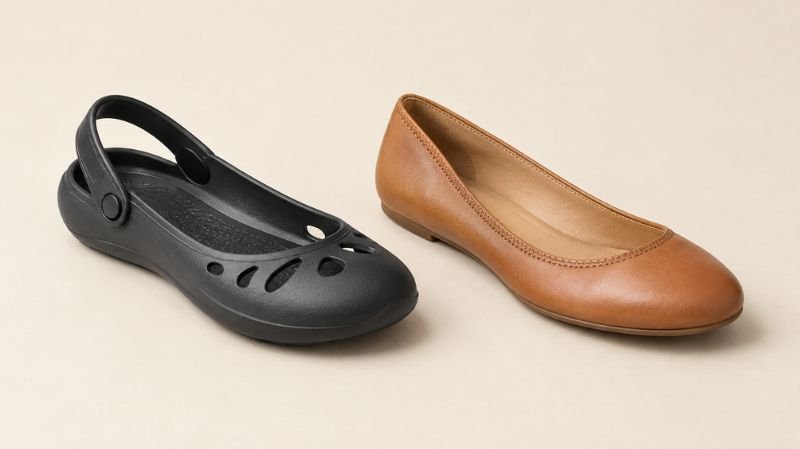
The best comparison is not simply which shoe is more comfortable. It is which construction fits your feet, suits your wardrobe, and works for the activities you actually do.
| Feature | Crocs Classic Ballet | Traditional ballet flats |
| Construction | Molded footwear design | Varies by material and brand |
| Visual character | Casual, playful, distinctive | Ranges from casual to refined |
| Strap | Pivotable heel strap | Depends on the style |
| Personalization | Jibbitz-compatible design | Depends on the shoe |
| Fit | Check length, width, and heel security | Varies considerably by brand and shape |
| Care | Follow molded-material care instructions | Depends on leather, suede, textile, or synthetic material |
| Best use | Casual outfits and everyday convenience when the fit works | Broad range of occasions depending on construction |
Which Is More Comfortable?
Neither category wins for every wearer. A traditional ballet flat with a poorly shaped toe box can be uncomfortable, while a Crocs flat that slips at the heel can be equally frustrating.
Focus on the shoe’s actual fit, pressure points, and stability. If you are buying online, read reviews that describe foot shape and sizing, not just whether the reviewer liked the appearance.
Which Looks More Polished?
Leather or suede ballet flats often create a more conventional finish with tailored clothing. Crocs ballet flats have a more casual, molded appearance, which can look effective when paired with relaxed fabrics or used as a deliberate contrast.
For a smart-casual outfit, the condition of the shoe and the rest of the styling matter. For formal events or conservative workplaces, a more traditional flat may be easier to coordinate.
Which Offers Better Everyday Value?
Value depends on how often you wear the shoes, how well they fit, and whether they work with multiple outfits. A lower purchase price is not a good deal if the shoes remain uncomfortable or spend most of their time in the closet.
Consider cost per wear, the versatility of your chosen color, and the likelihood that you will use them regularly. Compare current prices rather than relying on an old review’s listed price.
Final Verdict
Crocs Classic Ballet flats offer a distinctive take on the ballet-flat trend, combining a molded silhouette with a pivotable strap and room for personal expression. Their appeal is strongest for casual outfits, everyday convenience, and shoppers who want something different from conventional leather or fabric flats.
The biggest caveat is fit. Customer experiences range from very comfortable to frustratingly loose or uncomfortable, so the best decision comes from checking the size guidance, testing heel security, and paying attention to pressure around the toes and strap.
If the design suits your wardrobe and the fit works for your feet, ballet flats Crocs can be a versatile addition to casual dressing. If you need more structured support or a refined formal shoe, a traditional ballet flat or purpose-designed walking shoe may serve you better.
Ready to decide? Check the official Crocs Classic Ballet page for current colors, sizing, price, and availability before ordering. For more wearable footwear inspiration, styling guides, and practical fashion advice.
FAQs
1. Do Crocs ballet flats run big?
Customer feedback is mixed. On the US Classic Ballet product page, more respondents report a true-to-size fit than either a large or small fit, but a substantial minority report otherwise. Use the current size chart and assess the shoe’s actual fit rather than assuming it runs big.
2. Should I size down in Crocs ballet flats?
Not automatically. Sizing down may improve security for some wearers, but it can also crowd the toes or create pressure. Start with the manufacturer’s sizing guidance and prioritize comfortable toe room and a secure heel.
3. Are Crocs ballet flats comfortable for walking?
They may work well for short, casual outings if they fit securely. For long walks or full days of sightseeing, test them first and consider whether you need more structured support, stability, or traction.
4. Do Crocs ballet flats cause blisters?
Some customers report blisters, while others find the shoes comfortable. Friction can occur if the heel, toe area, or strap does not suit your foot. Start with short wears and stop if persistent rubbing develops.
5. Are Crocs ballet flats good for wide feet?
They can suit some wider feet, but not everyone. Check for toe pressure, foot overhang, and heel slippage rather than relying on width labels alone. A larger size is not always the solution if the shoe’s shape is wrong for your foot.
6. Do Crocs ballet flats have arch support?
Support experiences vary, and the Classic Ballet should not be assumed to provide the level of arch support everyone needs. If structured support is important to you, assess the shoe in person where possible and prioritize your specific comfort requirements.
7. Can you wear Crocs ballet flats all day?
That depends on fit, walking distance, and personal support needs. Try them on shorter outings before relying on them for a full day. Persistent rubbing, numbness, or discomfort is a reason to stop wearing them.
8. Are Crocs ballet flats waterproof?
Do not assume that the shoe’s molded construction guarantees complete waterproof performance or safe traction on wet surfaces. Check the manufacturer’s current product information and use caution in slippery conditions.
9. How do you clean Crocs ballet flats?
For routine cleaning, use a soft cloth, mild soap, and cool water if consistent with the product’s instructions. Let them air-dry away from direct heat, which can deform molded footwear.
10. Are Crocs ballet flats worth the price?
They may be worth it if you like the design, achieve a secure fit, and expect to wear them regularly. If you need substantial support, a formal finish, or a very specific fit, compare alternatives before purchasing.