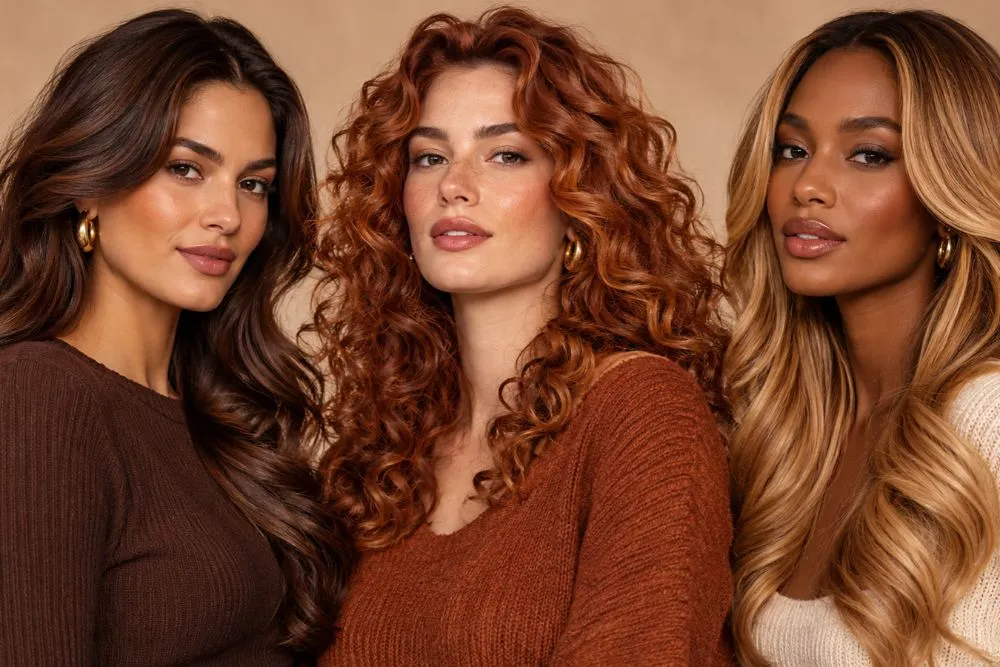
Fall hair color ideas are all about rich brunettes, dimensional copper, warm blondes, deep reds, and glossy shades that make hair look naturally radiant. Whether you prefer a subtle seasonal refresh or a noticeable transformation, the best fall hair color is one that complements your skin’s undertone, works with your natural hair color, and fits your maintenance routine.
From chocolate brown and cherry cola to honey blonde and cinnamon copper, these 35 fall hair color ideas offer inspiration for straight, wavy, curly, and coily hair. You’ll also find practical tips for choosing flattering shades, discussing your desired look with a colorist, and keeping your new color vibrant.
How to Choose the Best Fall Hair Color
Before choosing a shade, consider three things: your skin’s undertone, your current hair color, and how much maintenance you are comfortable with. A beautiful reference photo is helpful, but the same color formula may look different depending on your starting shade and hair history.
Choose a Shade That Complements Your Skin Undertone
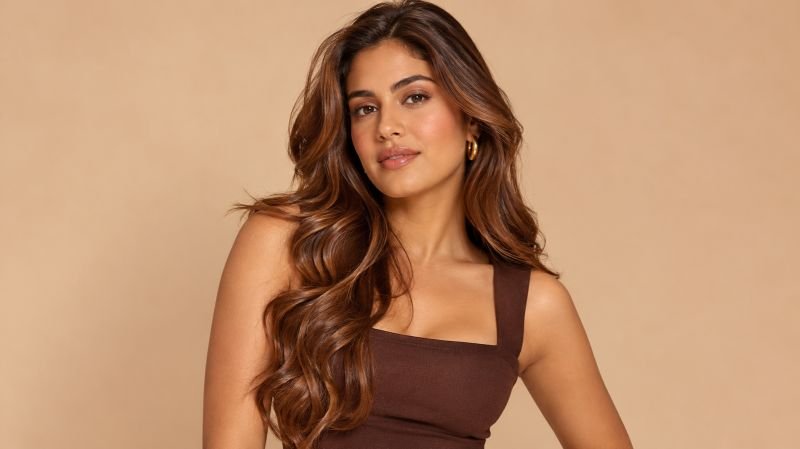
Your skin undertone can help narrow down which hair colors you might enjoy wearing. Warm, cool, and neutral undertones offer useful starting points, although they are not strict rules.
- Warm undertones: Golden brown, honey blonde, caramel, copper, and warm auburn can complement golden or peachy undertones.
- Cool undertones: Mushroom brown, ash beige, espresso, cool chocolate, and burgundy can create an appealing contrast with pink or rosy undertones.
- Neutral undertones: Chestnut, mocha, bronde, rose brown, and balanced copper offer plenty of flexibility.
Look at your overall coloring rather than relying on one test, such as the color of your wrist veins. Your natural hair color, eye color, preferred makeup, and personal style also influence how a shade looks.
Consider Your Natural Hair Color
Your starting color affects both the final result and the amount of chemical processing required.
Natural brunettes can often explore chocolate, espresso, chestnut, auburn, and cherry cola without dramatically lightening their hair. Blondes have more flexibility with honey, beige, strawberry, and copper shades, while darker hair may require professional lightening to achieve brighter highlights.
If your hair has previous permanent dye, bleach, or henna, tell your colorist before making a change. Previously colored hair does not always respond like virgin hair, and applying a lighter dye over darker permanent color will not reliably create a lighter result.
Think About Maintenance Before Committing
Some hair colors require more frequent refreshing than others.
Deep brunette shades close to your natural color and softly blended balayage can be easier to grow out. Copper, vibrant red, and certain fashion shades may need more attention because their visible intensity can fade between appointments.
Choose a color that suits your everyday routine, not just how it looks on the day you leave the salon.
35 Fall Hair Color Ideas for Every Hair Type and Skin Tone
These fall hair colors range from understated brunette updates to bold red and dimensional blonde transformations. Each look offers a different way to bring seasonal richness, warmth, or contrast into your hairstyle.
Rich Brunette Fall Hair Color Ideas
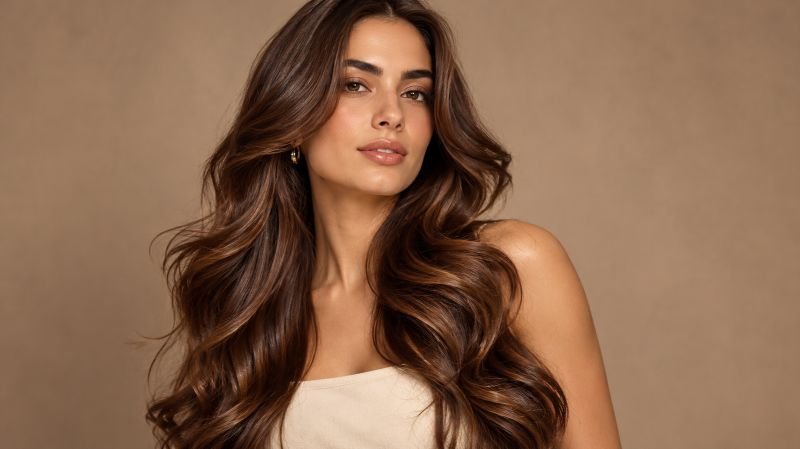
Brunette shades are a beautiful starting point for a seasonal refresh. Rather than choosing a flat, uniform brown, consider subtle variations in depth, warmth, and shine to make your hair look more dimensional.
1. Chocolate Brown Hair
Chocolate brown is a timeless choice for anyone who loves rich, glossy brunette hair. Its balanced brown depth can be customized with warmer cocoa or cooler mocha undertones.
It works particularly well on naturally brown hair when you want a noticeable improvement in richness without a dramatic color change. Ask your colorist for a dimensional chocolate brunette with a reflective gloss rather than a flat, overly dark finish.
2. Espresso Brunette
Espresso brunette brings deep, coffee-inspired richness to your hair. It ranges from neutral dark brown to almost-black brunette, depending on the desired intensity.
This shade is especially appealing if your natural hair is already dark. A demi-permanent gloss may be an option for enhancing tone and shine without significantly lightening the base.
For extra polish, wear your hair in a smooth blowout or loose waves that allow light to reflect across the lengths.
3. Chestnut Brown
Chestnut brown combines medium-to-deep brown with subtle reddish or golden warmth. It creates a softer alternative to very dark brunette shades while maintaining plenty of depth.
This versatile option can work beautifully on straight, wavy, and curly hair. Ask for delicate warm undertones rather than prominent red highlights if you prefer a more natural-looking result.
4. Toffee Brown
Toffee brown features a warm brown base with golden, caramel-like dimension. It is a lovely option when you want your brunette hair to look brighter without becoming blonde.
The shade looks particularly attractive through the mid-lengths and ends, where soft highlights can create movement. It pairs well with layered haircuts, curtain bangs, and loose waves.
5. Mocha Brown Balayage
Mocha brown balayage combines a deep brunette base with softly painted, lighter brown sections. The result is dimensional without relying on strong blonde contrast.
This is a practical option for brunettes who want visual interest while keeping their roots relatively natural. The placement can be customized around the face, through the ends, or across the entire hairstyle.
6. Cherry Cola Brunette
Cherry cola hair blends deep brunette with red, burgundy, or subtle violet undertones. Its richness becomes especially noticeable in natural sunlight and under brighter indoor lighting.
It is an excellent choice if you want something bolder than chocolate brown but less vivid than bright copper. Ask your colorist to adjust the red-violet intensity according to your base color and how visible you want the red to appear.
7. Dark Walnut Brown
Dark walnut brown has a deep brown base with subtle neutral or slightly warm dimensions. It offers a refined alternative to solid black or very cool espresso.
This shade is ideal for anyone who prefers understated hair color. A soft gloss can help maintain its reflective appearance, while long layers or textured curls show off the natural depth.
Beautiful Blonde and Bronde Fall Hair Colors
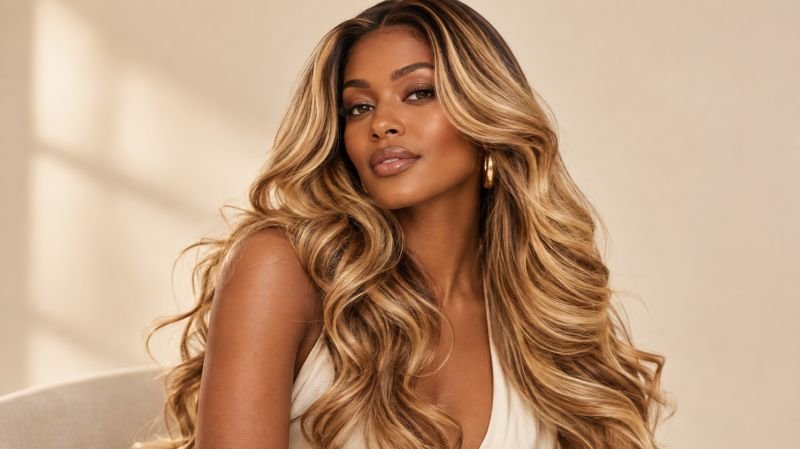
You do not have to abandon blonde hair when the seasons change. Creamier, warmer, and more dimensional blonde shades can create a softer seasonal appearance while retaining plenty of brightness.
8. Honey Blonde
Honey blonde features golden undertones that give hair a warm, sunlit appearance. It can be customized from light honey to deeper golden blonde, depending on your existing color.
It is a lovely option for people who want warmth without moving into copper or red. If your roots are naturally darker, a blended root can make the transition look more natural as your hair grows.
9. Caramel Blonde
Caramel blonde combines golden blonde with rich caramel tones for a soft, dimensional finish. It sits between traditional blonde and light brunette, making it a beautiful transitional shade.
Try it with face-framing highlights or blended ribbons throughout the lengths. This look is particularly flattering when the caramel placement follows the movement of your haircut.
10. Golden Bronde
Golden bronde blends blonde and brunette with warm golden highlights. It is a great option for anyone who wants a noticeable seasonal update without committing to a completely blonde or brunette look.
Ask for a darker root with carefully blended golden pieces through the mid-lengths and ends. The result can look especially beautiful on long layers and naturally wavy hair.
11. Beige Blonde
Beige blonde sits between warm golden blonde and cool ash blonde. Its balanced appearance makes it a useful option for people who find very yellow or very icy blonde too strong.
A combination of neutral highlights and a beige toner can help create this softer finish. Discuss the amount of lightening needed before choosing the shade, especially if your hair is naturally dark.
12. Maple Blonde
Maple blonde combines creamy blonde with muted golden and amber tones. It has more seasonal warmth than a traditional cool blonde but does not need to look orange or copper.
This shade works beautifully as a subtle refresh for existing blonde highlights. Adding a slightly deeper root can create a more blended appearance and reduce the visual contrast of new growth.
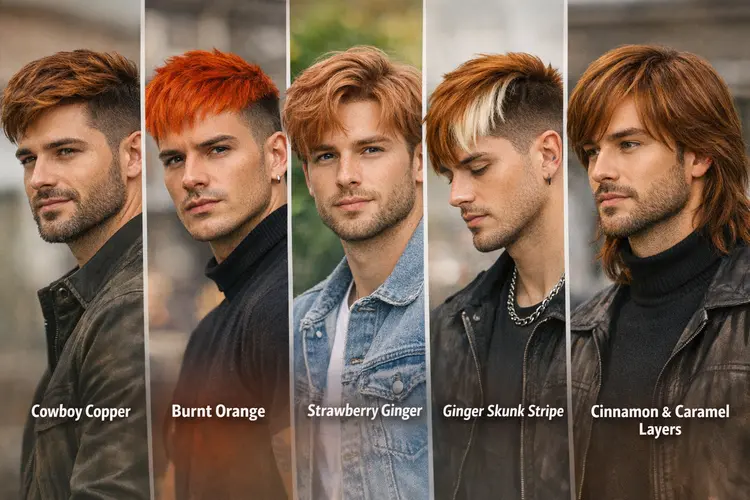
13. Strawberry Blonde
Strawberry blonde combines blonde with delicate copper, peach, or rosy undertones. It is a softer introduction to red hair for people who do not want a fully copper transformation.
The final result can range from barely noticeable warmth to a distinctly strawberry shade. Ask your colorist to customize the red intensity so it works with your natural base and desired level of contrast.
14. Creamy Butter Blonde
Creamy butter blonde is a warm, soft blonde with a smooth, creamy appearance. It is brighter than many caramel shades but less icy than platinum.
The key is balancing golden warmth with enough neutral dimension to avoid an overly yellow finish. It can look beautiful with soft waves, layered cuts, and a blended root.
Warm Red, Copper, and Auburn Fall Hair Colors
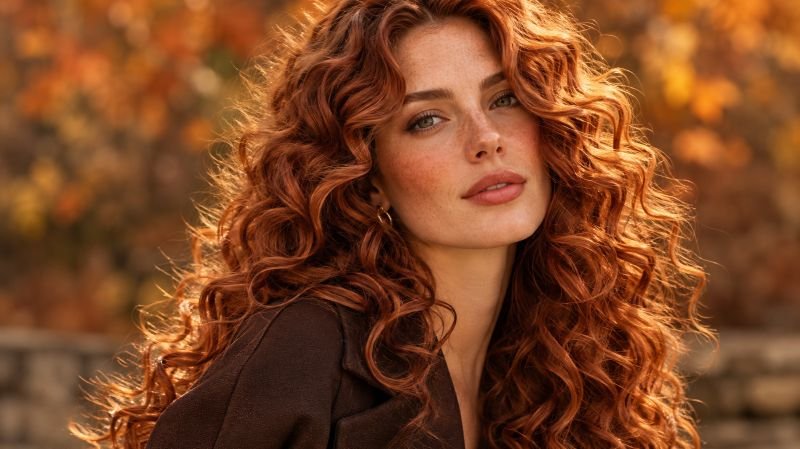
Red-inspired shades are among the most recognizable seasonal choices. From subtle auburn to vibrant copper, the right version can add warmth and personality without requiring the same intensity for everyone.
15. Cowboy Copper
Cowboy copper combines copper warmth with brown or auburn depth. Unlike a bright orange copper, this shade has a grounded appearance that makes it easier to customize for different natural hair colors.
Blondes can explore lighter copper variations, while brunettes may prefer a deeper copper-brown. Ask for a balance of copper and brown rather than a uniform orange-red result.
16. Cinnamon Copper
Cinnamon copper blends warm copper with reddish-brown undertones. Its spicy, earthy appearance makes it an appealing choice if you want a noticeable change that still feels wearable.
This shade can be adapted from soft cinnamon highlights to a more saturated all-over color. It looks especially striking when styled in loose curls or textured waves.
17. Classic Auburn
Auburn combines brown and red to create a rich, balanced shade. Depending on the formula, it can lean toward copper, mahogany, or a deeper red-brown.
If you are new to red hair, a natural-looking auburn is a good shade to discuss with your stylist. Keeping some brunette depth can make the transition less dramatic.
18. Deep Mahogany Red
Mahogany red blends deep brown with red and subtle violet undertones. It offers a sophisticated alternative to brighter copper shades.
This color is especially attractive on medium and dark bases because it creates depth without requiring a very light starting point. A glossy finish helps the red tones become more visible in different lighting.
19. Burnt Orange Copper
Burnt orange copper is a deeper, earthier version of traditional orange-red hair. Its warm appearance makes it an expressive option for anyone who enjoys bold seasonal colors.
It can be worn as a full color or introduced through copper highlights. If you have naturally dark hair, ask your colorist whether controlled lighting will be needed to achieve the desired brightness.
20. Burgundy Red
Burgundy hair features deep red tones with noticeable violet or wine-inspired undertones. It creates a dramatic look without relying on bright orange or golden warmth.
For a softer approach, choose burgundy-brown or wine brunette. For more impact, ask for a richer red-violet finish that remains visible under natural light.
21. Ginger Spice Hair
Ginger spice combines golden copper, warm red, and light auburn tones. It is brighter than classic auburn but often softer than a vivid orange copper.
This color is particularly beautiful on people who enjoy warm, expressive hair shades. Loose curls and layered styles can make the variations in color more noticeable.
Dimensional Balayage and Highlight Fall Hair Color Ideas
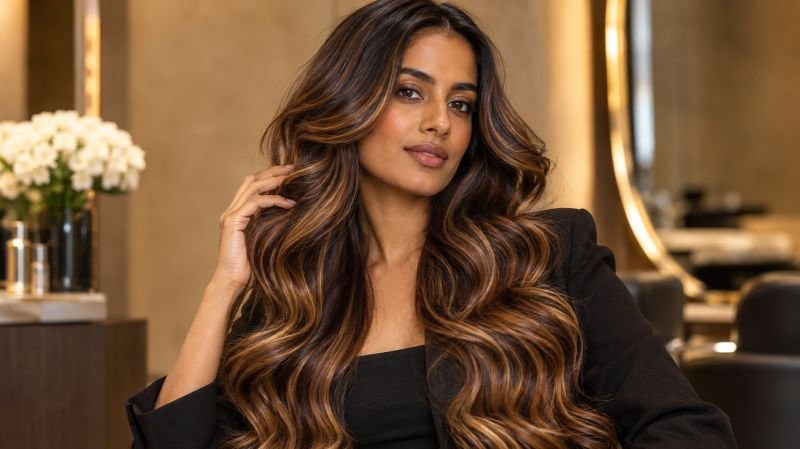
If you prefer a natural-looking transformation, dimensional color techniques can add brightness without changing your entire base. Balayage, highlights, lowlights, and face-framing placement can all be customized according to your hair’s starting color.
22. Caramel Balayage
Caramel balayage combines a brunette base with softly painted golden-brown highlights. The gradual transition creates dimension without a harsh line between the darker roots and lighter ends.
It is a strong choice for brunettes who want a seasonal refresh without frequent full-root coloring. Ask for a caramel shade that is only as light as your hair can comfortably achieve.
23. Chocolate Brown With Honey Highlights
This combination pairs deep chocolate brown with delicate honey-colored ribbons. The contrast adds warmth and movement while keeping the overall hairstyle brunette.
It works particularly well on long layers, curls, and waves because the lighter pieces become visible as the hair moves. Keep the highlights fine if you prefer a subtle finish.
24. Cinnamon Brown Balayage
Cinnamon brown balayage adds reddish-brown and copper warmth to a deeper brunette base. It is an excellent option if you like red-inspired hair but want something more understated than a full copper transformation.
Ask your stylist to concentrate the cinnamon tones through the mid-lengths and ends. This creates dimension while preserving depth near the roots.
25. Mushroom Brown Balayage
Mushroom brown balayage features muted taupe, beige, and cool brown tones. It creates a sophisticated, understated finish for people who prefer cooler hair colors.
This shade can be especially useful when you want to move away from overly warm highlights. The exact formula should be adjusted to your natural base so the final result does not become dull or overly ashy.
26. Golden Brown Highlights
Golden brown highlights introduce subtle warmth into a natural or colored brunette base. They brighten the overall appearance without creating a dramatic blonde transformation.
This look is ideal for people who want their hair to appear more dimensional in sunlight. Fine highlights around the crown and face can create a naturally blended effect.
27. Reverse Balayage Brunette
Reverse balayage adds darker pieces to lighter or heavily highlighted hair. Instead of making the entire hairstyle darker, it restores depth through carefully placed lowlights.
This technique is useful if your summer blonde has become too bright or lacks dimension. Ask your colorist to retain some lighter sections around the face and ends so the final result does not look flat.
28. Face-Framing Caramel Highlights
Face-framing caramel highlights add brightness around the front of your hairstyle while keeping the rest of your color relatively natural.
They are a good option for people who want a visible change without highlighting every section. The placement can be adjusted to suit your haircut, parting, and preferred level of contrast.
Unique and Trendy Fall Hair Color Ideas
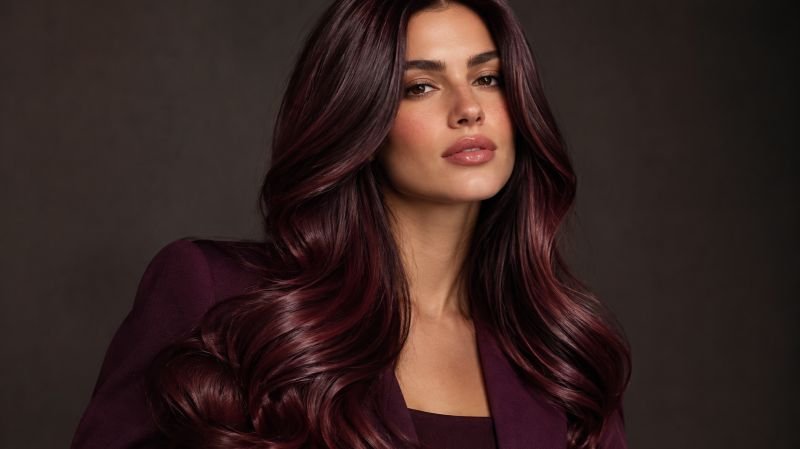
Not every seasonal look needs to be brunette, blonde, or copper. These less conventional shades offer additional ways to experiment with color while maintaining a polished appearance.
29. Plum Brown Hair
Plum brown combines deep brunette with subtle purple or berry undertones. It looks dark and understated indoors but can reveal more violet dimension in brighter lighting.
This shade is a beautiful choice if you enjoy cool-toned colors but want something more distinctive than traditional espresso. Ask for a muted plum rather than an intensely purple result if you prefer subtlety.
30. Smoky Mushroom Brown
Smoky mushroom brown blends cool brown, taupe, and muted gray-beige tones. It creates a soft, neutral appearance rather than the golden warmth associated with traditional brunette shades.
It is particularly attractive when the color has multiple tonal variations instead of looking like a single gray-brown application. A customized gloss can help maintain the intended balance.
31. Rose Brown Hair
Rose brown blends brunette depth with subtle dusty pink or rose undertones. It offers a wearable way to experiment with pink-inspired hair without choosing a bright fashion color.
The shade can be adapted for light, medium, or deep brown bases, although the visibility of the rosy tones depends on the starting color. Soft waves help reveal the different undertones.
32. Black Cherry Hair
Black cherry combines a very dark brunette with rich red and burgundy undertones. It is more dramatic than cherry cola but can remain understated when the red is kept subtle.
This look works especially well for people who enjoy dark hair and want a change that becomes more noticeable in sunlight. Ask for a deep cherry-red reflection rather than an overly bright red.
33. Cinnamon Mocha Hair
Cinnamon mocha combines cool or neutral brunette depth with warm cinnamon ribbons. The contrast makes it a useful middle ground between chocolate brown and copper-inspired hair.
It is ideal if you want your brunette to look richer without moving into a full red shade. Ask for subtle warmth through the mid-lengths and ends.
34. Golden Copper Blonde
Golden copper blonde combines golden blonde with delicate copper undertones. It creates a bright, warm finish that sits between strawberry blonde and traditional copper.
This is a particularly interesting option for existing blondes who want to experiment with warmer colors. A carefully customized toner can introduce copper warmth without necessarily creating a fully red result.
35. Glossy Jet Black Hair
Glossy jet black is a striking choice for anyone who loves deep, dramatic hair color. Its appeal comes from the contrast between the intense dark shade and the reflective finish.
Before choosing permanent black, consider how difficult it may be to lighten later. If you are unsure about the commitment, discuss a temporary or less permanent darkening option with your colorist.
How to Choose Fall Hair Colors for Your Skin Tone
There is no single hair color that works for every person with the same skin tone. Two people with similar complexions can have different undertones and natural coloring, so use these suggestions as a starting point rather than strict rules.
Best Fall Hair Colors for Fair and Pale Skin
Fair skin can look beautiful with a range of soft and rich colors. Strawberry blonde, beige blonde, light chestnut, cinnamon copper, and cool chocolate are worth considering.
If you prefer a dramatic look, deep espresso or burgundy can create noticeable contrast. For a softer appearance, choose a shade with a similar depth to your natural hair color and introduce dimension through subtle highlights.
Best Fall Hair Colors for Light and Medium Skin
Light and medium complexions offer plenty of flexibility. Honey blonde, chestnut brown, caramel balayage, golden bronde, and cinnamon brown can all create attractive seasonal looks.
If your skin has cool undertones, try neutral mocha or beige blonde. If it has golden or peachy undertones, warm chestnut and caramel may be more appealing.
Best Fall Hair Colors for Olive Skin
Olive skin can have warm, cool, or neutral undertones, so it is important not to assume that every olive complexion needs a golden hair color.
Espresso, chocolate brown, chestnut, muted copper, mushroom brown, and burgundy can all be worth exploring. Choose the warmth or coolness according to your overall coloring and the contrast you want.
Best Fall Hair Colors for Tan and Deep Skin
Rich brunette, dark cherry, mahogany, warm auburn, golden brown, and copper can all look striking on deeper complexions.
For added dimension, consider caramel or honey highlights that complement your natural base. If you prefer a more dramatic finish, burgundy or plum brown can introduce depth and color without requiring an extremely light base.
How to Identify Warm, Cool, and Neutral Undertones
A simple starting point is to compare how your skin looks in natural daylight and which colors you tend to enjoy wearing.
- Warm undertones often have golden, peachy, or yellow qualities.
- Cool undertones often have pink, rosy, or bluish qualities.
- Neutral undertones can appear balanced between warm and cool.
Your undertone does not dictate what you can wear. You can choose a contrasting hair color deliberately; the goal is to understand how the shade interacts with your complexion.
Best Fall Hair Colors for Different Hair Types and Textures
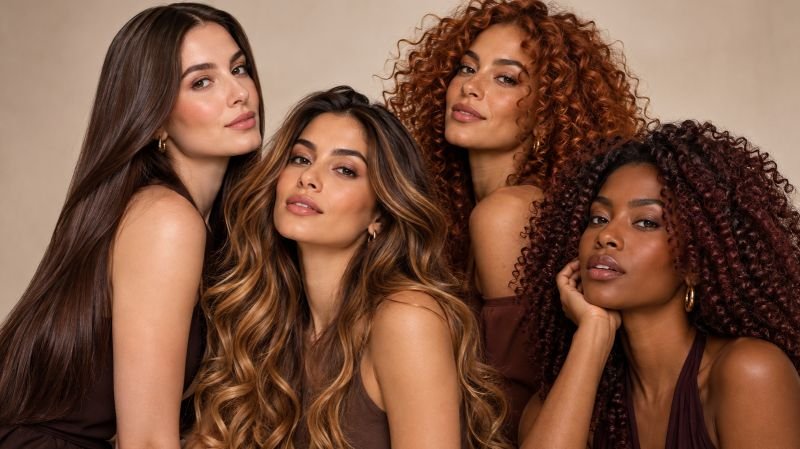
Hair texture does not determine which colors you can wear. However, the way light reflects across straight, wavy, curly, and coily hair can influence how highlights and color dimensions appear.
Fall Hair Colors for Straight Hair
Straight hair can make color transitions and highlight placement particularly visible because light reflects across smoother sections.
Espresso brunette, glossy chocolate, beige blonde, and subtle face-framing highlights are attractive options. If you want more dimension, ask for fine highlights or lowlights rather than thick, high-contrast sections.
Fall Hair Colors for Wavy Hair
Wavy hair naturally creates alternating areas of light and shadow. This makes it an excellent canvas for caramel balayage, honey bronde, cinnamon brown, and copper highlights.
Ask your stylist to consider how your waves naturally fall when placing highlights. Color that follows the movement of the hair can create a more blended finish.
Fall Hair Colors for Curly Hair
Curly hair offers beautiful opportunities for dimensional color. Chocolate brown, copper, auburn, honey highlights, and cherry cola can all enhance the shape and movement of curls.
For a subtle result, consider selective highlights around the outer curls or through the ends. Discuss your curl pattern and styling routine with your colorist so the placement works with how you actually wear your hair.
Fall Hair Colors for Coily and Natural Hair
Coily hair can look beautiful with rich, dimensional colors such as espresso, burgundy, mahogany, warm brown, and copper accents.
If you want a lighter transformation, discuss the condition of your hair before considering bleaching. Chemical processing can affect hair strength, so maintaining moisture, minimizing overlapping lighter, and choosing a realistic level of lift are important considerations.
Fall Hair Colors for Fine and Thick Hair
For fine hair, subtle tonal variation can create the appearance of dimension without overwhelming the overall look. Soft highlights around the face or a slightly deeper root can help create visual depth.
Thick hair offers more room for multiple shades and carefully placed color sections. Balayage, lowlights, and dimensional brunette combinations can make a full hairstyle appear more textured and defined.
How to Maintain Your Fall Hair Color
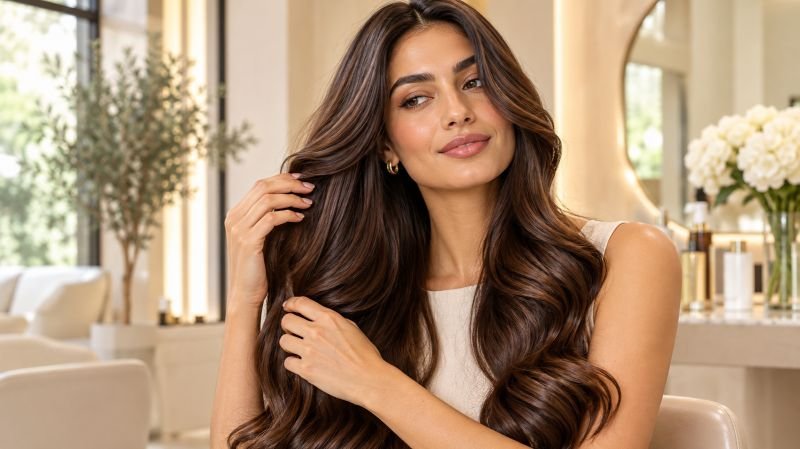
Choosing a beautiful shade is only part of the process. A consistent hair-care routine can help maintain color appearance, reduce unnecessary damage, and keep your hair looking polished between salon visits.
Use Color-Safe Shampoo and Conditioner
Choose products designed for color-treated hair and follow the recommendations of your stylist. Avoid assuming that every color-safe product is suitable for every hair type.
If your hair is dry or chemically processed, include a conditioning treatment suited to its needs.
Protect Colored Hair From Heat and Sun Exposure
Excessive heat styling and UV exposure can contribute to dryness and color fading. Use an appropriate heat protectant before styling and consider a hat when spending extended periods outdoors.
The American Academy of Dermatology also recommends protecting colored hair from the sun because exposure can leave hair weak, dry, rough, and faded.
Schedule Gloss and Root-Touch-Up Appointments
A gloss or toner may help refresh unwanted warmth or restore the appearance of your chosen shade. Root-touch-up schedules depend on your natural growth, the amount of gray coverage, and how noticeable the regrowth is.
Dimensional color with a natural-looking root can offer more flexibility between appointments than a high-contrast all-over transformation.
Keep Copper, Red, and Brunette Shades Vibrant
Red and copper shades can lose visible intensity over time, while brunette colors may develop unwanted warmth depending on the starting color and previous treatments.
Ask your stylist whether a color-depositing conditioner or mask is appropriate for your particular shade. Always follow the product instructions and choose a pigment that complements your existing color rather than layering incompatible tones.
What to Know Before Coloring Your Hair
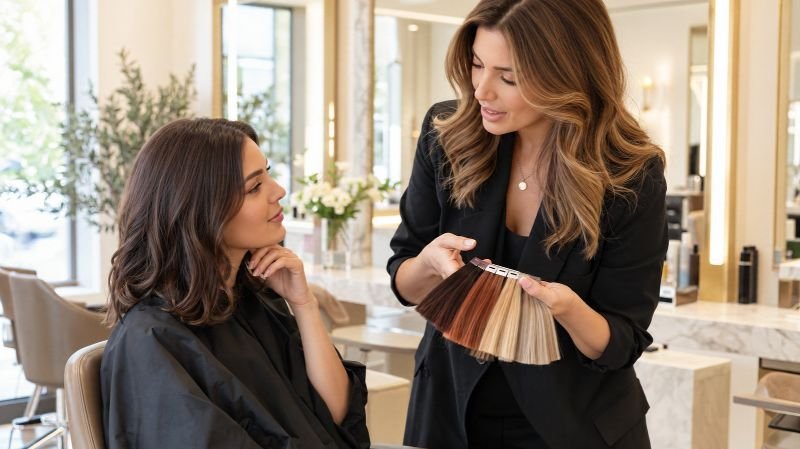
Before making a major transformation, discuss your hair history, scalp sensitivity, previous chemical treatments, and maintenance expectations with your colorist.
The American Academy of Dermatology recommends staying within three shades of your natural hair color when possible. Going significantly lighter generally requires stronger peroxide and can cause more damage.
The U.S. Food and Drug Administration advises following hair-dye instructions and performing the recommended skin test before every use. A previous reaction-free application does not guarantee that you will never develop a sensitivity.
Never use ordinary hair dye on your eyebrows or eyelashes. If you have experienced a previous allergic reaction, consult a dermatologist before trying another hair-color product.
Conclusion
The best fall hair color is not necessarily the darkest, brightest, or trendiest shade. It is the one that works with your natural coloring, enhances your hairstyle, and feels comfortable to maintain.
Whether you choose glossy espresso, dimensional chocolate brown, cinnamon copper, honey blonde, or deep cherry cola, there are plenty of ways to refresh your look this season. Take inspiration photos to your next salon appointment and discuss your starting color, desired result, and hair-care routine before choosing a formula.
Ready for a seasonal style refresh? Explore more beauty, hairstyle, and fashion inspiration on StylingMania to find fresh ideas that make your personal style feel effortless.
FAQs
1. What Is the Most Popular Fall Hair Color?
Rich brunette, espresso, copper, auburn, and dimensional bronde are among the prominent fall 2026 hair color trends. The most suitable choice depends on your natural base, preferred warmth, and maintenance routine.
2. What Hair Color Is Best for Fall?
Chocolate brown, chestnut, cinnamon copper, honey blonde, cherry cola, and caramel balayage are versatile choices for fall. You can choose a deeper shade for a noticeable seasonal change or add subtle highlights for a softer refresh.
3. Which Fall Hair Colors Look Best on Brunettes?
Brunettes can explore espresso, chocolate brown, chestnut, cherry cola, mocha balayage, and cinnamon brown. If you want to keep your natural depth, consider a gloss or subtle highlights rather than a complete color transformation.
4. What Are the Best Fall Hair Colors for Blondes?
Honey blonde, caramel blonde, beige blonde, strawberry blonde, maple blonde, and creamy butter blonde are attractive options. Adding lowlights or a slightly deeper root can create more dimension without requiring a full transition to brunette.
5. Which Fall Hair Colors Suit Warm Skin Tones?
Warm skin undertones can pair beautifully with honey blonde, golden brown, caramel, copper, and warm auburn. The best shade depends on your natural coloring and the contrast you prefer.
6. What Is the Lowest-Maintenance Fall Hair Color?
A brunette or bronde shade close to your natural hair color is often easier to maintain than a dramatic lightening or vivid red transformation. Rooted balayage and subtle lowlights can also make new growth less noticeable.
7. Do You Have to Go Darker for Fall?
No. You can refresh your hair for fall with copper accents, caramel highlights, beige blonde, strawberry blonde, or a warm gloss. A seasonal change does not have to mean going significantly darker.
8. Which Fall Hair Colors Look Best on Curly Hair?
Chocolate brown, copper, auburn, caramel balayage, and honey highlights can look beautiful on curly hair. Carefully placed highlights can emphasize curl definition and add dimension without changing the entire base color.
9. Can You Change Your Hair Color Without Bleaching It?
Yes, depending on your starting color and desired result. Darker shades, some brunette glosses, and certain red-brown colors may be achievable without bleaching, but going significantly lighter usually requires a lightening process. Previously colored hair may need a professional color assessment first.