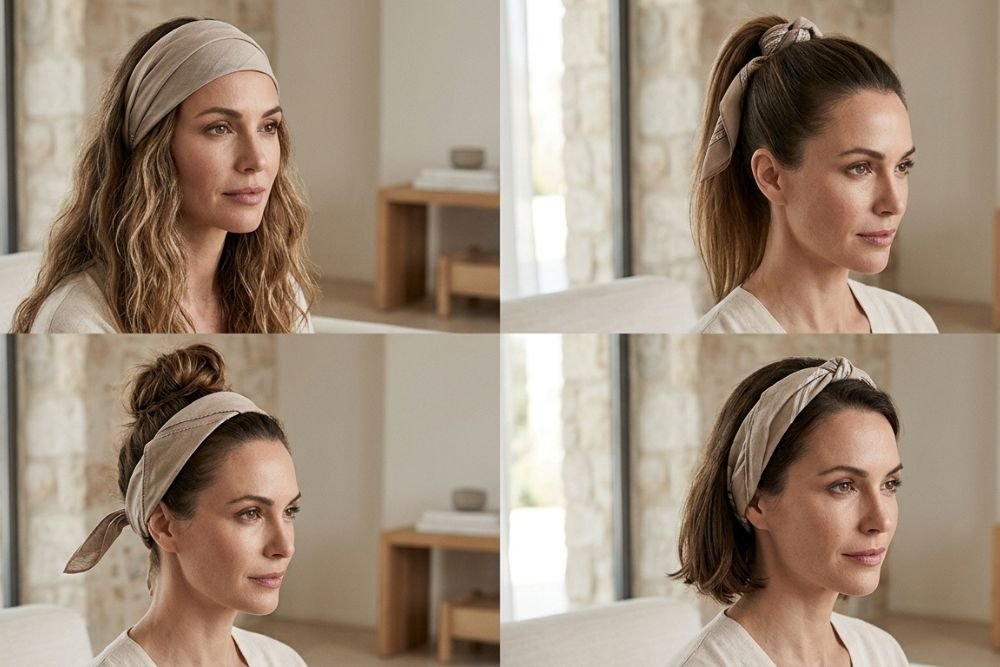
Bandanas are one of those accessories you can wear a hundred different ways and they can always change the whole look of an outfit, while also adding functionality to a hairstyle. They can be folded into a slim headband, tied round around a ponytail, wrapped across the bun or full head covering for hair. But, selecting the right number of innocent bandanas is vital improper size can leave a style watching uncomfortably jumbo or just clunky maiden or arduous to clip.
Not all bandana sizes are best suited for your perfect fit! The ideal hair depends on your hair length and texture, volume and hairstyle you desire. Become familiar with these fundamentals and it will help you pick an accessory that feels proportionate and can be worn without discomfort all day.
Understanding Bandana Sizes
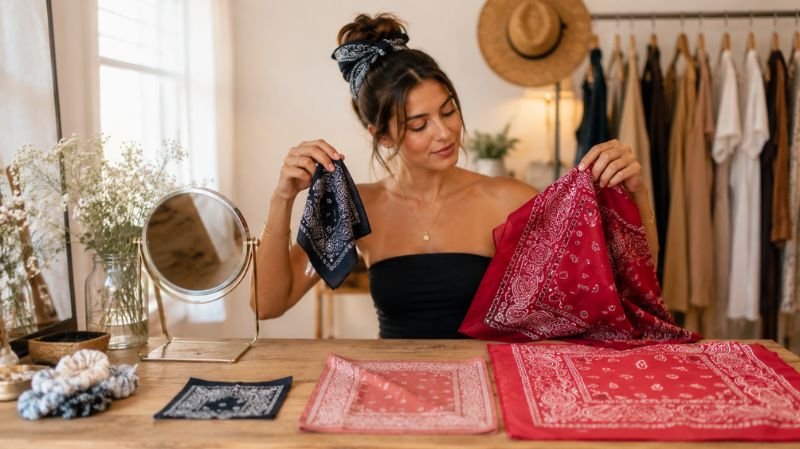
Bandanas typically come in square sizes, with some smaller than necessary for a simple accent and others larger for coverage or versatility when wrapped around the head. The measurements are important because a couple of inches can completely change the pleating of the fabric, and how much hair it can hold.
If you want something less obvious around the ponytail or as a headband, a smaller bandana should suffice. A medium square gives the versatility you need for a wide range of easy hairstyles and larger squares can be used to cover your entire head or half-head.
Size should not be a separate consideration from the fabric. Lightweight materials can fold up easily and be done a few times without bulking, but thicker cloth will need no more than 1 or 2 folds. How a bandana drapes around the shoulders and holds a knot, therefore, could be as important as its measurements.
How to Wear a Bandana with Short Hair external image
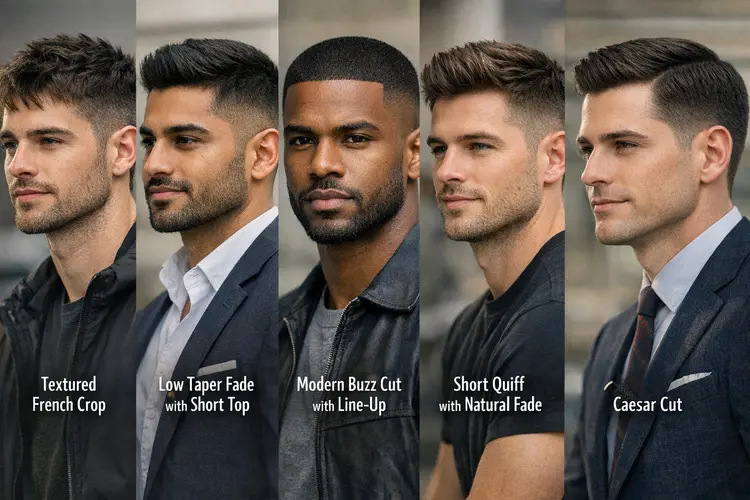
Short hairstyles often need less fabric since there is less hair to hide or hold down. Law 3: Such as pixie cuts, short bobs and cropped hairstyles you can prefer to a small or medium size bandana.
If it is a narrow headband, fold the bandana into a long strip and place it over the forehead or several inches distant on the crown. Doing so creates a simple accent that adds variety without taking up too much of the hairstyle.
In the case of having a bob cut hair, a better medium-size bandana gives you more options while styling. You can wrap it around the head, let your ends show or adjust to the side for a more casual look.
The main consideration is proportion. Although breezy strands can give a chic ease to shorter hair, too much slack material can drown out the hairstyle – given that this short shape tends to be made with fabric designed to create clean, structured silhouettes.
Selecting the Right Bandana to Complement Medium-Length Locks
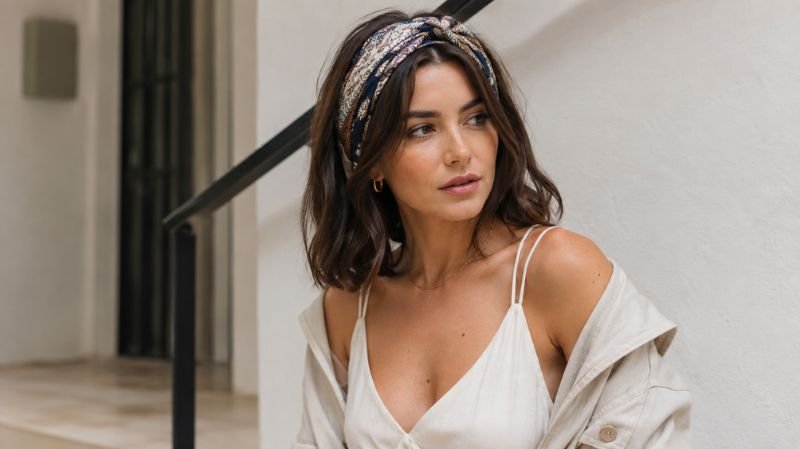
Long bob or medium hairstyles, the shoulders will be approached from the necklace. A mid-sized bandana typically may be braided into many forms and woven with a few hairstyles.
You can wear this as a standard headband with loose hair or tie it around your low ponytail. Its nice to be able to use a folded bandana with half up hair styles as it keeps the aesthetic while still showing some hair.
If you want a wider head band um, fold the fabric a little bit larger? If you would like a less striking look, fold it into a more slim strip.
Getting a mid length cut is another chance to try placement as well. A bandana pulled at the line of that hair kicks off a whole different vibe than one placed on top of the crown, even if it uses the same accessory.
Factors to Consider when Choosing the Right Size Long Hair
It is advisable to go for a bandana with extra fabric especially if the intention of wrapping or tying a large hair style. A bigger square offers more fabric for wrapping a ponytail, weaving a braid or filleting the head.
Regarding the ponytail, it also does not have to cover the hairstyle entirely with the bandana. Once, you can fold it into a strip and tie it at the base so that both ends are granted to fall naturally.
For a bun, the larger bandana can be wrapped around the hairstyle more times or folded into a wider accessory. This can add decorative chicness and security.
For extremely long or super thick hair, be mindful of how much fabric will need to finish the targeted knot. Tying a size that is too small will leave you with short ends that are just unable to tie up firmly.
Bandana For Curly & Wavy & Textured Hair
(addresses hair texture just as important, if not more so, than hair length) Curly and textured hair tends to be voluminous, which means that a bandana needs to have enough space in it to account for the hair without really pressing down on it.
A larger lightweight bandana can also be used when more coverage is desired, while still preserving the curl shape. Do not tighten the fabric; everything is kept with room for the hair to maintain its volume.
A wider headband can frame loose curls without flattening the style. For protective or wrapped styles, you may need to add more fabric in order to comfortably cover the hair.
The goal should be balance. The accessory should have texture, and if a flat piece or big flower is used, it shouldn’t totally flatten out the hair.
Adjusting Bandana Size for Other Hair Styles
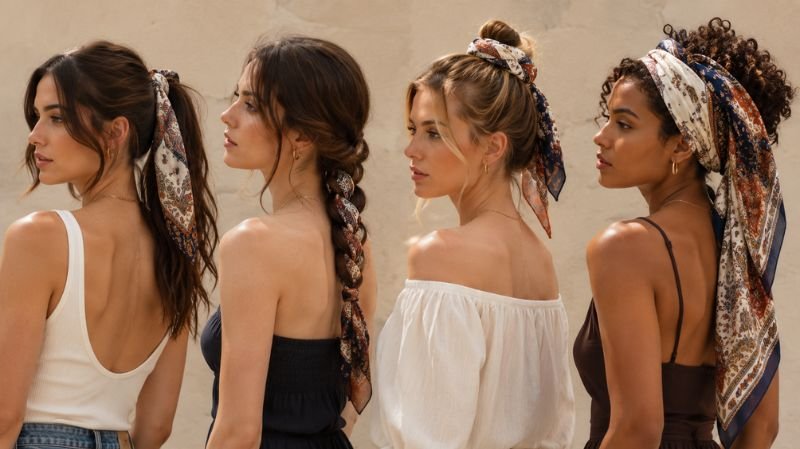
The length and fashion of hair changes how much fabric you want.
Ponytails: Use a small or average size bandana wrapped and tied at the base. Higher sizes give elongated ornamental finishes.
Braids: The narrow folded bandana can be woven within the braid but a bigger piece can be tied at its end.
Buns: Bigger sizes can potentially make wrapping easier and have enough material to tie the accessory.
Half-up hairstyles: A medium bandana is usually flexible enough to wrap the gathered section without covering too much of the remaining hair.
Headbands : The finished band will depend fairly on how wide you want it to be. In fact, any square can be folded into a strip but bigger pieces would have wider slut.
Large squares tend to be most functional as head wraps; you need enough fabric to cover your whole head.
For those experimenting with various styles and sizes, 4inbandana provides a versatile range of custom bandanas and relevant accessories, offering the perfect solution for anyone looking to elevate their look without sticking to a single styling method.
Select One Based On That Look You Want
Your choice should also be influenced by your preferred aesthetics. For a clean appearance, consider a smaller bandana folded into thin ribbon. For something more obvious, a larger item with visible creases or elongated tips can have even greater visual emphasis.
The bandana loosely tied may be helpful for a relaxed, casual outfit and the precisely folded structure will look better on polished periphery.
Color and pattern matter too. A wide bandana decorated with a bright print who does not demand attention more than a small accessory with anarchy.
Other Factors Besides Size
The size is just one aspect of the choice. Consider:
Fabric weight: This will influence how easy it is to fold around yourself or wrap.
Seasonal component: Hair length comes into play.
Texture: You may need more space for curly or textured hair.
Comfort: Keep the accessory loose enough that no pressure is created when tying.
Climate: In warm weather, stain-breathable materials may be a more comfortable choice.
Styling way: A head wrap takes different sizes than a complete headband.
Common Bandana Sizing Mistakes
People make several mistakes, one is selecting a bandana on the hair length. Even two people who have hair of equal length may require very different sizes due to the varying thickness and texture of their hair.
One of the mistakes is to think that the larger bandana will be more versatile. More fabric means more options, but also too much if only using it for a simple hairdo.
Folding technique is also something that can be overlooked very easily. Play with what thickness you fold your bandana before declaring a bandana too big or small. So, changing the width of folded fabric dramatically changes the final look.
Final Thoughts
The best bandana size ultimately depends on your hairstyle choice you truly want to wear. The most common hairstyle is a good place to start, then consider how much fabric or coverage that hair style requires.
If your hair is short and you would like to wear minimal jewelry, choose a smaller or medium size first. People who have long, thick, curly or highly voluminous hair will like the option of a bigger square.
Above all, please feel free to practice. Folds, placements and tying with those same bandanas can create a multitude of styles. Mix it with the right fabric, size, hairstyle, and styling method: it can easily become an integral (and stylish) part of your daily look.