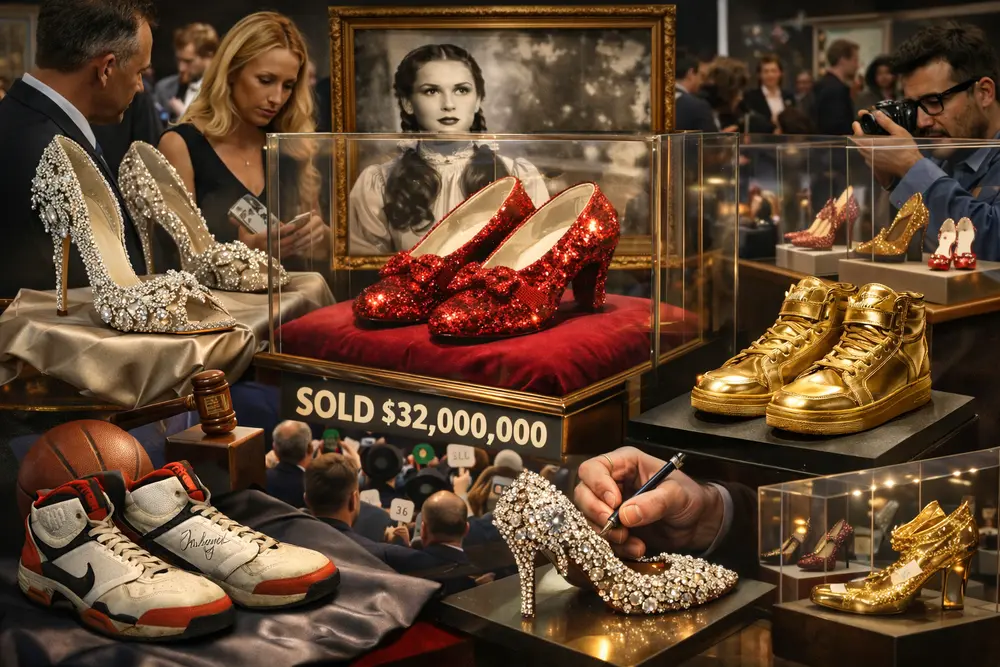
Luxury fashion has always pushed the boundaries of creativity, craftsmanship, and price, but nothing captures this better than the world of most expensive shoes. From diamond-studded heels to historic film memorabilia and game-worn sneakers, footwear has evolved from something purely functional into collectible art worth millions.
Today, some expensive shoes are not even meant to be worn. They are displayed in museums, auctioned like rare paintings, and treated as investment assets by collectors. The fascination lies not just in their price tags, but in the stories, materials, and cultural moments they represent.
The most expensive shoe in the world is a pair of ruby slippers worn by Judy Garland in the film The Wizard of Oz, which sold at auction in 2024 for over $32 million.
Their extraordinary value comes from their Hollywood history, rarity (only a few pairs exist), and cultural significance as one of the most recognizable props in cinema. Unlike luxury designer footwear, their worth is driven by provenance and storytelling rather than just materials.
Why Do Some Shoes Cost Millions?
Before diving into record-breaking pairs, it’s important to understand why certain footwear commands such staggering prices.
1. Rare and Precious Materials
Many luxury shoes incorporate:
- Flawless diamonds and rare gemstones
- 18K or 24K gold components
- Platinum settings and handcrafted embellishments
- Exotic leathers and custom fabrics
These materials alone can rival the value of fine jewelry.
2. Extreme Craftsmanship
Some pairs require:
- Hundreds or even thousands of hours of handwork
- Specialized artisans such as jewel setters and couture shoemakers
- One-of-one construction with no mass production
3. Exclusivity and Scarcity
The fewer the pairs available, the higher the demand. Many of the most expensive shoes were created as:
- Limited-edition art pieces
- Custom commissions for ultra-wealthy clients
- Exhibition items designed to showcase design innovation
4. Cultural or Historical Significance
Shoes linked to major events, films, sports history, or celebrity culture, can far exceed the value of material-based luxury footwear.
The Record Holder: Judy Garland’s Ruby Slippers
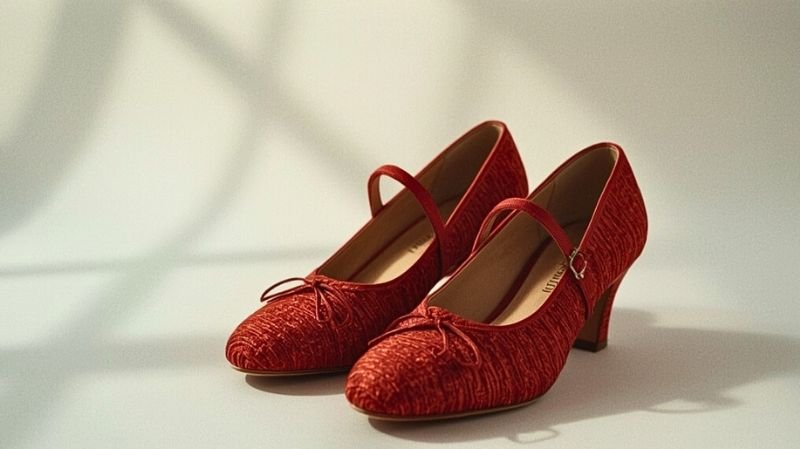
The legendary ruby slippers worn by Judy Garland as Dorothy have become the ultimate symbol of cinematic nostalgia and collectible fashion.
What Makes Them So Valuable?
- Historical Importance: A defining artifact from one of Hollywood’s most influential films.
- Extreme Rarity: Only a handful of authentic pairs survived production.
- Cultural Recognition: Instantly recognizable across generations.
- Auction Demand: Film collectors and investors drove the price beyond $32 million.
Unlike modern luxury footwear, these shoes derive their worth from emotional and cultural resonance rather than diamonds or gold.
Luxury Designer Creations That Redefined Expensive Shoes
While the ruby slippers hold the record, contemporary designers have long competed to create the most extravagant footwear imaginable.
Stuart Weitzman’s Million-Dollar Era
Stuart Weitzman became synonymous with red-carpet luxury in the early 2000s, unveiling a series of jewel-encrusted heels designed to blur the line between footwear and high jewelry.
These creations featured:
- Hundreds of diamonds set into delicate straps
- Rare gemstones like tanzanite
- Platinum threading and Italian leather
- Designs inspired by Hollywood icons
Weitzman’s collections proved that expensive shoes could function as wearable haute couture.
The Rise of Diamond-Encrusted Statement Shoes
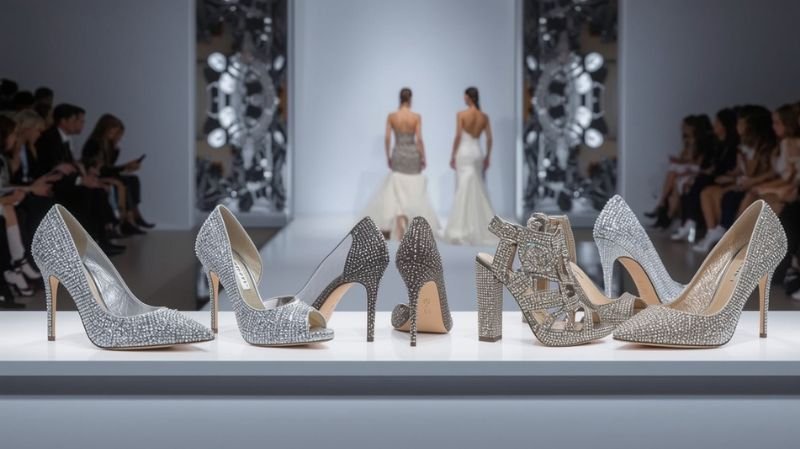
Luxury brands in the Middle East and Europe later escalated the competition by introducing shoes valued between $15 million and $20 million.
What Set These Apart?
- D-flawless diamonds (among the rarest in the world)
- Solid gold heels and embellishments
- Months of production involving both jewelers and shoemakers
- Designs unveiled in seven-star hotels or exclusive fashion events
These pieces were never intended for everyday wear, they were designed to attract global attention and demonstrate craftsmanship at its most extreme.
Sneakers Enter the List of the Most Expensive Shoes
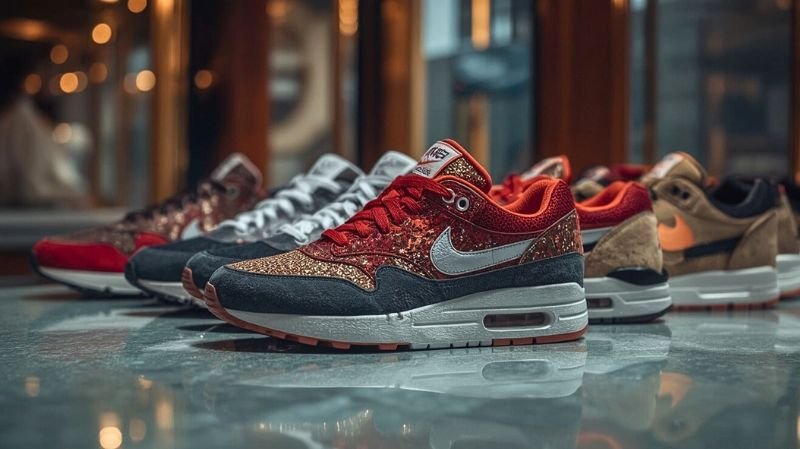
Historically, high prices were limited to formal or couture footwear. That changed when sneaker culture collided with auction culture.
The Role of Sports Legacy
Game-worn sneakers associated with Michael Jordan transformed athletic shoes into collectible artifacts.
Collectors value these sneakers because they represent:
- Historic sports moments
- Direct connection to an athlete’s career
- Authentication and signature provenance
- Cultural impact on global sneaker fashion
Companies like Nike helped elevate sneakers from sports gear to luxury collectibles.
When Music, Art, and Fashion Collide
Celebrity collaborations have also pushed footwear into the realm of sculpture.
For example, Canadian artist and rapper Drake commissioned solid-gold sneakers as conceptual art pieces. These were not wearable but showcased how modern luxury merges:
- Pop culture
- Fine art
- Fashion marketing
Such designs redefine what we consider “shoes,” turning them into conversation-starting artifacts.
Why a Collector Paid Millions for Shoes
Consider a private collector who purchased game-worn basketball sneakers at auction. From a practical standpoint, they are just used athletic shoes. But to the buyer, they represented:
- Ownership of a historic sports moment
- A tangible link to an iconic athlete
- A rare asset likely to appreciate in value
This mirrors how art collectors purchase paintings, not for utility, but for meaning and investment.
Are the Most Expensive Shoes Ever Worn?
Surprisingly, many are not.
Some Are Designed Only for Display
- Stored in climate-controlled vaults
- Exhibited in museums or galleries
- Treated like fine jewelry or artwork
Others Are Worn Only Once
- Red-carpet appearances
- Special performances or auctions
- Immediately archived afterward
Functionality becomes secondary to symbolism.
The Psychology Behind Expensive Shoes
Why would someone spend millions on footwear?
Emotional Drivers
- Passion for fashion or pop culture
- Nostalgia tied to iconic moments
- Personal expression of status
Financial Drivers
- Rare fashion items can appreciate in value
- Auction markets treat them like collectibles
- Diversification into alternative investments
Social Drivers
- Exclusivity signals influence and prestige
- One-of-one ownership offers unmatched uniqueness
How the Luxury Footwear Market Has Evolved
Over the past two decades, three major shifts changed how we view footwear:
- Shoes Became Storytelling Objects
Buyers now value narrative as much as design. - Sneaker Culture Entered the Luxury Space
Athletic shoes gained museum-level recognition. - Fashion Became an Investment Category
Rare footwear is increasingly traded like art or watches.
This evolution explains why discussions about the most expensive shoes now include both diamond heels and historic sneakers.
What Makes Expensive Shoes Different from Regular Luxury Shoes?
| Feature | Regular Luxury Shoes | Most Expensive Shoes |
| Materials | Premium leather | Diamonds, gold, rare gems |
| Production | Limited runs | One-of-one creations |
| Purpose | Wearable fashion | Collectible art |
| Value Driver | Brand name | Rarity + story + provenance |
| Ownership | Consumers | Collectors & investors |
Are Million-Dollar Shoes the Future of Fashion?
While not practical for everyday consumers, they influence mainstream fashion in subtle ways:
- Inspire new design techniques
- Elevate craftsmanship standards
- Generate global brand visibility
- Drive innovation in materials and storytelling
In many ways, these creations function like concept cars in the automotive world, bold experiments that shape future trends.
Conclusion
The story of the most expensive shoes in the world is not really about footwear—it’s about art, history, culture, and human fascination with exclusivity. From Judy Garland’s ruby slippers to diamond-studded designer creations and legendary sports sneakers, these pieces redefine what fashion can represent.
They remind us that value is not always measured by function. Sometimes, it is measured by emotion, heritage, and the desire to own something truly irreplaceable.
As fashion continues to merge with art and investment culture, we can expect even more boundary-pushing creations that challenge our understanding of luxury.
Curious about more luxury fashion insights, collectible trends, or iconic design stories?
Stay updated with our latest articles exploring the intersection of style, culture, and innovation, because the world of high-end fashion is constantly evolving, and the next record-breaking creation could already be in the making.
FAQs
What is the most expensive shoe brand in the world?
There isn’t a single brand that always holds the title. Instead, record-breaking shoes come from collaborations between designers, jewelers, and collectors, making them unique creations rather than standard retail products.
Why are some shoes so expensive?
Their price reflects rare materials, handcrafted production, exclusivity, and cultural significance. In some cases, historical provenance matters more than the materials themselves.
Are expensive shoes a good investment?
Certain pairs—especially those tied to history, celebrities, or limited releases—can appreciate significantly in value, similar to art or vintage watches.
How long does it take to make luxury million-dollar shoes?
Some pairs require several months to nearly a year, involving teams of artisans, gemologists, and designers working together.
Are these shoes actually wearable?
Many are technically wearable but rarely used. Owners typically preserve them to maintain their value.
What is the difference between luxury shoes and collectible shoes?
Luxury shoes focus on craftsmanship and brand prestige, while collectible shoes derive value from rarity, story, and cultural importance.