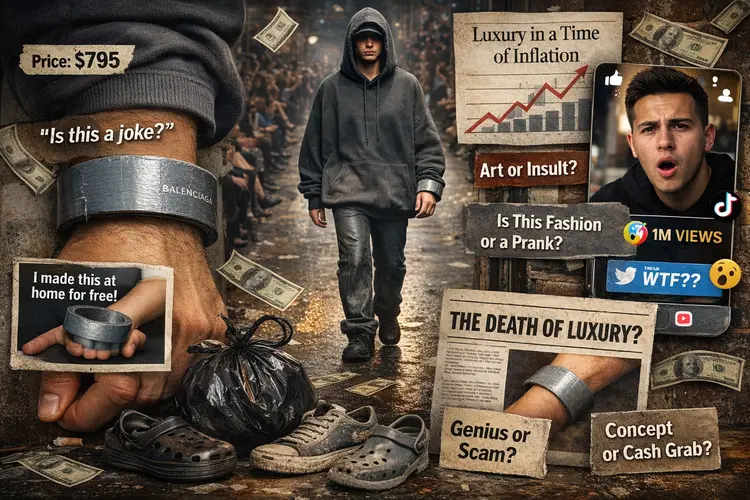
Luxury fashion has always flirted with controversy, but few accessories have ignited as much conversation as the Balenciaga tape bracelet. At first glance, it looks deceptively simple, almost indistinguishable from a roll of everyday tape wrapped around the wrist. Yet this very simplicity is what has made it one of the most debated fashion items in recent years.
In 2026, the controversy hasn’t faded. If anything, it has evolved. What began as online shock has grown into a broader discussion about value, creativity, consumer psychology, and where luxury fashion is heading. So why does a seemingly ordinary Balenciaga bracelet continue to spark outrage, memes, think pieces, and heated debates? Let’s unpack it.
What Exactly Is the Balenciaga Tape Bracelet?
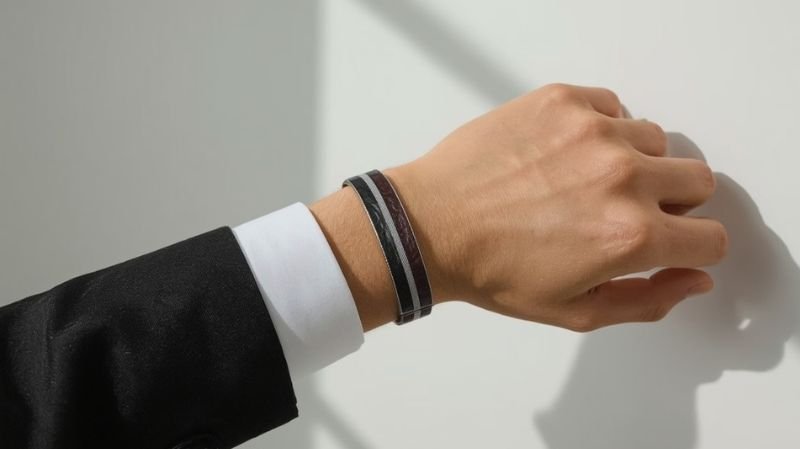
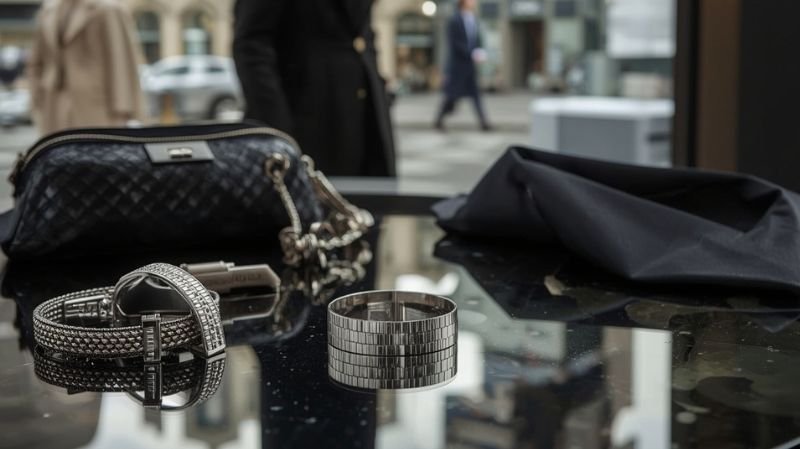
The Balenciaga tape bracelet, sometimes referred to as the “tape bangle”, is a rigid circular accessory designed to resemble a roll of industrial or gaffer tape. Its appearance is intentionally plain, with minimal branding and a raw, utilitarian aesthetic.
Despite its humble look, the bracelet sits firmly in the luxury category, carrying a price tag that shocked many consumers. For critics, the immediate reaction was disbelief. For supporters, it was instantly recognizable as classic Balenciaga: provocative, ironic, and unapologetically bold.
The design isn’t about traditional craftsmanship or embellishment. Instead, it leans heavily into concept, challenging what qualifies as luxury in the modern fashion world.
How the Controversy Began
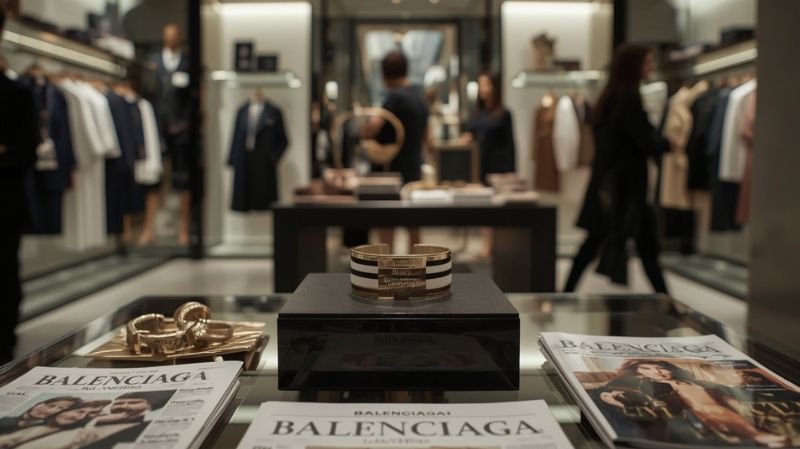
The bracelet first gained attention when it appeared on the runway, quietly blending into a show filled with avant-garde silhouettes. Initially, it flew under the radar. After all, who notices something that looks like tape?
That changed when close-up images and videos began circulating on social media. TikTok, Reddit, and X (formerly Twitter) users quickly picked up on the accessory, and reactions poured in almost instantly.
Common responses included:
- “This has to be a joke.”
- “Luxury fashion is a social experiment.”
- “I made this at home for free.”
The Balenciaga tape accessory became viral not because of aggressive marketing, but because of organic outrage. In the digital age, shock spreads faster than admiration, and Balenciaga knows this better than most brands.
Why People Find the Balenciaga Bracelet So Controversial
The backlash isn’t just about aesthetics. The controversy surrounding the Balenciaga bracelet stems from multiple overlapping concerns.
1. Price vs Perceived Value
Many consumers struggle to justify paying luxury prices for an object that visually resembles a low-cost, everyday material. The disconnect between cost and appearance fuels frustration and skepticism.
2. Accessibility of Design
Unlike intricate jewelry that requires visible skill, the tape bracelet looks replicable. This challenges traditional notions of exclusivity and craftsmanship.
3. “Is This Art or Mockery?”
Some critics argue that such designs feel dismissive of consumers, almost as if the brand is testing how far it can push its audience.
4. Economic Sensitivity
In a time when inflation and cost-of-living concerns remain relevant in 2026, conspicuous minimalism priced as luxury can feel tone-deaf to many.
A Pattern, Not an Accident
While the tape bracelet shocked newer audiences, longtime followers of Balenciaga saw something familiar.
This is the same brand that introduced:
- Oversized, seven-layer parkas
- Pre-destroyed sneakers
- Leather bags resembling trash bags
- High-fashion Crocs hybrids
Each item followed a similar trajectory: initial outrage, viral attention, eventual acceptance, and in some cases, cult status.
The Balenciaga tape bracelet fits squarely into this lineage. It’s not a random misstep, it’s part of a deliberate design philosophy that elevates the mundane into the luxurious.
The Designer Influence Behind the Tape Motif
A deeper layer of the controversy lies in the creative roots of the design. Balenciaga’s creative direction under Demna has long been associated with deconstruction and reinterpretation.
Before leading Balenciaga, Demna worked closely with Maison Margiela, a brand known for transforming ordinary objects into conceptual fashion statements. The tape motif echoes that heritage.
From taped logos to wrapped silhouettes, Balenciaga has explored this visual language for years. The bracelet isn’t an isolated idea, it’s an evolution of an existing theme.
Why Some People Still Buy It
Despite the backlash, the Balenciaga bracelet continues to attract buyers. Consider a real-world scenario:
A fashion content creator purchases the tape bracelet not because it looks luxurious, but because it communicates something specific. It signals awareness of fashion culture, irony, and insider knowledge. When worn, it becomes a conversation starter, both online and offline.
In this sense, the value isn’t in the object itself, but in the statement it makes. For some consumers, that symbolic value is worth the price.
Social Media’s Role in Keeping the Controversy Alive
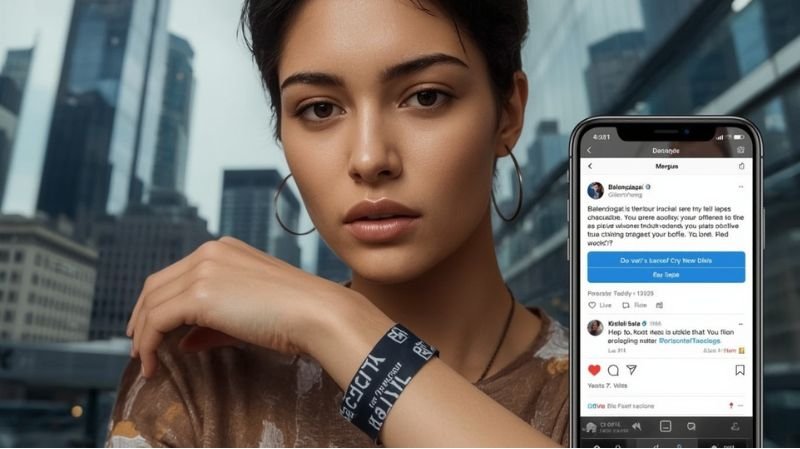
The sustained attention around the Balenciaga tape bracelet wouldn’t be possible without social media. Platforms thrive on polarizing content, and few things generate engagement like luxury items that “don’t look expensive.”
By 2026, fashion discourse has become as much about commentary as clothing. Reaction videos, duets, and meme culture have transformed the bracelet into a digital artifact rather than just a physical accessory.
Ironically, many of the loudest critics contribute to the bracelet’s visibility, amplifying its reach with every post.
What This Says About Luxury Fashion in 2026
The controversy reveals a deeper shift in how luxury is defined.
Modern luxury is no longer solely about:
- Precious materials
- Visible craftsmanship
- Timeless elegance
Instead, it increasingly revolves around:
- Conceptual storytelling
- Cultural relevance
- Provocation and virality
The Balenciaga tape bracelet sits at the intersection of fashion, performance art, and marketing. Whether people love or hate it, they engage with it, and in today’s attention economy, engagement is currency.
Is the Backlash Actually Benefiting Balenciaga?
From a branding perspective, the answer is complicated—but often yes.
Short-term outrage generates:
- Massive online visibility
- Media coverage beyond fashion publications
- Renewed relevance among younger audiences
Long-term risks include:
- Brand fatigue
- Alienating traditional luxury buyers
- Perceptions of creative laziness
So far, Balenciaga appears willing to accept those risks. The continued conversation into 2026 suggests the strategy is working, at least in keeping the brand culturally dominant.
Final Thoughts
The Balenciaga tape bracelet isn’t controversial because it looks like tape. It’s controversial because it forces consumers to confront uncomfortable questions:
What are we really paying for? materials, ideas, or status?
Where does art end and provocation begin?
And who gets to decide what luxury means?
Whether you see it as brilliant commentary or overpriced irony, one thing is certain: the Balenciaga tape design has succeeded in doing what few accessories manage, it made people care.
What do you think, bold creativity or luxury gone too far?
Share your thoughts in the comments, explore more in-depth fashion trend analysis on our site, and stay updated on how modern luxury continues to redefine itself in unexpected ways.
FAQs
Why is the Balenciaga tape bracelet so expensive?
The price reflects branding, concept, and exclusivity rather than materials alone. Luxury pricing often includes cultural value and design philosophy.
Is the Balenciaga bracelet meant to be ironic?
Yes, irony plays a significant role. The design intentionally contrasts everyday materials with high-fashion status.
Did the controversy hurt Balenciaga’s reputation?
While some consumers were alienated, the brand gained massive visibility. In many ways, the controversy reinforced Balenciaga’s identity.
Are more brands adopting similar shock-based designs?
Yes. Conceptual minimalism and provocative accessories are increasingly common as brands compete for attention.