Fashion trends come and go, but certain aesthetics grow because they reflect real emotions, lifestyles, and cultural shifts. As we move into 2026, the Acubi aesthetic continues to gain momentum—not because it is loud or attention-seeking, but because it feels authentic, wearable, and quietly expressive.
Often misunderstood or mislabeled online, Acubi fashion is not about exaggerated futurism or costume-like styling. Instead, it focuses on refined simplicity, urban influence, and layered outfits that feel effortless yet intentional. This guide breaks down the Acubi aesthetic from visuals and fashion to media and music, helping you understand how to wear it in a way that feels personal and modern.
What the Acubi Aesthetic Really Represents
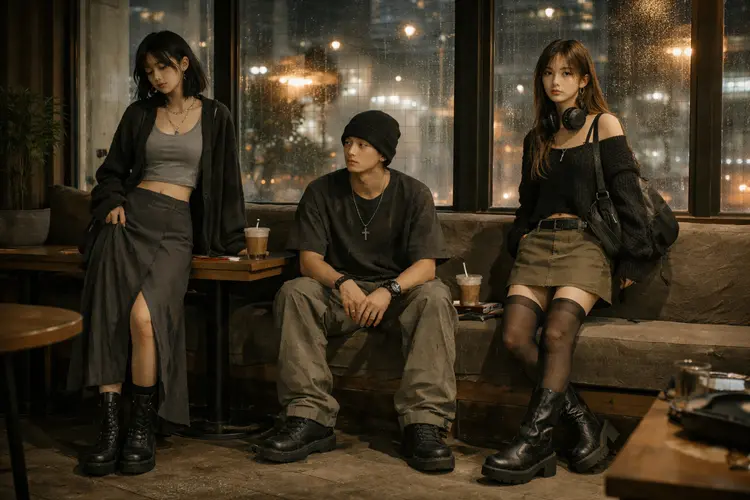
At its core, the Acubi aesthetic reflects modern city life—neutral, slightly raw, and emotionally understated. It borrows inspiration from minimalist fashion, Korean street style, and subtle grunge elements, but it avoids extremes. Instead of bold graphics or dramatic silhouettes, Acubi outfits rely on balance.
A key reason people connect with Acubi fashion is that it mirrors everyday reality. It feels calm rather than chaotic, expressive without being overwhelming. This is also why Acubi is frequently confused with Cyber Grunge online. While Cyber Grunge leans heavily into futuristic and industrial themes, Acubi remains grounded and wearable.
Visual Identity of the Acubi Aesthetic
Visuals play a huge role in shaping any aesthetic, and Acubi is deeply connected to urban environments.
Common visual themes include:
- Grey sidewalks and muted cityscapes
- Empty storefronts and quiet streets
- Local gas stations at night
- Minimal interiors with outdated neutral tones
- Faded graffiti and subtle signs of urban decay
- Symbolic elements like stars, crosses, and skulls
These visuals influence how Acubi outfits are styled—nothing feels overly polished. Instead, the look embraces softness, realism, and neutrality.
Acubi Fashion: Style Principles Explained
Rather than relying on trends, Acubi fashion is built on a few key principles:
- Neutral and earthy color palettes
- Layered clothing with clean silhouettes
- A mix of fitted and oversized pieces
- Gender-neutral styling
- Subtle texture over bold patterns
This approach allows Acubi outfits to feel timeless rather than seasonal, making them easy to adapt throughout the year.
Tops, Bottoms, and Dresses in Acubi Outfits
Tops
Acubi tops are simple but intentional:
- Cropped tank tops
- Plain or lightly oversized T-shirts
- Fitted long sleeves used for layering
These pieces often work best in neutral shades like grey, beige, black, or muted green.
Bottoms
Bottoms anchor the outfit and add structure:
- Cargo pants with a relaxed fit
- Track pants for a casual street look
- Maxi or mini skirts styled with heavier shoes
Dresses
Dresses in Acubi fashion are minimal and versatile:
- Neutral slip dresses
- Body-skimming silhouettes layered with cardigans or jackets
A content creator in Berlin shared how she styles her Acubi outfit for daily errands—grey maxi skirt, cropped tank, oversized cardigan, and platform boots. The outfit feels comfortable, weather-appropriate, and expressive without trying too hard. This kind of practicality is what keeps Acubi fashion relevant.
Footwear That Defines the Acubi Look
Footwear adds weight and contrast to otherwise minimal outfits. Most Acubi outfits rely on shoes that feel sturdy and grounded.
Popular choices include:
- Platform boots
- Chunky soles with clean lines
- Alternative footwear brands known for durability and edge
The contrast between soft clothing and bold footwear creates the signature Acubi balance.
Accessories: Minimal but Meaningful
Accessories in Acubi fashion are used sparingly. The goal is enhancement, not distraction.
- Handmade or pearl-style necklaces
- Simple rings or belts
- Stockings layered with skirts or shorts
Hats
- Bucket hats
- Baseball caps
- Knit beanies for colder months
Each accessory should feel like part of the outfit—not an afterthought.
Outerwear and Textures
Layering is essential in Acubi outfits and adds depth without complexity.
Common outerwear pieces:
- Cropped jackets
- Soft, neutral-toned cardigans
Textures and materials often used:
- Mesh or sheer fabrics for subtle contrast
- Denim jeans
- Lightweight knits
Texture plays a bigger role than color in creating visual interest.
Media That Influences the Acubi Aesthetic
Acubi fashion doesn’t exist in isolation—it is heavily shaped by visual storytelling and emotional narratives.
Film Influence
Films with moody urban settings and introspective characters often inspire Acubi styling:
- Chungking Express
- Fallen Angels
- The Matrix series
- Bratz: Fashion Pixiez
These films focus on atmosphere rather than spectacle, aligning perfectly with Acubi’s understated tone.
Anime & Manga Influence
Anime and manga also play a major role:
- Neon Genesis Evangelion
- Serial Experiments Lain
- Cowboy Bebop
- Nana
- Death Note
Their themes of identity, isolation, and emotional depth reflect the mindset behind Acubi fashion.
Music That Complements Acubi Fashion
Music helps define the emotional layer of the aesthetic.
Artists commonly associated with the Acubi vibe include:
- Radiohead
- Deftones
- Nirvana
- The Cure
- Mitski
- Gorillaz
- PinkPantheress
- beabadoobee
- Lamp
- NewJeans and select K-pop groups
These artists share a balance of softness, nostalgia, and edge—qualities that translate naturally into Acubi outfits.
Why Acubi Fashion Works So Well in 2026
The continued rise of Acubi fashion is no accident. It fits perfectly with modern lifestyle shifts:
- Preference for comfort without sacrificing style
- Growing interest in gender-neutral fashion
- Desire for repeatable outfits rather than fast trends
- Emotional connection to clothing
Acubi outfits don’t demand perfection. They invite experimentation and individuality.
Conclusion
The Acubi aesthetic is not about copying looks from social media—it’s about adapting a mindset. By focusing on neutral tones, layering, and subtle expression, Acubi fashion allows you to dress in a way that feels calm, confident, and personal.
In 2026, Acubi continues to grow because it respects individuality. Whether you lean toward cargo pants and platform boots or skirts layered with cardigans, every Acubi outfit tells a quiet story—and that’s exactly its power.
Now that you understand the Acubi aesthetic, start by reworking what’s already in your wardrobe. Layer neutrals, focus on fit, and let comfort guide your choices. If this guide helped you refine your understanding of Acubi fashion and Acubi outfits, share it with others exploring modern aesthetics—and keep experimenting until your style feels truly your own.
Frequently Asked Questions (FAQs)
What makes Acubi fashion different from other aesthetics?
Acubi fashion focuses on balance and wearability. It avoids extremes and emphasizes subtle styling over dramatic statements.
Is the Acubi aesthetic suitable for everyday wear?
Yes. One of the biggest strengths of Acubi outfits is their practicality for daily life.
Can Acubi outfits be budget-friendly?
Absolutely. Thrifted basics and neutral staples work perfectly within Acubi fashion.
Is the Acubi aesthetic gender-neutral?
Yes. Acubi styling is inclusive and adaptable to all genders and body types.
Will Acubi still be relevant beyond 2026?
Given its versatility and emotional appeal, Acubi fashion is likely to evolve rather than disappear.