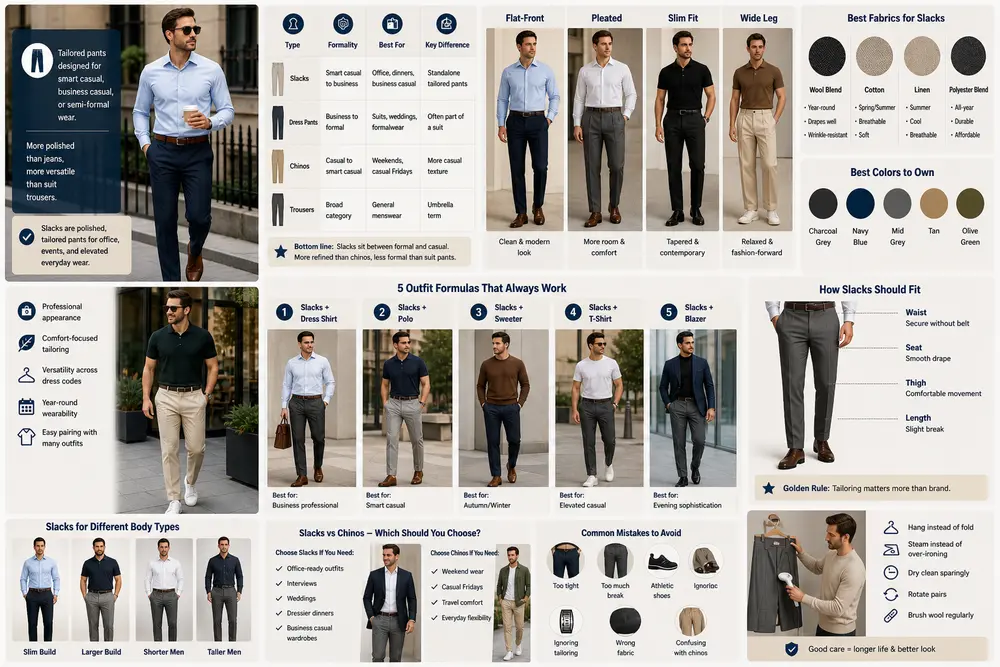

Dressing sense is more than just wearing fashionable clothes—it’s about understanding what suits you, feeling confident in what you wear, and presenting yourself appropriately in different situations. You don’t need an expensive wardrobe or designer labels to look well-dressed. In fact, some of the most stylish people follow simple principles rather than chasing trends.
Whether you are a student, working professional, or someone looking to upgrade your everyday style, improving your dressing sense can positively impact your confidence, social interactions, and even career opportunities. This article explores 10 simple and practical rules that anyone can follow to dress better effortlessly.
Why Dressing Sense Is Important in Today’s World
First impressions are created almost instantly, and your appearance significantly influences how others perceive you. The way you dress speaks without words, revealing your personality, level of confidence, and respect for yourself and those around you. A well-developed dressing sense can boost self-confidence, helping you carry yourself more positively in everyday life.
It also allows you to feel at ease in both social and professional environments, making interactions smoother and more comfortable. Beyond that, your clothing choices contribute to personal branding by shaping how others remember and recognize you. Dressing well also reflects discipline, awareness, and an understanding of appropriateness for different situations.
While many people believe that looking stylish requires complex fashion knowledge or expensive clothes, the truth is much simpler. Good dressing is about making smart, consistent choices that suit your lifestyle and personality. By following a few practical principles, anyone can improve their style and create a lasting, positive impression.
10 Simple Rules to Improve Dressing Sense
1. Understand Your Body Type
The foundation of good dressing begins with knowing your body shape. Clothes should complement your natural structure rather than work against it.
Wearing clothes that suit your body type:
- Enhances your appearance
- Makes outfits look more balanced
- Improves overall confidence
Avoid blindly copying styles from models or influencers. What looks good on them may not work for you and that’s completely okay.
2. Prioritize Fit Over Brand
A perfectly fitted outfit from a local store will always look better than an expensive brand that doesn’t fit well.
Key fit tips:
- Clothes should not be too tight or overly loose
- Shoulder seams should align properly
- Pants should sit comfortably at the waist
Tailoring is a powerful tool. Minor alterations can instantly elevate your outfit without increasing your budget.
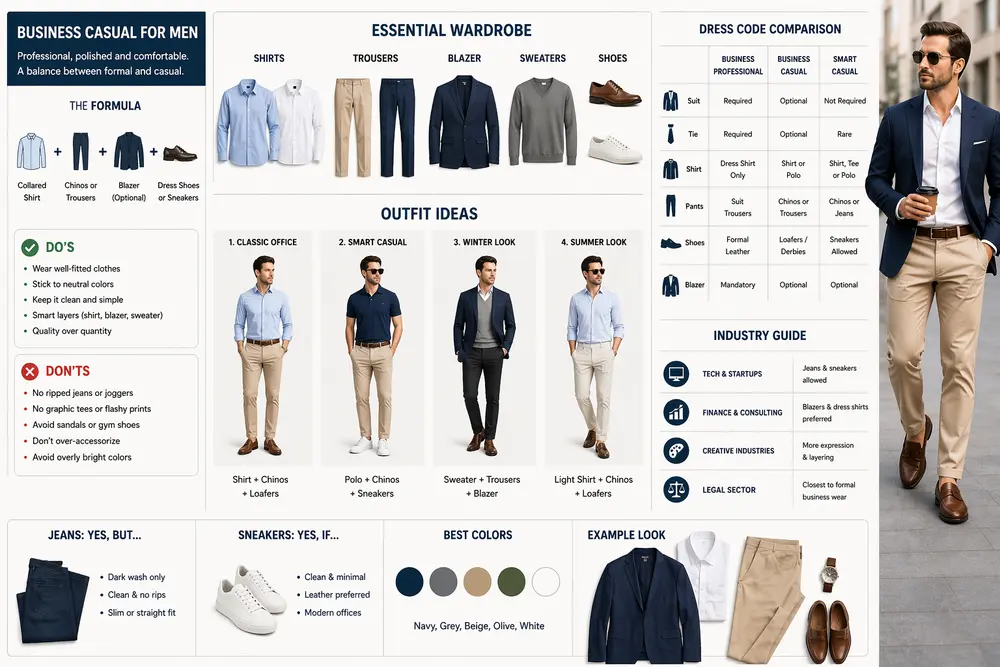
3. Stick to Neutral Colors First
Neutral colors form the backbone of a versatile wardrobe. They are easy to mix, match, and style for multiple occasions.
Essential neutral shades include:
- Black
- White
- Grey
- Navy blue
- Beige
Once you have strong neutral basics, you can gradually add colors and patterns to enhance your style.
4. Dress According to the Occasion
One of the biggest dressing mistakes is ignoring the context. What you wear to a casual outing may not suit a formal meeting.
Keep in mind:
- Formal settings require clean, structured outfits
- Casual events allow relaxed and comfortable styles
- Semi-formal occasions need balance
Dressing appropriately shows respect for the situation and the people around you.
5. Build a Basic Capsule Wardrobe
A capsule wardrobe consists of essential clothing items that never go out of style and can be worn in multiple ways.
Examples of capsule essentials:
- A well-fitted pair of jeans
- Plain t-shirts or shirts
- Neutral trousers
- A versatile jacket or blazer
- Comfortable shoes
This approach saves time, money, and eliminates daily outfit confusion.
6. Pay Attention to Grooming and Hygiene
No outfit looks good without proper grooming. Clean clothes, neat hair, and good hygiene are non-negotiable.
Simple grooming habits include:
- Wearing clean, wrinkle-free clothes
- Polished or clean footwear
- Basic skincare and hair care
Good grooming completes your look and reflects self-discipline.
7. Choose Quality Over Quantity
Having fewer high-quality clothes is far better than owning a wardrobe full of low-quality items.
Benefits of quality clothing:
- Better durability
- Improved fit and comfort
- Timeless appearance
Always check fabric quality, stitching, and comfort before purchasing.
8. Learn Simple Color Combinations
Understanding basic color pairing can dramatically improve your outfits.
Safe and stylish combinations:
- White and navy blue
- Black and grey
- Beige and brown
- Blue and white
Avoid wearing too many loud colors together. Simplicity often looks more elegant and polished.
9. Accessorize Smartly
Accessories add personality to an outfit—but only when used wisely.
Examples of smart accessories:
- A classic watch
- A matching belt and shoes
- A subtle bag or wallet
Over-accessorizing can distract from your outfit, so keep it minimal and purposeful.
10. Dress Confidently and Comfortably
Confidence is the most powerful element of style. If you’re uncomfortable, it will show.
Remember:
- Wear clothes that allow easy movement
- Avoid styles that make you self-conscious
- Stay true to your personality
When you feel good in what you wear, it naturally enhances your presence.
Common Dressing Sense Mistakes to Avoid
Even with good intentions, people often make simple mistakes that affect their appearance.
Common errors include:
- Wearing outdated or worn-out clothes
- Ignoring footwear
- Over-following fashion trends
- Neglecting grooming
Being aware of these mistakes helps you improve faster.
A Simple Style Transformation
Rahul, a young professional, struggled with confidence during office meetings. He often wore mismatched clothes and oversized shirts. After learning a few basic dressing rules, he made small changes—choosing better fits, sticking to neutral colors, and grooming regularly.
Within weeks, colleagues noticed his improved appearance. More importantly, Rahul felt confident speaking in meetings and interacting with clients. His dressing sense didn’t change his personality—but it enhanced how he presented himself.
This example proves that small, consistent changes can make a big difference.
How to Develop a Personal Style Over Time
Personal style is not something that develops instantly; it grows gradually through self-awareness, experimentation, and experience. As you try different outfits, colors, and fits, you begin to understand what makes you feel confident and comfortable. Paying attention to how certain clothes affect your mood and posture helps you refine your choices over time.
It’s important to draw inspiration from fashion sources, trends, or well-dressed individuals, but avoid copying them blindly. Instead, adapt ideas in a way that suits your personality, body type, and daily routine. Consistency also plays a key role—your style should align with your lifestyle, profession, and comfort level rather than feeling forced or impractical.
As you continue to make thoughtful clothing decisions, patterns will naturally emerge in what you prefer and what works best for you. Eventually, your wardrobe will reflect your true identity, making your personal style feel authentic, effortless, and uniquely yours.
Final Thoughts on Improving Dressing Sense
Improving your dressing sense doesn’t require a wardrobe makeover or expensive fashion knowledge. It starts with understanding yourself, choosing the right fit, and paying attention to simple details.
By following these 10 simple rules, you can create a style that is practical, confident, and uniquely yours.
Dressing well is a life skill that goes beyond fashion—it’s about self-respect, confidence, and thoughtful presentation. You don’t need to follow every trend or spend excessively to look good. Start small. Apply just two or three rules from this guide today, and gradually build habits that improve your overall appearance.