Last Updated July 2026
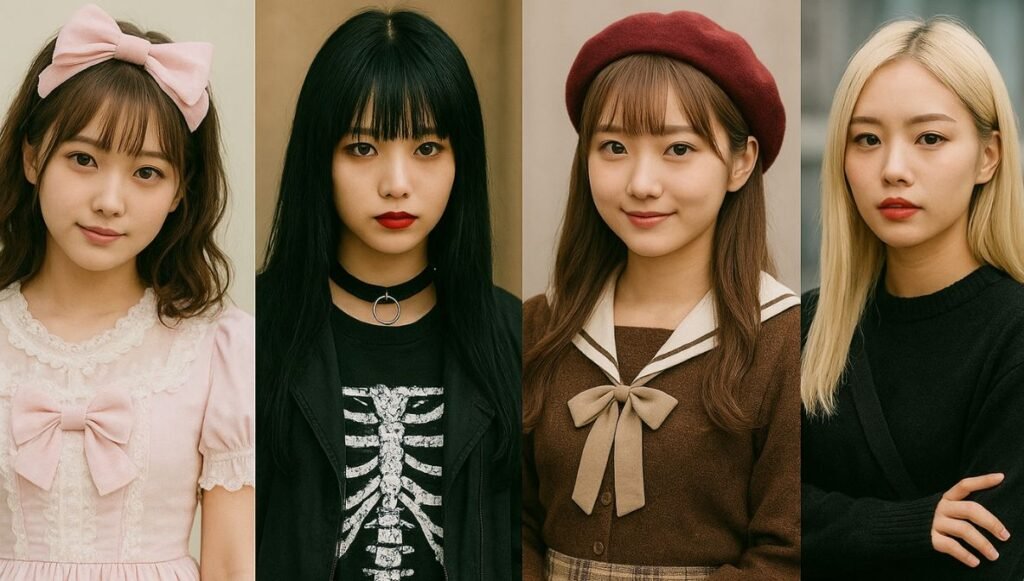
Japan’s fashion landscape has always pushed boundaries, blending tradition, creativity, and bold experimentation. In 2026, the Japanese fashion scene continues to thrive with expressive streetwear, gender-fluid aesthetics, nature-inspired styles, and globally recognized subcultures.
From Harajuku’s colorful walkways to Shibuya’s edgy street corners, fashion in Japan remains a vibrant reflection of individuality and cultural identity. Whether you’re new to Japanese fashion or looking to update your wardrobe with authentic trends, this guide highlights the most popular Japanese fashion styles dominating 2026.
Why Japanese Fashion Stands Out
Japanese fashion trends are loved worldwide because they:
- Encourage self-expression over conformity
- Blend historical influences with modern silhouettes
- Offer diverse subcultures for every personality type
- Push creative boundaries through color, texture, and accessories
- Promote inclusivity through gender-neutral and size-fluid trends
Most Popular Japanese Fashion Trends in 2026
| Fashion Style | Best For | Signature Pieces | Overall Aesthetic |
|---|---|---|---|
| Lolita Fashion | Elegant vintage lovers | Lace dresses, petticoats, bonnets, bows | Victorian & Rococo-inspired elegance |
| A-Line Silhouettes | Everyday wear & flattering fits | A-line dresses, skirts, structured coats | Minimal, feminine, comfortable |
| Y2K Revival | Nostalgic streetwear fans | Chunky sneakers, metallic fabrics, hair clips | Playful 2000s-inspired fashion |
| Gyaru Fashion | Bold fashion enthusiasts | Platform boots, mini skirts, dramatic makeup | Glamorous, confident, eye-catching |
| Genderless Kei | Unisex & inclusive styling | Oversized shirts, wide-leg pants, layered outfits | Relaxed, gender-neutral streetwear |
| Neo-Lolita Fashion | Modern kawaii lovers | Lolita dresses with sneakers, casual accessories | Classic meets contemporary |
| Quiet Layering | Minimalist wardrobes | Knitwear, long coats, neutral layers | Clean, timeless, effortless |
| Techwear Fashion | Functional urban dressing | Waterproof jackets, cargo pants, utility bags | Futuristic, performance-focused |
| Gorpcore Fashion | Outdoor-inspired casual style | Hiking jackets, trail sneakers, utility vests | Practical, adventure-ready streetwear |
| Pop & Block Color Styling | Statement street fashion | Color-block jackets, vibrant tops, bold accessories | Graphic, energetic, high-contrast |
| Kawaii Fashion | Cute and playful styling | Puffy skirts, pastel outfits, character accessories | Sweet, colorful, youthful |
| Mori Kei Fashion | Nature-inspired fashion lovers | Linen dresses, earth tones, layered cardigans | Soft, woodland-inspired aesthetic |
| Cosplay Fashion | Anime & gaming enthusiasts | Character costumes, wigs, props | Creative, expressive, highly detailed |
| Wafuku Fashion | Traditional Japanese fashion | Kimono, Yukata, Hakama | Classic Japanese heritage with modern influence |
1. Lolita Fashion
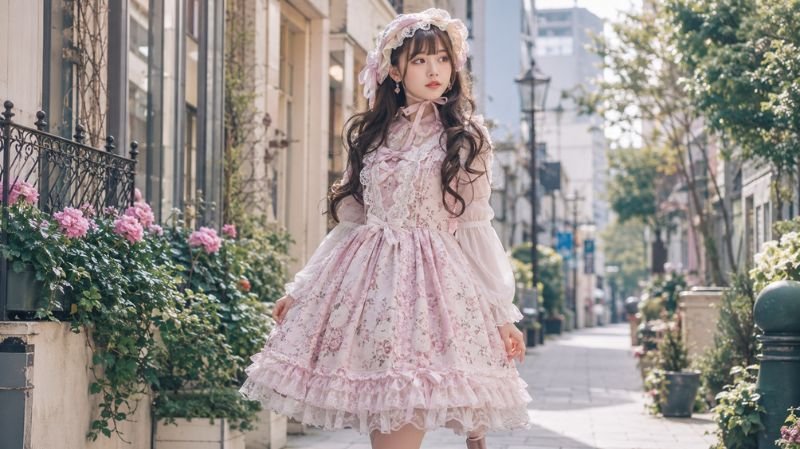
Lolita Fashion remains one of Japan’s most iconic styles. Inspired by Victorian and Rococo eras, it is known for its elaborate details and elegant silhouettes.
Key Features:
- Lace, ribbons, bows, ruffles
- Decorative bonnets and petticoats
- Pastel or dark color palettes depending on substyle
Substyles Include:
- Sweet Lolita – cute motifs, pastel colors, childlike themes
- Gothic Lolita – darker palette, crosses, lace gloves, dramatic makeup
- Classic Lolita – balanced tones, floral prints, refined styling
Its timeless designs and craftsmanship ensure its popularity continues into 2026.
2. A-Line Silhouettes
A-line silhouettes are taking over in 2026 as a stylish yet comfortable alternative to overly oversized outfits.
Why This Trend Works:
- Flattering for various body types
- Provides structure without sacrificing comfort
- Fits well with Japan’s love for modern minimalism
3. Y2K Revival
Y2K fashion remains strong in 2026, blending nostalgia with today’s bold styling. If you enjoy nostalgic fashion revivals, you may also like our guide to fashion trends returning in 2026.
Key Elements:
- Chunky sneakers
- Metallic fabrics
- Colorful layering
- Hair clips and shiny accessories
- Retro prints
This trend continues to evolve while maintaining its playful 2000s spirit.
4. Gyaru Fashion
Gyaru’s glamorous, bold, and confident style still thrives in 2026.
Typical Features:
- Bold makeup
- Voluminous hairstyles
- Bright clothing
- Short skirts and platform boots
Substyles:
- Manba/Manbagi
- Kogal
- Gal-Otaku
The Gyaru community continues to innovate, keeping the style lively and relevant. Read our complete Gyaru Fashion Guide for hairstyles, accessories, and outfit ideas.
5. Genderless Kei
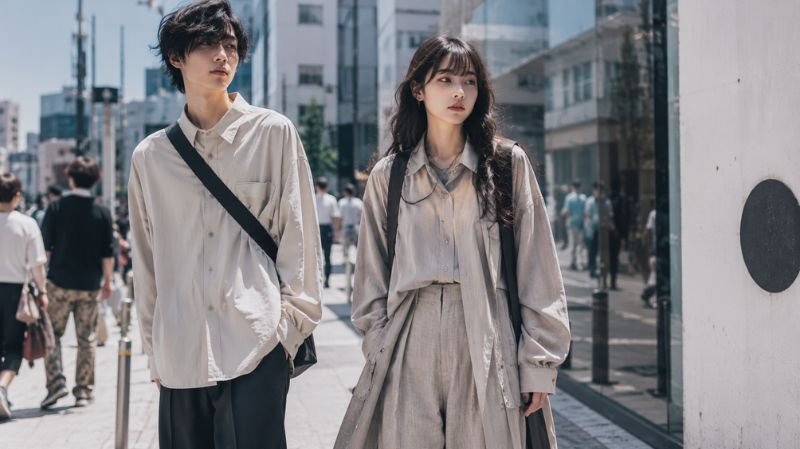
Often associated with Harajuku and contemporary Tokyo streetwear, Genderless Kei focuses on styling without traditional gender rules.
Key Characteristics:
- Loose silhouettes
- Unisex cuts
- Soft pastel or neutral color palettes
- Layer-friendly structures
This trend champions comfort and individuality, aligning perfectly with modern Japanese youth culture.
6. Neo-Lolita Fashion
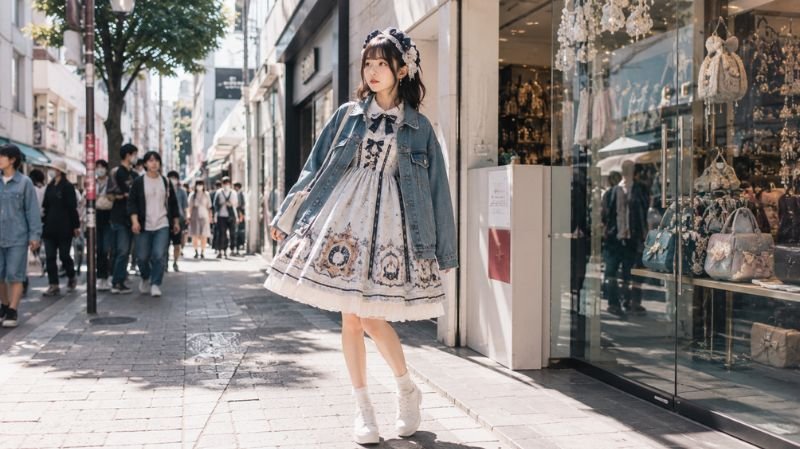
Neo-Lolita Fashion blends classic Lolita style with modern fashion for an everyday look.
Key Features
- Traditional Lolita dresses with sneakers
- Casual accessories
- Softer makeup
- Everyday wearable styling
Substyles
- Casual Neo-Lolita
- Street Lolita
- Minimal Lolita
Unlike traditional Lolita fashion, Neo-Lolita blends classic silhouettes with modern streetwear, making it one of the fastest-growing Japanese fashion trends in 2026.
7. Quiet Layering
Quiet Layering focuses on combining simple, neutral pieces to create a clean, elegant, and effortless outfit.
Key Features
- Neutral colors
- Lightweight layers
- Relaxed tailoring
- Knitwear
- Long coats
Substyles
- Minimal Quiet Layering
- Office Casual
- Scandinavian-Japanese fusion
Quiet Layering reflects Japan’s growing appreciation for timeless wardrobes that emphasize texture over loud patterns.
8. Techwear Fashion
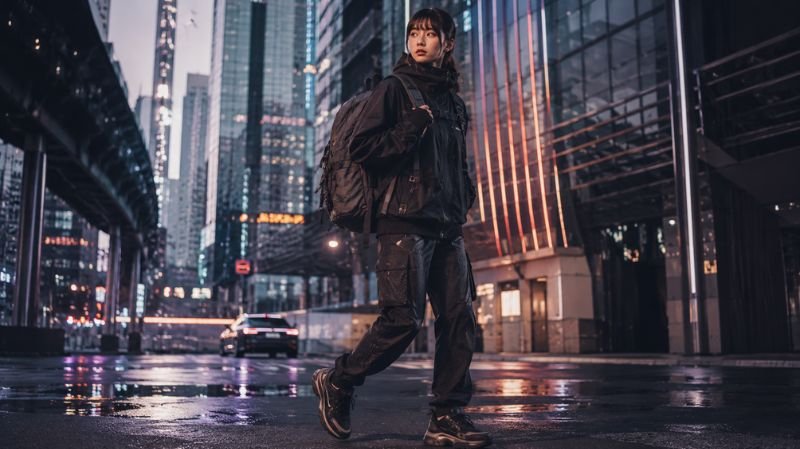
Key Features
- Waterproof jackets
- Cargo pants
- Technical fabrics
- Utility pockets
- Functional accessories
Popular Materials
- Moisture-wicking fabrics
- Breathable mesh
- Stretch nylon
- Performance textiles
Japanese brands continue to influence global techwear through minimalist designs that combine performance with street style.
9. Gorpcore Fashion
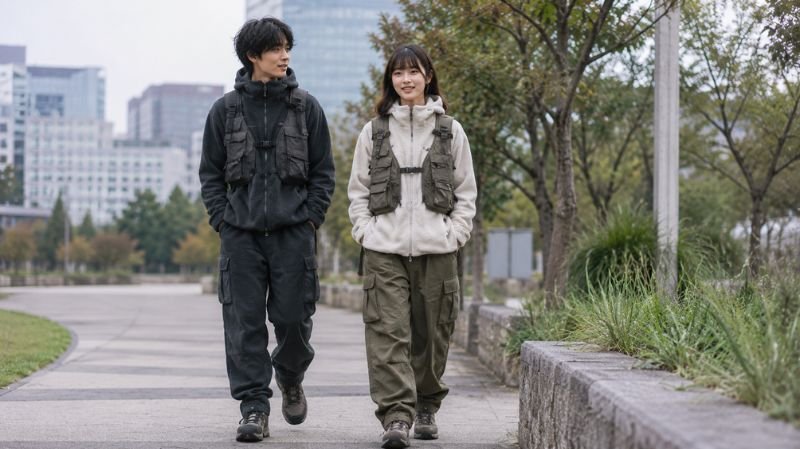
Gorpcore Fashion embraces outdoor-inspired clothing like hiking jackets, cargo pants, and trail shoes for everyday style.
Key Features
- Outdoor-inspired clothing
- Lightweight utility vests
- Hiking shoes
- Cargo pants
- Windbreakers
- Functional accessories
Popular Pieces
- Technical fleece jackets
- Trail sneakers
- Crossbody utility bags
- Wide-leg cargo trousers
Why It’s Trending
Gorpcore blends outdoor performance clothing with everyday streetwear. Japanese consumers have embraced the trend because it complements minimalist styling while prioritizing comfort and practicality.
10. Pop & Block Color Styling
Graphic, high-contrast color blocking continues to dominate 2026 streetwear.
Popular Pairings:
- Vibrant tops with black or white bottoms
- Color-pop jackets
- Contrasting accessories
This visually striking trend remains a favorite among Tokyo’s fashion-forward youth.
11. Kawaii Fashion
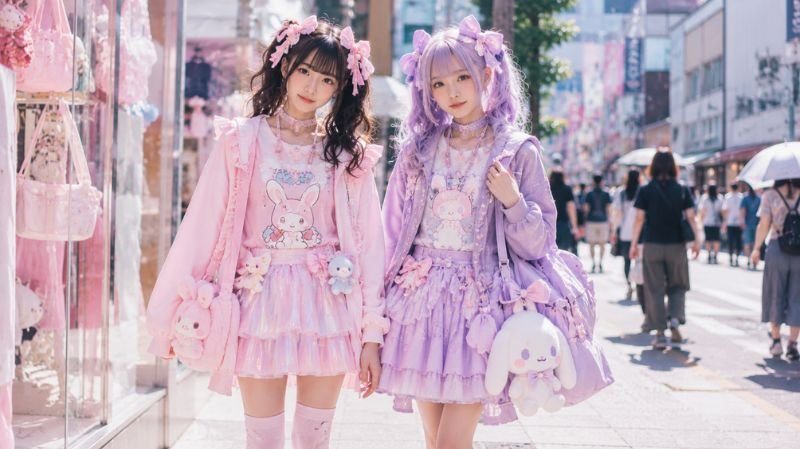
Kawaii fashion continues its global influence in 2026, celebrated for its playful, cute aesthetic.
Common Elements:
- Pastels
- Cartoon characters
- Puffy skirts
- Cute accessories
Substyles:
- Decora Kei
- Fairy Kei
- Yumekawa Kei
The emphasis on creativity and fun keeps Kawaii fashion deeply rooted in Japanese culture.
12. Mori Kei Fashion
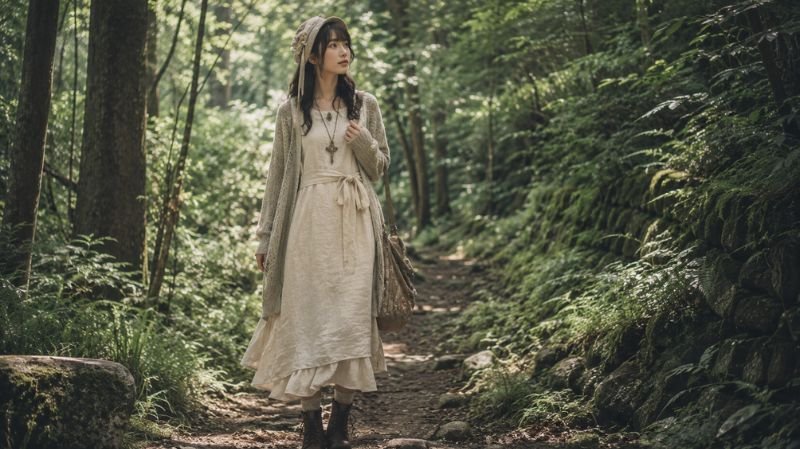
Mori Kei, or “Forest Style,” thrives in 2026 as people embrace slow living and nature-inspired aesthetics.
Signature Elements:
- Earth tones
- Flowing layering
- Linen and cotton fabrics
- Handmade or vintage accessories
Substyles:
- Forest Mori Kei
- Sweet Mori Kei
- Dark Mori Kei
13. Cosplay Fashion
Cosplay continues its global rise and remains central in Japan’s fashion identity in 2026.
Popular Categories:
- Anime cosplay
- Game cosplay
- Tokusatsu cosplay
Cosplayers keep advancing costume design with 3D printing, handmade art, and hyper-detailed craftsmanship.
14. Wafuku Fashion
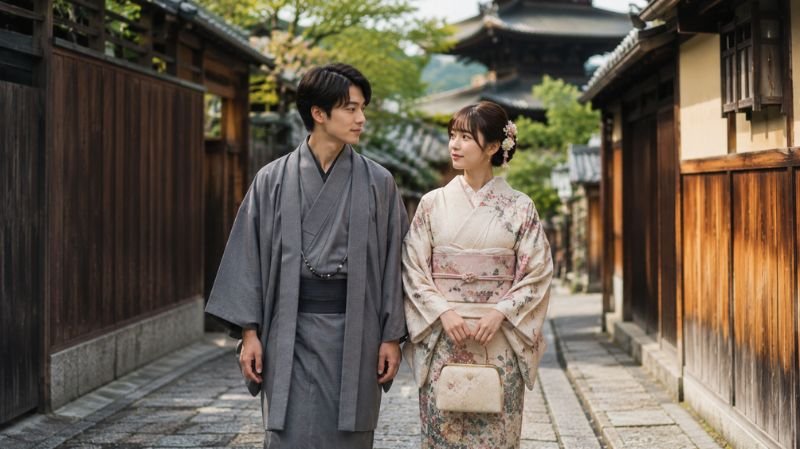
Traditional Japanese clothing continues to inspire modern fusion styles in 2026.
Traditional Pieces:
- Kimono
- Hakama
- Yukata
Wafuku is increasingly incorporated into modern streetwear and formal attire. Learn more about traditional garments such as the kimono and yukata through the Japan National Tourism Organization’s cultural guides.
Japanese Fashion in Daily Life
During a recent 2026 visit to Tokyo’s Harajuku district, I met a student wearing a modern Dark Mori Kei ensemble. Harajuku remains one of Japan’s best-known fashion districts, attracting visitors who want to experience its unique street style culture firsthand. She explained that the earthy layers and handmade accessories helped her feel calm and connected to nature, even in Tokyo’s busy streets. Her fashion choice wasn’t just style—it reflected her personality, lifestyle, and emotional connection to nature. This real-life encounter shows how deeply Japanese fashion intertwines with personal identity.
Conclusion
Japanese fashion in 2026 continues to inspire the world by seamlessly blending heritage, innovation, and individuality. From timeless styles like Lolita, Wafuku, and Kawaii to contemporary trends such as Genderless Kei, Neo-Lolita, Techwear, Gorpcore, Quiet Layering, and the Y2K revival, Japan offers a fashion movement for every personality and lifestyle.
Whether you prefer elegant silhouettes, bold streetwear, nature-inspired aesthetics, or functional everyday clothing, these trends highlight the creativity and diversity that define Japanese style. As fashion continues to evolve, Japan remains a global trendsetter where self-expression, craftsmanship, and cultural identity come together to shape the future of fashion.
FAQs
1. What are the most popular Japanese fashion styles in 2026?
The most popular Japanese fashion styles in 2026 include Lolita Fashion, Y2K Revival, Gyaru, Genderless Kei, Neo-Lolita, Techwear, Gorpcore, Kawaii Fashion, Mori Kei, Wafuku, Quiet Layering, A-Line Silhouettes, Cosplay Fashion, and Pop & Block Color Styling, reflecting Japan’s blend of tradition, innovation, and self-expression.
2. Why is Japanese fashion so influential worldwide?
Japanese fashion is globally influential because it blends tradition with innovation, encourages individuality, embraces subcultures, and consistently sets trends through districts like Harajuku and Shibuya.
3. What is Neo-Lolita fashion?
Neo-Lolita is a modern version of traditional Lolita fashion that combines classic dresses with casual streetwear pieces like sneakers, denim jackets, and minimalist accessories.
4. What is Quiet Layering?
Quiet Layering is a 2026 fashion trend that focuses on combining neutral-colored, lightweight clothing layers to create a clean, comfortable, and effortlessly stylish look.
5. Is Techwear popular in Japan in 2026?
Yes, Techwear remains popular in Japan in 2026, with functional clothing, technical fabrics, and minimalist utility designs continuing to influence both streetwear and everyday fashion.
6. What is the difference between Lolita fashion and Kawaii fashion?
Lolita fashion focuses on Victorian-inspired elegance with structured dresses and lace, while Kawaii fashion centers on playful, youthful aesthetics using pastel colors, cute motifs, and whimsical accessories.
7. What is Mori Kei fashion, and why is it trending again?
Mori Kei, or Forest Style, is a nature-inspired Japanese fashion trend featuring layered earth tones, loose silhouettes, and vintage accessories. It’s trending in 2026 due to the rise of slow living and sustainable fashion.
8. Is Gyaru fashion still relevant in 2026?
Yes, Gyaru fashion remains relevant in 2026 through modern adaptations like softer makeup, updated platform styles, and new substyles that blend nostalgia with contemporary Japanese streetwear.
9. How has Japanese Y2K fashion changed in 2026?
Japanese Y2K fashion in 2026 combines nostalgic early-2000s elements like metallics and chunky shoes with futuristic fabrics, gender-neutral silhouettes, and Tokyo streetwear influences.
10. What is gender-neutral Japanese fashion?
Gender-neutral Japanese fashion emphasizes inclusive, unisex silhouettes, oversized tailoring, soft layering, and minimalist palettes that prioritize self-expression over traditional gender norms.