
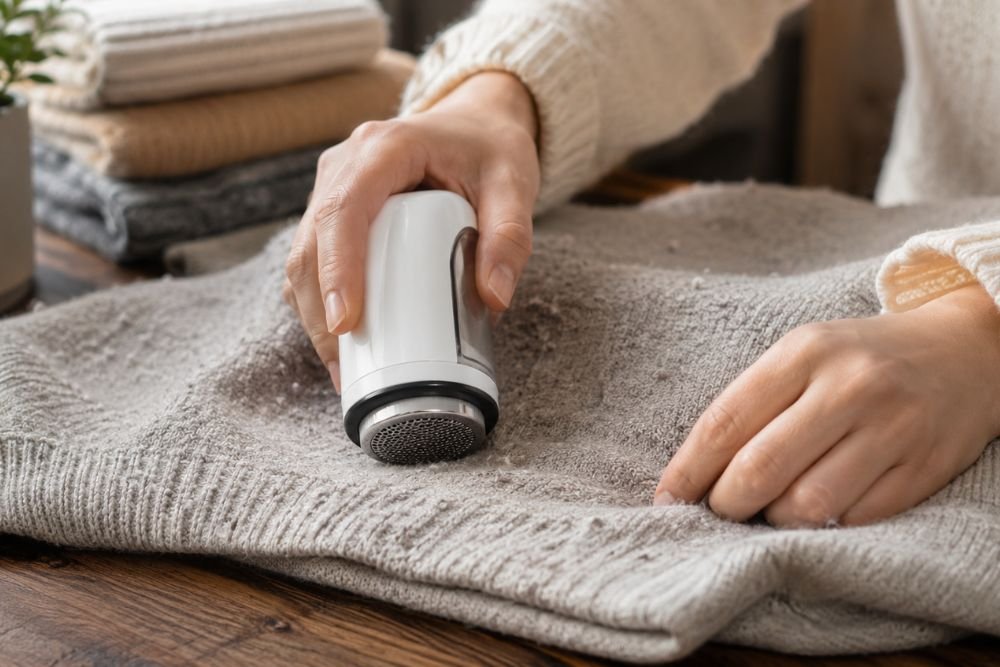
The safest way to remove pilling from clothes is to use an electric fabric shaver on flat, stable surfaces or gently remove pills with a single-blade razor for tighter fabrics. Always avoid pressing too hard, test delicate materials first, and follow fabric-specific care methods to prevent damage.
Fabric pilling can make even a high-quality wardrobe piece look tired, but those tiny fuzz balls do not always mean your clothes are ruined. With the right technique, you can restore sweaters, leggings, coats, and knitwear without weakening the fabric.
The key is removing only the loose surface fibers while protecting the original structure of the garment.
What Is Fabric Pilling and Why Does It Happen?
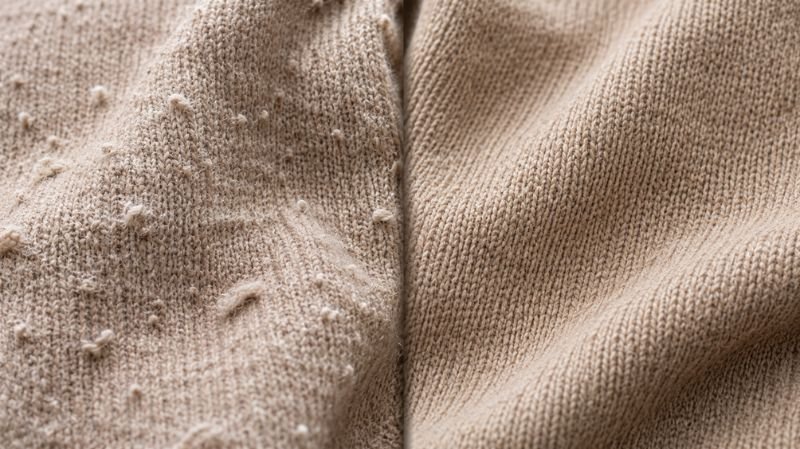
Fabric pilling is the formation of small fiber balls, often called “pills,” on the surface of clothing. These clusters appear when loose fibers break away from the fabric, become tangled, and attach themselves into visible balls caused by friction.
Unlike stains or permanent wear, pilling is usually a surface-level issue. A properly treated garment can often look significantly newer after careful depilling.
What Causes Clothes to Develop Pills?
The primary cause of pilling is repeated friction. Every time fabric rubs against another surface, small fibers loosen and eventually gather together.
Common sources of friction include:
- Washing machines creating fabric-on-fabric rubbing
- Handbags or backpacks rubbing against sweaters
- Seat belts rubbing against coats and jackets
- Thigh friction causing leggings pilling
- Layering rough fabrics over soft knitwear
- Repeated washing and drying cycles
A sweater worn under a winter coat, for example, experiences constant movement between two surfaces. Over time, those tiny fibers twist together and create visible sweater pills around areas like the elbows, underarms, and sides.
Which Fabrics Are Most Likely to Pill?
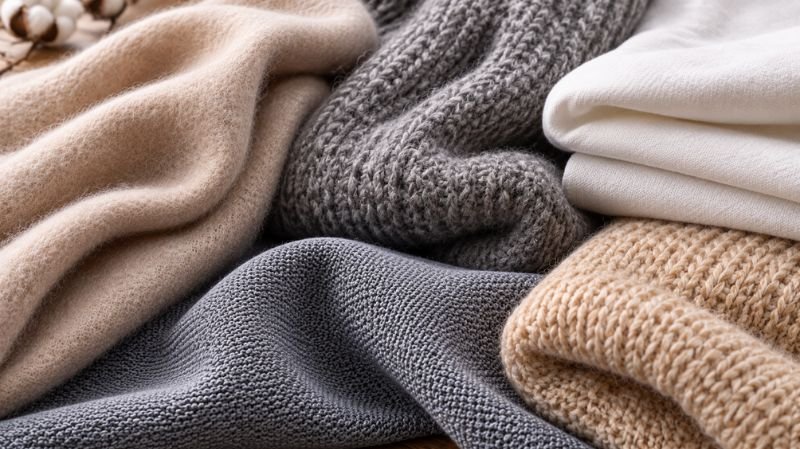
Not all fabrics pill equally. Fiber length, fabric construction, and material strength determine how easily pills form.
Fabrics That Commonly Develop Pilling
| Fabric Type | Pilling Risk | Why It Happens |
| Acrylic | High | Short synthetic fibers easily break and collect |
| Polyester blends | High | Strong fibers hold pills tightly to fabric |
| Wool | Medium to High | Natural fibers loosen through friction |
| Cashmere | Medium | Extremely soft fibers can separate |
| Cotton | Low to Medium | Depends on fiber length and weave |
| Linen | Low | Strong natural fibers resist surface fuzz |
Synthetic fabrics such as acrylic and polyester are especially prone to visible pilling because their strong fibers do not easily break away. Instead, they remain attached, creating durable little fiber balls.
High-quality natural fibers can also pill, especially soft materials like cashmere and merino wool. Pilling is not always a sign of poor quality; it is often a sign that loose fibers are naturally migrating to the surface.
How to Remove Pilling from Clothes Without Damaging Fabric
The best depilling method depends on the fabric type, the severity of the pilling, and the tools available.
A delicate cashmere sweater requires a different approach than a cotton hoodie or polyester leggings.
Quick Comparison: Best Ways to Remove Fabric Pills
| Method | Best For | Safety Level | Time Required |
| Electric Fabric Shaver | Sweaters, coats, leggings, knitwear | High when used correctly | Fast |
| Single-Blade Razor | Tight knits, budget-friendly fixes | Medium | Moderate |
| Sweater Comb | Thick wool fabrics | Medium | Slow |
| Sweater Stone | Heavy fabrics, coats | Medium | Moderate |
| Fabric Brush | Loose surface fibers | Very High | Quick maintenance |
| Scissors | Small problem areas | Very High | Slow |
For most wardrobes, an electric fabric shaver provides the best balance between speed and safety. However, technique matters more than the tool itself.
What Is the Safest Way to Remove Pilling from Sweaters?
The safest way to remove pilling from sweaters is to use a fabric shaver or sweater comb designed for clothing care. Lay the sweater flat, gently smooth the fabric, and remove pills with controlled movements instead of aggressive scraping.
Sweaters are especially vulnerable because their fibers are often softer and more loosely structured.
How to Remove Pilling from Sweaters Using an Electric Fabric Shaver
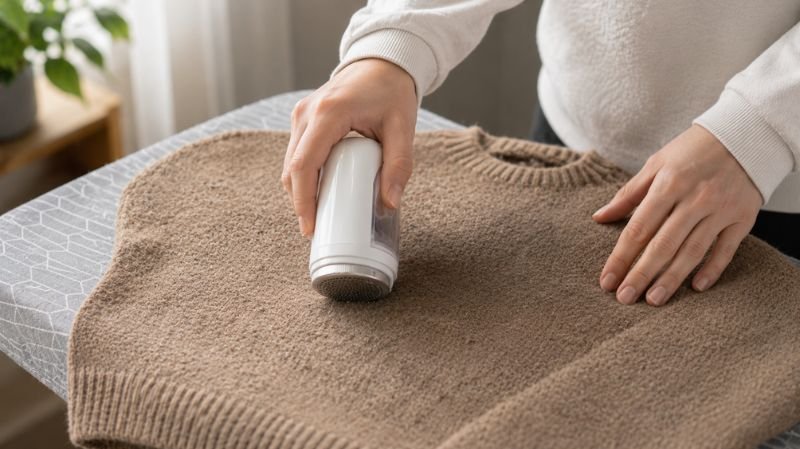
An electric fabric shaver is one of the most effective tools for restoring sweaters because it trims surface pills without requiring excessive pressure.
Follow these steps:
1. Place the Sweater on a Flat Surface
Avoid holding the sweater in your hands while shaving.
A stretched fabric surface can expose hidden fibers and increase the risk of cutting the garment.
Good surfaces include:
- A clean table
- An ironing board
- A firm bed surface
2. Inspect for Loose Threads
Before using the device, check for:
- Pulled yarn
- Loose stitching
- Snagged fibers
Cut only loose threads carefully with small scissors. Do not pull them, as this can create holes.
3. Move the Shaver Slowly Across the Fabric
Use gentle, straight movements.
Avoid:
- Pressing down heavily
- Going repeatedly over the same area
- Using the tool on wet fabric
The goal is to remove pills, not shave away healthy fibers.
4. Clean the Tool Regularly
A full collection chamber or clogged blades can reduce performance and increase pulling.
Empty the container after each use and follow the manufacturer’s cleaning instructions.
Can You Use a Razor to Remove Pilling from Clothes?
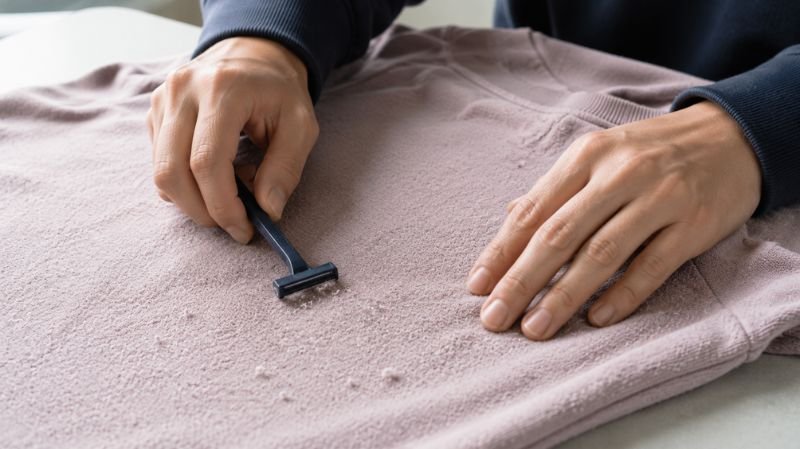
Yes, a single-blade razor can remove pilling from clothes when used carefully. It is an inexpensive alternative to an electric depiller, but it requires more patience and control.
A razor works best on:
- Cotton hoodies
- Tighter knit sweaters
- Smooth fabrics
- Small areas of pilling
Avoid using razors on:
- Loose chunky knits
- Delicate cashmere
- Open-weave fabrics
How to Remove Pilling with a Razor Safely
- Choose a simple single-blade razor without moisturizing strips.
- Place the garment completely flat.
- Hold the fabric slightly firm without stretching it.
- Use short, gentle strokes in one direction.
- Remove loosened fibers with a lint roller.
A common mistake is treating the razor like a shaving tool for skin. Clothing requires much lighter pressure.
How Does an Electric Fabric Shaver Compare With Manual Methods?
Electric fabric shavers have become popular because they make garment maintenance faster and more consistent.
A fashion editor’s wardrobe often includes multiple knitwear pieces, and manually removing pills from every sweater can take considerable time.
Why Fashion Experts Prefer Fabric Shavers
Professional stylists and wardrobe specialists often recommend fabric shavers because they:
- Refresh older garments quickly
- Work on multiple fabric types
- Reduce visible wear before important events
- Extend the usable life of clothing
A 2021 study published in the Journal of Textile Science & Engineering noted that repeated mechanical abrasion is one of the major contributors to textile surface changes, including pilling. This reinforces why reducing friction and using controlled removal methods are important parts of garment care.
The Fashion History Behind Fabric Pilling and Garment Care
Pilling became more widely discussed during the rise of mass-produced clothing in the 20th century.
Earlier handmade garments often used longer natural fibers and slower production methods. As synthetic fibers like polyester and acrylic became popular after the 1950s, manufacturers gained affordable materials with durability and easy care—but some synthetic blends were more likely to develop visible pills.
Modern fashion has shifted toward a balance between convenience and longevity. Today, clothing experts increasingly focus on garment maintenance, repair, and extending the life cycle of existing pieces rather than replacing them quickly.
The growing interest in sustainable fashion has also made tools like fabric shavers and repair techniques more common among style-conscious consumers.
How to Remove Pilling From Different Clothing Areas
Pilling does not appear randomly. It usually develops where clothing experiences repeated movement.
Common Problem Areas
Sweater Sleeves and Elbows
Constant contact with desks, tables, and armrests creates friction.
Underarms
Movement between layers causes fibers to rub together.
Leggings and Pants
Leggings pilling often happens because of repeated stretching, washing friction, and contact between the inner thighs.
Coat Front Panels
Handbags, seat belts, and jackets rubbing together commonly create pills.
Understanding where pilling happens helps you prevent it before the fabric becomes heavily affected.
How to Remove Pilling From Different Types of Fabrics Without Causing Damage
Not every garment should be treated the same way. The biggest mistake people make when removing pilling is using a single technique on every material.
A heavy cotton hoodie, delicate cashmere sweater, and stretchy leggings all respond differently to friction. The safest approach is matching your depilling method to the fabric structure.
How Do You Remove Pilling From Cashmere Without Damaging It?
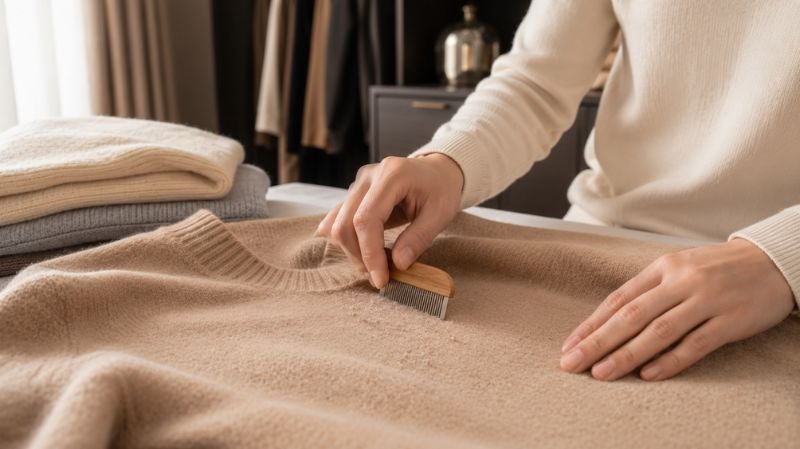
Cashmere requires a gentle approach because its ultra-soft fibers are naturally fine and delicate. The goal is to remove loose pills while keeping the smooth texture that makes cashmere valuable.
The safest methods for cashmere include:
- A specialized cashmere comb
- A gentle fabric shaver on the lowest setting
- Hand removal of larger pills
Avoid aggressive tools such as rough sweater stones because they can pull healthy fibers from the surface.
Cashmere Depilling Method
- Place the cashmere garment flat on a clean surface.
- Check for loose fibers before removing pills.
- Use very light pressure.
- Move slowly in one direction.
- Stop once the surface looks smooth.
A small amount of pilling is actually normal for premium cashmere. During the first few wears, excess loose fibers naturally migrate to the surface. After those fibers are removed, many garments pill less frequently.
How Do You Remove Pilling From Wool Sweaters?
Wool sweaters are among the most common garments affected by pilling because wool fibers naturally have surface scales that can interlock when exposed to friction.
The best options include:
- Electric fabric shavers
- Wool combs
- Gentle brushing
For chunky wool sweaters, a sweater comb can work well because the thicker structure is less likely to be damaged.
For merino wool or fine knit sweaters, use a gentler fabric shaver setting.
Wool Sweater Care Tip
Never remove pills immediately after washing while the fabric is damp.
Wet fibers are more vulnerable to stretching and distortion. Allow wool garments to dry completely before depilling.
How Do You Remove Pilling From Cotton Clothes?
Cotton usually pills less than synthetic fabrics, but lower-quality cotton blends can still develop surface fuzz.
Cotton garments respond well to:
- Electric fabric shavers
- Lint rollers
- Gentle razor methods
Common cotton items that may pill include:
- Sweatshirts
- T-shirts
- Joggers
- Cotton cardigans
A tightly woven cotton shirt may only need occasional lint removal, while a brushed cotton sweatshirt may require regular maintenance.
How Do You Remove Pilling From Polyester and Synthetic Fabrics?
Synthetic fabrics often create stubborn pills because the fibers are strong and remain attached after breaking.
Common synthetic materials include:
- Polyester
- Acrylic
- Nylon blends
- Spandex blends
For these fabrics, an electric fabric shaver is usually the most effective option.
Because synthetic pills can be tightly attached, avoid pulling them by hand. Pulling can create uneven areas and damage the fabric surface.
How Do You Remove Pilling From Leggings?
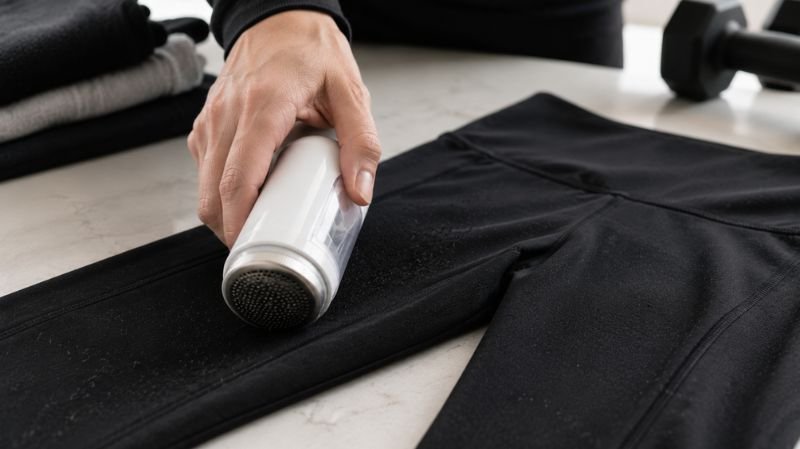
Leggings require special attention because their stretchy fibers experience constant tension and friction.
Leggings pilling commonly appears around:
- Inner thighs
- Waistbands
- Seat area
- Knees
The main causes include:
- Frequent washing
- High-friction workouts
- Rough towels
- Fabric softeners that affect elasticity
- Wearing rough outer layers
Best Method for Removing Leggings Pilling
Use:
- A fabric shaver designed for delicate fabrics.
- Light pressure across the surface.
- Slow movements around seams and stretchy areas.
Avoid pressing hard because removing too much surface fiber can affect the fabric’s flexibility.
How Do You Remove Pilling From Fleece Clothing?
Fleece is a soft synthetic fabric that can develop pills over time, especially after frequent washing.
The safest approach:
- Use a fabric brush first.
- Follow with a fabric shaver if needed.
- Wash fleece inside out afterward.
Avoid rough scraping tools because fleece fibers are intentionally raised to create softness.
What Are the Biggest Mistakes People Make When Removing Pilling?
Removing pills incorrectly can create more damage than the original problem.
Many clothing repairs fail because people focus only on removing visible fuzz rather than protecting the fabric underneath.
1: Pressing Too Hard
A fabric shaver removes surface pills through controlled contact.
Too much pressure can:
- Cut healthy fibers
- Thin the fabric
- Create weak spots
Think of depilling as grooming the fabric, not shaving it aggressively.
2: Using the Wrong Tool for Delicate Fabrics
A sweater stone may work on a thick wool coat but damage lightweight knitwear.
Always consider:
- Fiber softness
- Fabric thickness
- Garment construction
3: Pulling Pills by Hand
Large pills may seem easy to remove manually, but pulling creates tension.
This can:
- Stretch fibers
- Disturb the knit structure
- Create tiny holes
Cut stubborn pills carefully instead.
4: Depilling Too Frequently
Fabric does not need constant shaving.
Removing pills after every single wear can unnecessarily affect the garment surface.
A better approach is seasonal maintenance or when visible pilling affects appearance.
How Can You Prevent Clothes From Pilling in the First Place?
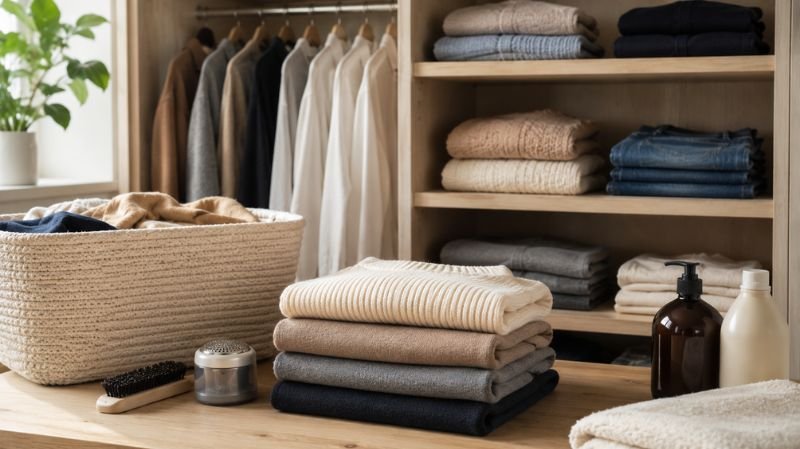
The best way to manage fabric pilling is preventing excessive friction before pills form.
No method can guarantee zero pilling because fiber movement is a natural part of clothing wear. However, good garment habits can significantly reduce it.
What Washing Habits Help Prevent Fabric Pilling?
Laundry practices have a major impact on clothing lifespan.
Wash Clothes Inside Out
Turning garments inside out reduces direct friction on the visible surface.
This is especially useful for:
- Sweaters
- Leggings
- Hoodies
- Printed clothing
Use Cold Water and Gentle Cycles
Hot water and aggressive washing cycles increase fiber movement.
A gentler routine helps preserve fabric structure.
Recommended approach:
- Cold or cool water
- Mild detergent
- Gentle cycle
- Lower spin speed when possible
Avoid Overloading the Washing Machine
Crowded machines create more rubbing between garments.
A smaller load allows clothing to move more freely without excessive abrasion.
Skip the Dryer When Possible
High dryer heat can weaken fibers and increase friction.
Better options:
- Air drying
- Flat drying sweaters
- Hanging lightweight garments
For knitwear, flat drying helps maintain shape and reduces stretching.
What Fabric Choices Help Prevent Pilling?
Fabric selection plays a major role before clothing even enters your wardrobe.
Higher Pilling Resistance Materials
Generally, these fabrics perform better:
- Long-staple cotton
- High-quality wool
- Linen
- Dense woven fabrics
Fabrics More Likely to Pill
These often require more maintenance:
- Acrylic
- Low-quality polyester blends
- Short-fiber fleece
- Loose synthetic knits
However, fabric quality depends on construction, not only material type.
A well-made polyester garment may outperform a poorly constructed natural-fiber garment.
How Do Fashion Experts Maintain Clothing Longevity?
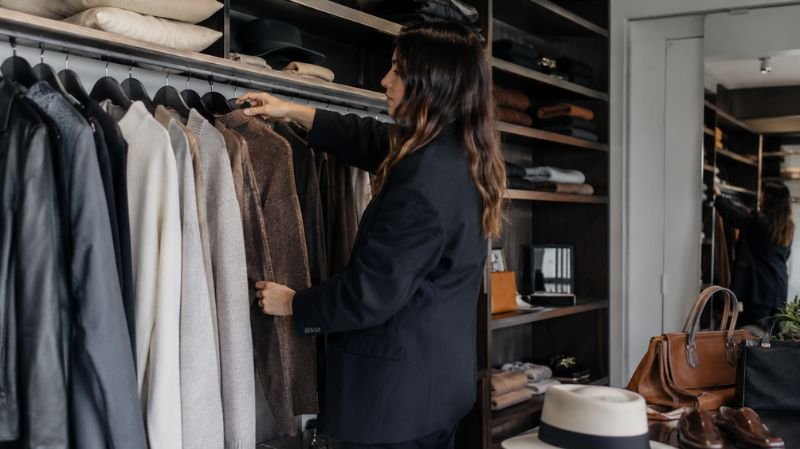
Professional stylists and wardrobe consultants often treat clothing care as part of personal style, not just maintenance.
A polished appearance depends on details:
- Clean silhouettes
- Smooth fabrics
- Proper garment storage
- Regular repairs
Fashion experts often recommend a “wardrobe reset” routine every few months:
The 15-Minute Garment Check
- Inspect frequently worn pieces.
- Remove visible pills.
- Repair loose threads.
- Wash according to fabric needs.
- Store properly.
This small habit prevents minor issues from becoming permanent damage.
A Fashion Expert Framework: The 3-Step Depilling Rule
For consistently better results, follow this simple framework:
Step 1: Identify
Ask:
- What fabric is this?
- Where is the pilling located?
- Is the fabric delicate?
Step 2: Select
Choose the correct tool:
- Electric shaver → most everyday garments
- Comb → thicker knits
- Scissors → isolated pills
- Brush → loose surface fibers
Step 3: Protect
After removing pills:
- Wash gently
- Reduce friction
- Store correctly
Removing pilling is only half the solution. Preventing future damage keeps clothing looking expensive.
Real-Example: Restoring a Favorite Sweater
A common situation many wardrobe professionals encounter is a cashmere-blend sweater that looks worn after one winter season.
The sweater may not actually be damaged—it may simply have surface pilling around the sleeves and sides from coat friction.
A careful restoration process would involve:
- Checking the garment label.
- Removing pills with a gentle fabric shaver.
- Washing with cold water.
- Drying flat.
- Storing folded instead of hanging.
The result is often a smoother, more polished appearance without replacing the garment.
How Does Removing Pilling Support Sustainable Fashion?
Extending the life of existing clothing reduces unnecessary replacement.
According to the United Nations Environment Programme (UNEP), the fashion industry has significant environmental impacts throughout production, consumption, and disposal stages. Caring for garments longer is one practical way consumers can reduce waste.
Proper maintenance supports a more sustainable wardrobe by helping people:
- Buy fewer replacement items
- Keep favorite garments longer
- Repair instead of discard
- Make better purchasing decisions
A fabric shaver may seem like a small tool, but it represents a larger shift toward thoughtful clothing ownership.
Final Thoughts
Learning how to remove pilling is one of the simplest ways to extend the life of your wardrobe. Those small fiber balls may make clothing look worn, but they often represent surface-level changes rather than permanent damage.
The best approach is not aggressive removal—it is thoughtful maintenance.
For everyday garments, an electric fabric shaver provides the easiest balance between speed and safety. For delicate pieces like cashmere and fine wool, slower methods with gentle tools are usually the better choice.
A well-maintained wardrobe is built through small habits:
- Removing pills before they become severe.
- Washing garments according to fabric needs.
- Reducing unnecessary friction.
- Investing in quality pieces and caring for them properly.
Fashion is not only about buying new clothes. It is also about making the pieces you already own look their best.
A few minutes of proper garment care can transform a tired sweater, restore confidence in your favorite outfit, and help your wardrobe last significantly longer.
Ready to refresh your favorite pieces? Start with one garment today—inspect it, choose the right depilling method, and bring back the polished look your clothes deserve.
Frequently Asked Questions
What Is the Fastest Way to Remove Pilling From Clothes?
The fastest way to remove pilling from clothes is by using an electric fabric shaver, which quickly removes surface pills from sweaters, coats, leggings, and knitwear.
How Do You Remove Pilling From Sweaters Without Ruining Them?
Remove sweater pills safely by using a gentle fabric shaver or sweater comb on a flat surface with light pressure to avoid damaging delicate fibers.
Why Do Expensive Clothes Still Get Pilling?
Expensive clothes can still pill because friction, fiber type, fabric construction, and wear habits—not price alone—determine how easily pills form.
Can a Fabric Shaver Damage Clothes?
A fabric shaver will not damage clothes when used correctly, but excessive pressure, dull blades, or improper use can weaken delicate fabrics.
Is It Safe to Use a Razor to Remove Sweater Pills?
A single-blade razor can safely remove sweater pills when used carefully on flat, stable fabric with gentle strokes and minimal pressure.
How Do You Prevent Clothes From Pilling After Washing?
Prevent clothes from pilling by washing garments inside out, using cold water and gentle cycles, avoiding overloading, and reducing dryer heat.
Why Do My Leggings Keep Pilling?
Leggings pill because stretchy fabrics experience repeated friction from movement, workouts, washing, and contact between fabric surfaces.
Can Fabric Pilling Be Removed Permanently?
Fabric pilling cannot be removed permanently because friction naturally affects clothing over time, but proper care can greatly reduce future pilling.
Does Fabric Softener Stop Clothes From Pilling?
Fabric softener does not completely prevent pilling; gentle washing, reduced friction, and proper fabric care are more effective solutions.
When Should You Replace a Garment Instead of Removing Pills?
Replace a garment when pilling is combined with holes, thinning fabric, broken seams, or structural damage rather than surface-level fuzz.