
Skincare experts generally agree that facials can support skin health, but the ideal frequency is not universal. It depends on how quickly your skin renews itself, how reactive your skin barrier is, and what type of facial is being performed.
In dermatology, the skin’s natural cell turnover is typically around 28–40 days in younger adults and slows with age. This is why many professional treatments are spaced in cycles rather than weekly. Most people see the best balance of results and skin stability with facials every 4–6 weeks, but this can shift significantly based on skin condition and treatment intensity.
Quick Answer:
- Normal skin: Every 4–6 weeks
- Oily or acne-prone skin: Every 2–4 weeks
- Dry skin: Every 4–6 weeks
- Sensitive skin: Every 6–8 weeks
- Anti-aging treatments: Every 4–6 weeks
- Hydrating facials: Monthly or as needed
If you’re wondering how often you should get facials, how often should I get a facial, how often should you have a facial, or how often to get a facial, the answer depends on your individual skin goals rather than a one-size-fits-all schedule.
Comparison Table: Recommended Facial Frequency by Skin Type
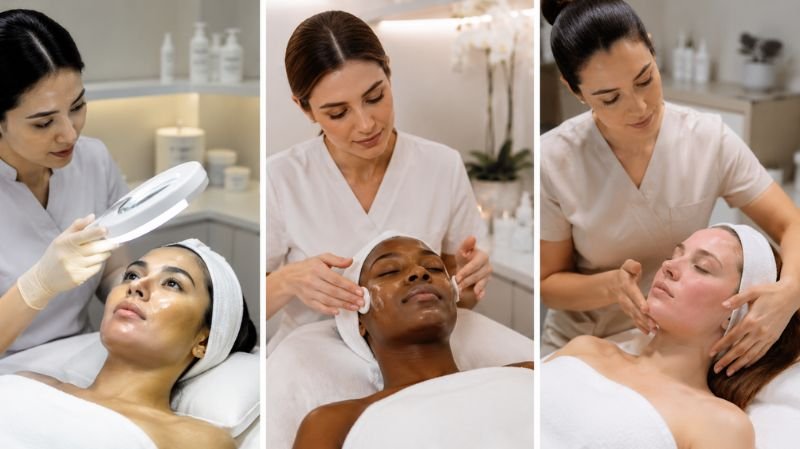
| Skin Type | Recommended Frequency | Main Goal |
| Normal Skin | Every 4–6 Weeks | Maintenance |
| Oily Skin | Every 2–4 Weeks | Control Oil & Congestion |
| Acne-Prone Skin | Every 2–4 Weeks | Reduce Breakouts |
| Dry Skin | Every 4–6 Weeks | Improve Hydration |
| Sensitive Skin | Every 6–8 Weeks | Prevent Irritation |
| Mature Skin | Every 4–6 Weeks | Anti-Aging Benefits |
| Combination Skin | Every 4–6 Weeks | Balance Skin Health |
Why Does Facial Frequency Matter?
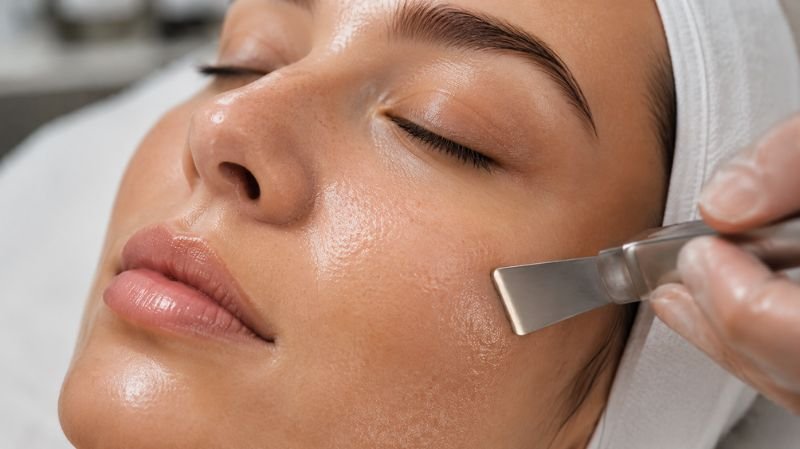
Facials work best when aligned with the skin’s natural regeneration cycle rather than performed randomly.
Your skin continuously sheds dead cells while producing new ones underneath. However, this process can become uneven due to:
- Aging
- Pollution exposure
- Stress and hormonal changes
- Harsh skincare routines
Professional facials help reset this cycle by improving surface renewal efficiency.
Clinically, properly spaced facials may support:
- Controlled exfoliation without barrier damage
- Reduced pore congestion over time
- Better absorption of active skincare ingredients
- Improved surface texture and smoothness
- More stable hydration levels
What Exactly Is a Facial?
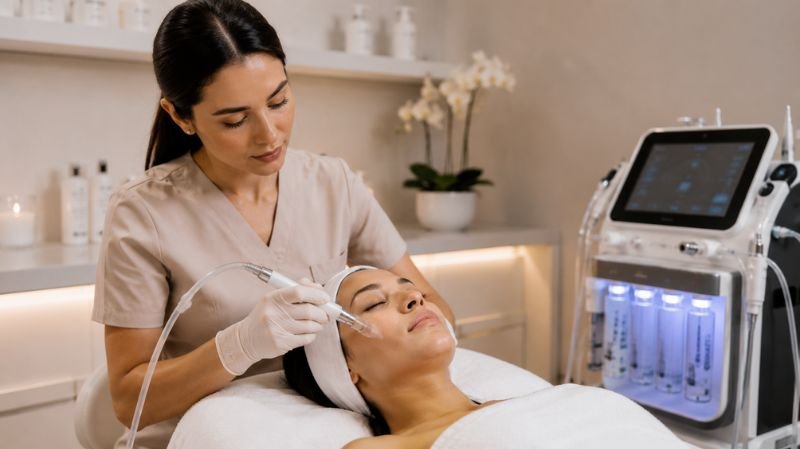
A facial is a structured, multi-step professional skin treatment designed to improve skin function and appearance through controlled cleansing, exfoliation, and nourishment.
Unlike home skincare, facials use higher-concentration actives and professional tools that allow deeper but controlled skin stimulation.
Most professional facials include:
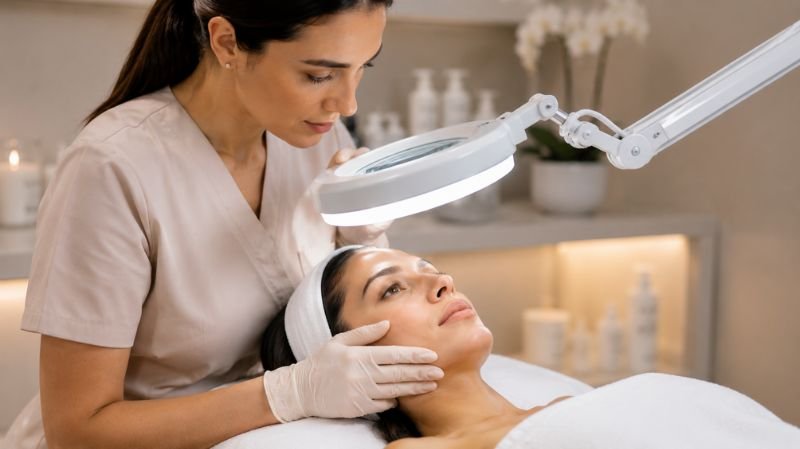
- Skin analysis under magnification
- Deep cleansing to remove oil and debris
- Mechanical or enzymatic exfoliation
- Optional extractions for clogged pores
- Targeted mask therapy based on skin needs
- Active serums with higher penetration delivery
- Massage or device-based stimulation
- Barrier repair and sun protection
Modern dermatology-based facials often combine cosmetic and clinical techniques depending on skin tolerance.
What Are the Benefits of Getting Regular Facials?

Improved Skin Hydration
One of the most immediate benefits of a professional facial is increased hydration.
Hydrated skin typically appears:
- Brighter
- Plumper
- Smoother
- More youthful
Professional-grade moisturizing treatments can often penetrate more effectively than standard at-home products.
Better Pore Health
Clogged pores are a major contributor to:
- Blackheads
- Whiteheads
- Acne breakouts
Professional extractions performed by trained estheticians can safely remove buildup that would otherwise remain trapped beneath the skin’s surface.
Increased Circulation
Many facial treatments include massage techniques that stimulate blood flow.
Improved circulation may help:
- Deliver oxygen to skin cells
- Support collagen production
- Promote healthy skin function
- Create a temporary glow
Enhanced Product Absorption
Dead skin buildup acts as a barrier.
After professional exfoliation, your skincare products may absorb more effectively, maximizing the value of your home routine.
Long-Term Anti-Aging Support
Consistent facial treatments can support:
- Collagen production
- Skin elasticity
- Texture improvement
- Reduction of fine lines
While facials won’t stop aging, they can help maintain healthier-looking skin over time.
How Often Should You Get a Facial Based on Your Skin Type?
Normal Skin
Balanced skin typically requires maintenance rather than correction.
Recommended: every 4–6 weeks
Oily Skin
Oil production can clog pores quickly, especially in humid climates or during hormonal fluctuations.
Recommended: every 2–4 weeks
Acne-Prone Skin
Frequency depends on severity. In active phases, closer intervals help control inflammation.
Recommended: every 2–3 weeks initially, then spacing out
Dry Skin
Dry skin benefits more from hydration-focused facials than aggressive exfoliation.
Recommended: every 4–6 weeks
Sensitive Skin
The skin barrier is easily disrupted, so longer recovery time is essential.
Recommended: every 6–8 weeks
Combination Skin
Requires balanced treatment across different facial zones.
Recommended: every 4–6 weeks
How Often Should You Get a Facial Based on Your Age?

In Your 20s
Focus is prevention, not correction. Skin recovers quickly at this stage.
Recommended: every 6–8 weeks
In Your 30s
Early collagen decline and uneven tone may begin to appear.
Recommended: every 4–6 weeks
In Your 40s
Skin renewal slows, and hydration retention decreases.
Recommended: every 4–6 weeks
50s and Beyond
Barrier support and moisture maintenance become priority.
Recommended: every 4 weeks
Authority Insight
Dermatology guidance consistently emphasizes that long-term skin health depends more on daily habits than professional treatments alone.
Core principles include:
- Daily broad-spectrum sunscreen use
- Gentle cleansing without barrier damage
- Consistent hydration support
- Minimal over-exfoliation
Facials act as an enhancement layer—not the foundation—of skin health.
Real-Life Example: Why One Person May Need More Facials Than Another
Two individuals with very different skin conditions may require different schedules:
Example 1: Maintenance Skin
A person with balanced skin and a stable routine may only need facials every 5–6 weeks to maintain results.
Example 2: Active Acne Skin
A person dealing with recurring breakouts may initially benefit from shorter cycles (every 2–3 weeks) until inflammation is controlled.
This is why standardized schedules often fail in real-world skincare.
Can You Get Facials Too Often?
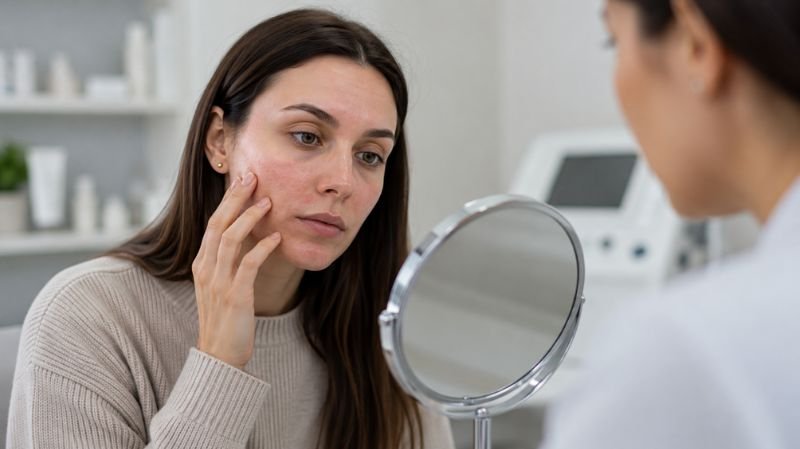
Yes. While professional facials can significantly improve skin health, excessive treatments can disrupt the skin barrier and create new problems. Many people assume that if one facial is beneficial, getting more facials must be even better. Unfortunately, skincare doesn’t work that way. Your skin needs time to recover between treatments.
Over-treating can lead to:
- Increased sensitivity
- Redness
- Irritation
- Excessive dryness
- Inflammation
- Compromised skin barrier
- Unexpected breakouts
This is especially true when treatments involve strong exfoliation or active ingredients.
How Often Should Brides Get Facials Before a Wedding?
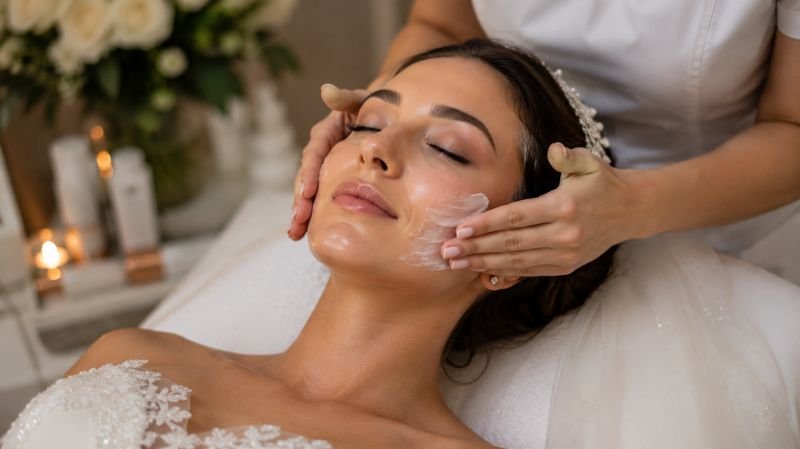
A structured timeline works best:
- 6 months before: Focus on acne, texture, pigmentation correction
- 3 months before: Stabilization and refinement
- 1 month before: Hydration and glow maintenance
- 1 week before: Only gentle, familiar treatments
Avoid introducing new aggressive treatments close to the event.
Professional Facials vs At-Home Facials: Which Is Better?
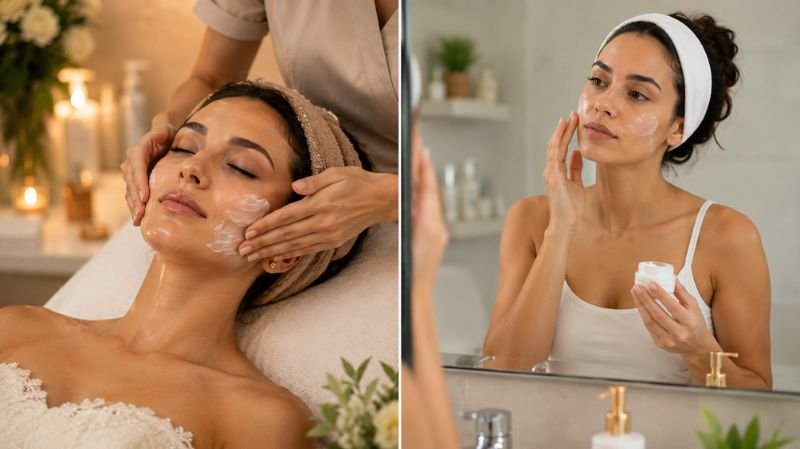
Professional Facials
- Controlled deep exfoliation
- Clinical-strength ingredients
- Expert skin assessment
- Device-based treatments
At-Home Care
- Daily barrier maintenance
- Long-term consistency
- Preventive care
Best Results
The most effective skincare systems combine both:
professional correction + daily maintenance.
What Happens During a Professional Facial?
Although treatments vary, most appointments follow a similar structure.
Step 1: Skin Analysis
The esthetician examines your skin condition and concerns.
Step 2: Cleansing
Impurities, oil, and makeup are removed.
Step 3: Exfoliation
Dead skin cells are gently removed.
Step 4: Extractions
Blackheads and congestion may be cleared.
Step 5: Treatment Phase
This may include:
- Masks
- Serums
- Chemical exfoliation
- LED therapy
- Massage
Step 6: Hydration and Protection
The treatment concludes with:
- Moisturizer
- Sunscreen
- Post-care recommendations
What Are the Biggest Facial Mistakes People Make?
Common errors include:
- Over-scheduling treatments too frequently
- Using strong actives immediately after facials
- Ignoring sunscreen post-treatment
- Expecting immediate permanent results
- Mixing too many aggressive procedures
Skincare progress depends on consistency, not intensity spikes.
Data-Backed Insight: Why Consistency Beats Intensity
Clinical dermatology consensus shows that gradual, repeated interventions produce more stable long-term improvements than aggressive one-time treatments.
This applies to:
- Acne management
- Pigmentation improvement
- Anti-aging maintenance
- Texture refinement
Facials should be viewed as part of a long-term skin maintenance system.
How Can You Maintain Facial Results Between Appointments?
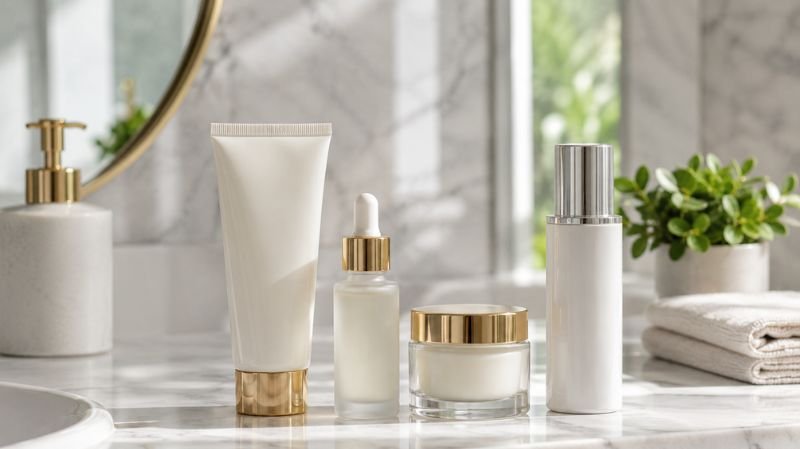
Keep a Minimal but Consistent Routine
- Gentle cleanser
- Moisturizer
- Daily SPF
- One active ingredient (if tolerated)
Sunscreen Is Non-Negotiable
UV exposure is the leading cause of premature aging and pigmentation recurrence.
Maintain Hydration
Internal hydration supports barrier repair and post-treatment recovery.
Follow Post-Facial Instructions
Ignoring aftercare can significantly reduce treatment benefits.
What Should You Avoid After a Facial?
For 24–48 hours:
- Heat exposure (sauna, steam, hot showers)
- Retinol or exfoliating acids
- Direct sun exposure
- Touching or picking the skin
This allows the barrier to stabilize after controlled exfoliation.
Are Monthly Facials Worth It?
For most skin types, yes—especially when targeting acne, aging, or uneven texture.
Monthly facials help maintain consistency, allow professional monitoring, and prevent buildup of recurring skin issues.
Benefits of Monthly Facials
Regular monthly treatments may help:
- Maintain hydration
- Reduce congestion
- Improve skin texture
- Support collagen production
- Promote consistent skin health
Monthly facials also allow estheticians to monitor your skin and adjust treatments as needed.
Final Thoughts
Facials are most effective when treated as part of a structured skincare cycle rather than isolated treatments. For most individuals, a 4–6 week interval provides the optimal balance between improvement and skin barrier recovery.
Consult with a licensed esthetician or dermatologist to determine the ideal treatment frequency based on your skin type, concerns, and goals. A customized skincare plan can help you maximize results, avoid unnecessary treatments, and achieve healthier-looking skin faster.
Start by evaluating your current routine, identifying your primary skin concerns, and scheduling a professional skin assessment. Your healthiest skin may be just one appointment away.
Frequently Asked Questions
1. How often should you get a facial?
Most skincare experts recommend getting a facial every 4–6 weeks because this aligns with the skin’s natural renewal cycle. However, frequency may vary depending on skin type and concerns.
2. Is getting a facial every month good for your skin?
Yes. Monthly facials are beneficial for many people because they help maintain hydration, reduce congestion, and support healthy skin turnover.
3. Can you get facials too often?
Yes. Excessive treatments can damage the skin barrier, causing redness, irritation, sensitivity, and dryness. Recovery time between treatments is important.
4. How often should acne-prone skin get a facial?
People with acne-prone skin often benefit from treatments every 2–4 weeks initially, followed by monthly maintenance sessions.
5. How long do facial results last?
Most facial results last between two and six weeks, depending on the treatment type, skincare routine, and individual skin condition.
6. Should you get a facial before a wedding?
Yes. Experts often recommend starting treatments six months before the wedding and continuing monthly for the best results.
7. What is the best facial for anti-aging?
Popular anti-aging options include HydraFacial, microcurrent facials, microneedling, LED light therapy, and collagen-supporting treatments.
8. How often should men get facials?
Men generally benefit from the same schedule as women, every 4–6 weeks though oily or acne-prone skin may require more frequent visits.
9. Are professional facials worth the money?
Professional facials can be worthwhile because they provide deep cleansing, advanced treatments, customized care, and access to professional-grade products.
10. What should you avoid after a facial?
Avoid excessive sun exposure, heavy exfoliation, retinol, hot environments, and picking at your skin for at least 24–48 hours after treatment.