A formal spring outfit combines elegant silhouettes, refined fabrics, and thoughtful accessories to create a polished look for weddings, professional events, graduations, and evening celebrations. The best choice depends on the event’s dress code, venue, weather, and your personal style, not simply the season’s latest trends.
From satin midi dresses and flowing evening gowns to tailored trousers and coordinated suits, spring formal attire offers plenty of ways to look sophisticated while staying comfortable.
Instant Answer: What should you wear to a formal spring event?
Choose a polished dress, elegant jumpsuit, tailored suit, or coordinated separates in a fabric and silhouette suited to the occasion. Pastels, floral prints, sophisticated neutrals, and deeper evening colors can all work well when paired with appropriate shoes, accessories, and lightweight outerwear.
What Is Spring Formal Attire?
Spring formal attire refers to dressy clothing selected for formal or semi-formal events held during spring. Depending on the invitation, it can range from a floor-length evening gown to a refined cocktail dress or a tailored pantsuit.
The phrase spring formal can also refer to a school dance or organized seasonal social event. In that context, the expected clothing depends on the school’s dress code and the event’s level of formality.
The most important distinction is that spring describes the season, while formal describes the expected level of dress. A floral dress may suit a garden celebration, but a black-tie gala generally calls for a more elevated ensemble.
Emily Post’s etiquette guidance distinguishes formal daytime wedding attire from formal evening attire and explains that black tie has its own expectations. Checking the invitation is therefore more reliable than choosing an outfit based on seasonal trends alone.
Elegant Formal Spring Outfit Ideas for Every Occasion
The easiest way to choose an outfit is to start with the event, then select a silhouette, fabric, and accessories that suit its setting. These outfit formulas offer a practical starting point for different formal occasions.
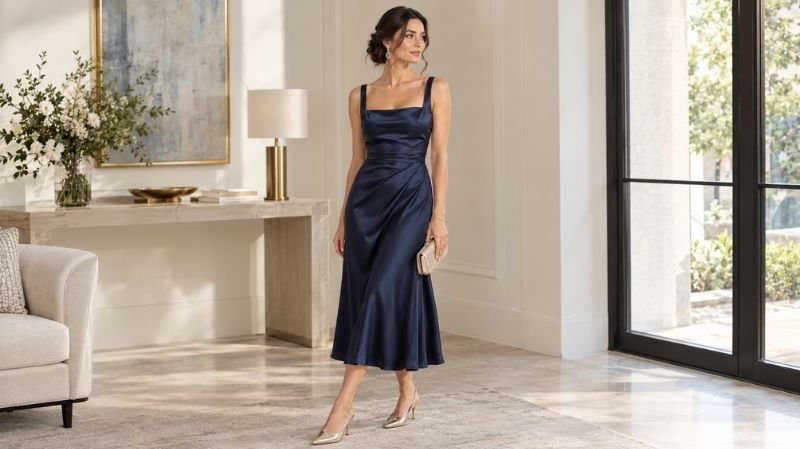
1. Satin Midi Dress With Slingback Heels
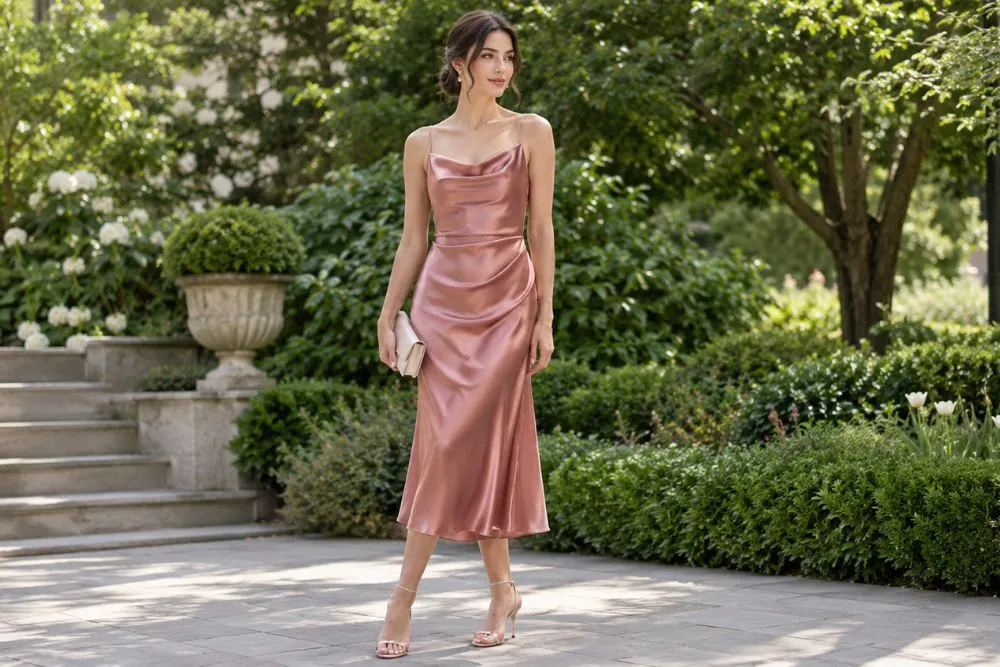
A satin midi dress creates a refined silhouette without the drama of a full-length gown. Choose a softly draped design in champagne, navy, dusty rose, sage, or another shade that suits your wardrobe.
Finish the look with slingback heels, a small structured handbag, and understated jewelry. This combination works particularly well for formal dinners, receptions, and cocktail events where a floor-length dress is not required.
2. Floral Maxi Dress With Delicate Accessories
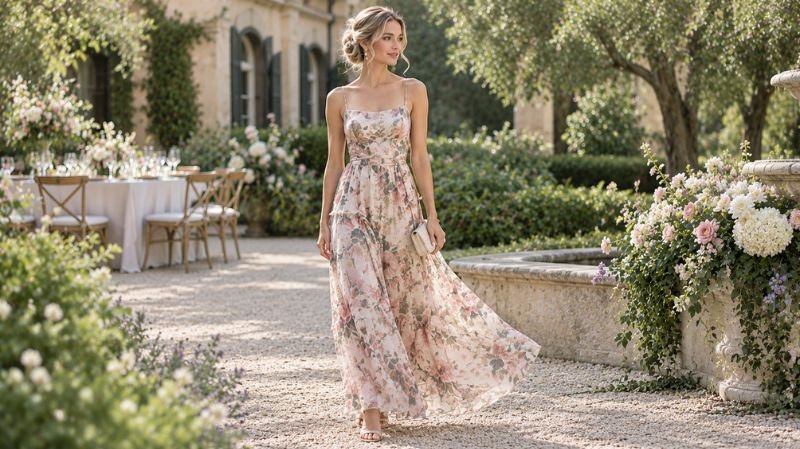
A floral maxi dress is a natural choice for a spring wedding, garden reception, or daytime celebration with an elegant dress code. Look for a balanced print, fluid fabric, and a silhouette that allows you to move comfortably.
Keep accessories relatively simple when the pattern is prominent. Metallic sandals, delicate earrings, and a coordinating clutch can complete the look without competing with the print.
For weddings, avoid assuming that every floral or pastel dress is appropriate; follow the invitation and respect the couple’s dress-code guidance.
3. Tailored Trousers With a Silk Blouse and Blazer
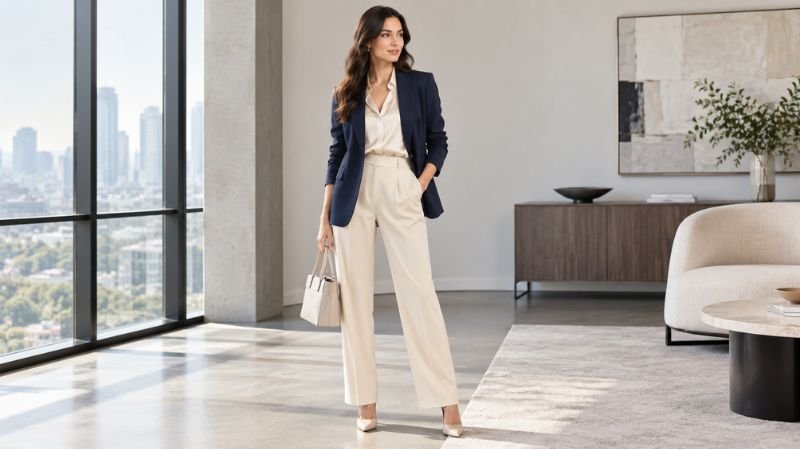
Formal spring outfits do not have to revolve around dresses. High-waisted tailored trousers, a refined blouse, and a well-fitted blazer create a sophisticated alternative for professional events and dressy gatherings.
Try cream trousers with a navy blazer, or tonal beige separates with a soft-colored blouse. Pointed-toe pumps or polished loafers can complete the outfit, depending on the occasion’s formality.
This formula is especially useful if you want clothing that can be worn again for work, presentations, and other professional commitments.
4. A-Line Gown for Traditional Formal Events
An A-line gown fits through the bodice and gradually widens toward the hem. Its balanced shape makes it a versatile option for formal receptions, evening celebrations, and events where a long dress is expected.
Choose a structured bodice for a more defined silhouette or a softly draped skirt for fluid movement. Crepe, chiffon, and satin can each create a different effect, depending on their weight and construction.
For a black-tie occasion, consider a floor-length version with refined accessories. For less formal events, a simpler design may be more practical and versatile.
5. Mermaid Gown for a Dramatic Evening Look
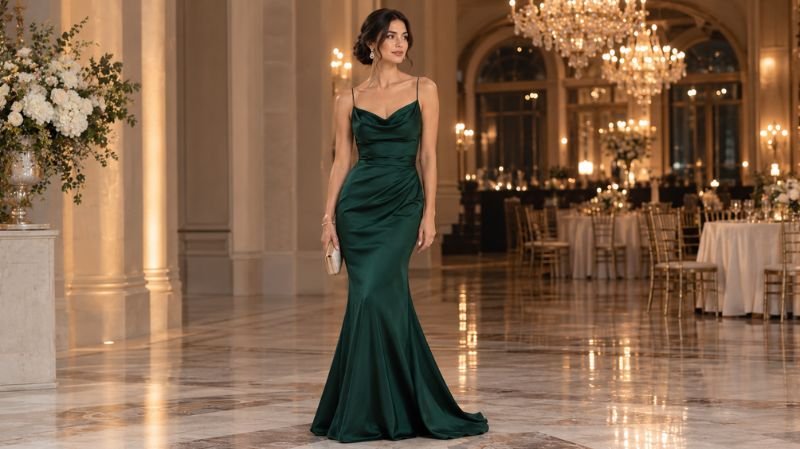
A mermaid gown follows the body through the torso and hips before flaring out lower down the skirt. Its sculptural shape makes a strong statement at formal evening events and glamorous receptions.
Look for a design that allows comfortable walking, sitting, and dancing. The fit around the knees and hips matters particularly because an overly restrictive skirt can make movement difficult.
Keep the rest of the outfit balanced with elegant heels, a compact clutch, and jewelry that complements the neckline.
6. Empire-Waist Dress for a Romantic Look
An empire-waist dress has a raised waistline positioned just below the bust, with the skirt falling from that point. Depending on the fabric and cut, it can create a soft, flowing silhouette suited to romantic spring celebrations.
Choose a chiffon design for light movement or a more structured fabric if you prefer a defined shape. Delicate embroidery, restrained floral details, and simple accessories can enhance the overall look.
Rather than assuming one silhouette flatters everyone, prioritize the proportions, fit, and comfort that make you feel confident.
7. Tiered Maxi Dress for a Garden Celebration
A tiered maxi dress uses horizontal sections of fabric to create volume and movement. It can work beautifully for a garden reception or outdoor celebration when the design and accessories are sufficiently formal.
Choose clean construction, an elegant print or solid color, and a hemline that will not drag on the ground. Pair it with block heels or dressy flats if the venue includes grass, gravel, or uneven paths.
A heavily ruffled or casual cotton design may feel too relaxed for a strict formal dress code. The fabric, finish, and styling determine whether the look feels appropriately elevated.
8. A Coordinated Suit for Modern Formal Dressing
A matching suit in navy, charcoal, cream, or a muted seasonal shade offers a contemporary alternative to a gown. A structured jacket and well-cut trousers create a clean line that can be adapted to professional receptions and certain formal celebrations.
For daytime events, try a lighter suit with a silk blouse and understated jewelry. For evening occasions, darker tailoring and dressier accessories can make the ensemble feel more formal.
When the invitation specifies black tie, check the event’s expectations before substituting a standard business suit for traditional eveningwear.
9. A Pleated Midi Skirt With a Structured Top
A pleated midi skirt adds movement and texture while remaining easy to style with other wardrobe staples. Pair it with a fitted blouse, a refined knit top, or a structured jacket for a balanced silhouette.
For a formal daytime event, consider a neutral skirt with a pastel blouse and elegant pumps. For an evening gathering, a darker skirt with a satin or embellished top can create a more dramatic effect.
Pay attention to the skirt’s fabric and finish: crisp, well-made pleats tend to look more polished than casual, lightweight designs with an overly relaxed construction.
10. A Refined Jumpsuit With Statement Earrings
An elegant jumpsuit can provide the visual impact of a dress while offering the practicality of trousers. Look for a defined waist, a clean neckline, and a fabric that holds its shape without restricting movement.
Add statement earrings, a sleek clutch, and dressy heels to elevate the outfit. A long, tailored silhouette can be especially effective for evening receptions and formal dinners.
As with any alternative to a gown, let the dress code guide the decision. A tailored jumpsuit may suit many formal events, but the most traditional occasions can have stricter expectations.
Best Colors for a Formal Spring Outfit
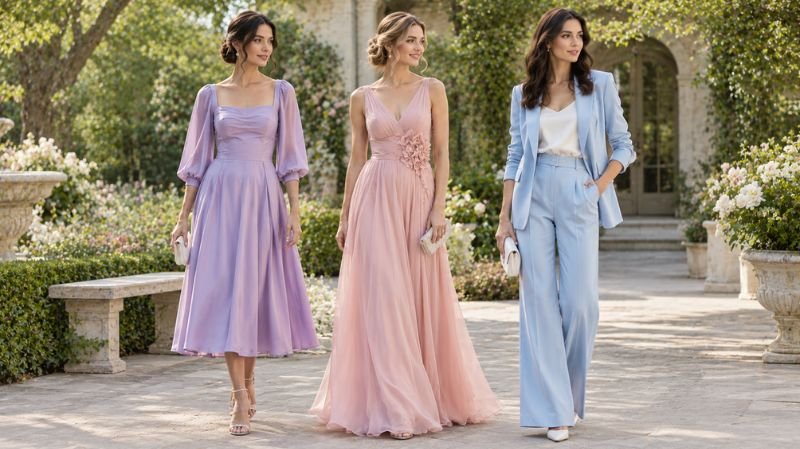
Spring is often associated with soft colors and floral prints, but an elegant seasonal wardrobe does not need to follow a single palette. The event, lighting, fabric, and your personal preferences should all influence your choice.
Pastels for Soft, Romantic Elegance
Blush pink, lavender, powder blue, and pale green create a gentle seasonal look. These shades work particularly well with fluid dresses, coordinated separates, and lightweight tailoring.
For a more polished result, balance a pastel garment with a structured bag, clean footwear, or a deeper neutral. This creates definition without losing the softness of the color.
Neutrals for Timeless Sophistication
Ivory, beige, taupe, gray, and navy offer a versatile foundation for formal spring dressing. Neutral outfits can look particularly refined when the silhouette is clean and the fabrics have contrasting textures.
For example, cream trousers paired with a satin blouse and a tailored jacket can look more considered than an outfit built around multiple competing colors. Small metallic details can add interest without overwhelming the combination.
Floral Prints and Botanical Colors
Floral prints, sage green, soft coral, and butter yellow can introduce seasonal character to an outfit. They are particularly useful for garden celebrations, daytime receptions, and events with a relaxed or romantic aesthetic.
Choose print scale carefully. A large, high-contrast pattern creates a different effect from a subtle floral motif, so consider the venue and how much visual impact you want the outfit to have.
Deeper Shades for Formal Evenings
Navy, emerald, burgundy, plum, and black can be excellent choices for evening events. Their depth creates contrast under artificial lighting and pairs well with metallic jewelry and refined accessories.
There is no universal rule that formal spring clothing must be light. A well-cut dark gown or tailored ensemble can feel entirely appropriate when it matches the event’s dress code.
Key Features to Look for in a Spring Formal Dress
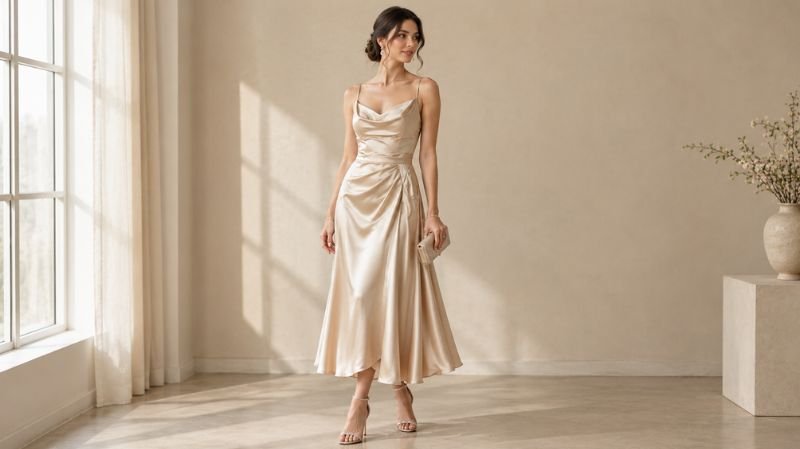
A beautiful dress needs to work beyond the fitting room. Fabric behavior, construction, fit, and movement all affect how polished the finished outfit looks.
Choose Fabrics That Suit the Occasion
Chiffon offers a light, flowing appearance, while organza can provide more volume and structure. Satin creates a smooth surface with a noticeable sheen, whereas crepe often offers a more understated finish.
The word satin describes a type of weave rather than a single fiber, so satin garments can behave differently depending on their composition. Check the garment’s care instructions and lining before choosing a dress for a long event.
Look for Details That Improve the Finish
Floral embroidery, restrained embellishment, pleating, draping, and carefully finished seams can add visual interest. However, a dress does not need elaborate decoration to look formal.
Pay particular attention to how the garment sits at the shoulders, waist, neckline, and hem. A simpler dress that fits well can look more sophisticated than an elaborate design that pulls, bunches, or requires constant adjustment.
Choose a Length That Matches the Dress Code
Floor-length gowns are a traditional option for many black-tie occasions. Midi and cocktail-length dresses may work for formal daytime events, cocktail parties, and certain weddings, depending on the invitation.
The venue and event instructions should guide the final decision. Do not assume that every formal event requires a long gown or that every short dress is automatically suitable for a less formal occasion.
How to Choose the Right Formal Spring Outfit
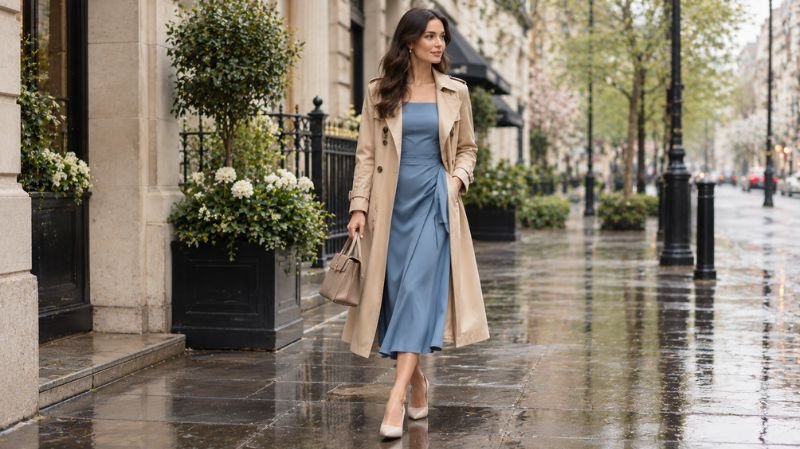
Instead of shopping based only on trends, use a short decision process to narrow down the options. This helps you find an outfit that looks appropriate, feels comfortable, and fits the event’s expectations.
Start With the Dress Code
Read the invitation carefully and look for terms such as cocktail, formal, black tie, or black-tie optional. These labels communicate different expectations, so they should not be treated as interchangeable.
Emily Post’s black-tie dress-code guide explains traditional eveningwear expectations and distinguishes black tie from black-tie optional. If the invitation is unclear, asking the host is better than guessing.
Consider the Venue and Time of Day
A ballroom reception, outdoor garden party, office event, and evening dinner each create different styling considerations. Venue surfaces, indoor temperatures, ceremony customs, and the transition from daylight to evening can all affect the best outfit choice.
For outdoor events, think about footwear and the possibility of changing conditions. For indoor events, consider whether you will need a removable layer and whether your outfit remains comfortable while sitting for long periods.
Choose Colors That Work With Your Wardrobe
Personal coloring can help you identify shades you enjoy wearing, but there is no single universally flattering color for every person. Consider how a garment looks in natural light, how it coordinates with your existing shoes and accessories, and whether you feel comfortable wearing it.
If you are unsure, start with a neutral base and introduce seasonal color through a blouse, handbag, jewelry, or outer layer. This approach also makes the outfit easier to restyle for future occasions.
Prioritize Fit and Movement
Try sitting, walking, reaching, and climbing a few steps while wearing the complete outfit. Check whether the hem catches under your shoes, the waistband shifts, or the fabric pulls when you move.
For long events, consider supportive footwear and garments that do not require constant readjustment. Comfort is not separate from elegance; it helps you wear the outfit with confidence throughout the occasion.
Plan for Unpredictable Spring Weather
Spring temperatures can change significantly between daytime and evening, especially at outdoor venues. A tailored blazer, elegant wrap, or refined trench coat can add warmth without undermining the outfit’s silhouette.
Choose a layer that works with the neckline, sleeve length, and fabric of your main garment. If rain is possible, plan for shoes that can handle the venue and bring a practical outer layer rather than relying on a delicate wrap alone.
How to Style Spring Formal Dresses
Once the main garment is chosen, accessories should support the outfit’s silhouette, color, and level of formality. The goal is to create a cohesive look rather than add as many decorative elements as possible.
Select Shoes for Both Style and Setting
Pumps, slingbacks, dressy sandals, and refined flats can all work with formal spring clothing. The right choice depends on the event, the garment’s hemline, and how much walking or standing you expect to do.
For outdoor ceremonies, block heels or elegant flats may be more practical on grass and uneven ground. For a formal indoor reception, a slim heel can complement a long gown, provided you can walk comfortably in it.
Balance Jewelry With the Neckline
A high neckline often works well with earrings or a bracelet rather than a prominent necklace. A simple neckline can accommodate a statement necklace, while an embellished bodice may look more balanced with minimal jewelry.
You do not need to match every metal or accessory perfectly. Repeating one or two details, such as a metallic finish or a color from the print, is often enough to make the overall look feel intentional.
Choose a Bag That Suits the Event
A compact clutch or structured mini bag usually complements a formal outfit better than a large everyday tote. Choose a size that accommodates essentials without becoming awkward to carry.
For a daytime event, a small structured handbag can provide a practical finish. For evening occasions, a sleek clutch or subtle metallic bag can add polish without competing with the dress.
Coordinate Hair and Makeup With the Outfit
Soft waves, sleek buns, polished ponytails, and simple updos can all complement formal spring clothing. Consider the neckline, weather, and length of the event when deciding how to wear your hair.
Makeup can be understated or more dramatic depending on personal preference and the occasion. A fresh complexion, defined eyes, or a bold lip can each work well; no single beauty style is required for spring formal dressing.
What to Wear Over a Formal Spring Outfit When It Is Cold
A formal spring outfit should still work when temperatures drop after sunset. The best outer layer adds warmth while respecting the shape, fabric, and formality of the clothing underneath.
Tailored Blazers and Lightweight Jackets
A tailored blazer is a practical option for trousers, skirts, jumpsuits, and many dresses. Choose a length that complements the main garment and a fabric substantial enough to provide the warmth you need.
For a dress, a cropped or waist-length jacket can preserve the silhouette. For tailored trousers, a matching blazer creates a coordinated look that feels polished without requiring additional styling.
Trench Coats and Elegant Wraps
A trench coat works well for arriving at an event or moving between indoor and outdoor settings. An elegant wrap or shawl may be more convenient for a seated dinner or reception where you need a lighter layer.
Match the outer layer to the event rather than automatically choosing the lightest fabric. A delicate shawl may look beautiful but provide little protection against cold wind or rain.
Practical Styling for Rain and Wind
Check the forecast and consider the actual conditions at the venue. A secure hairstyle, weather-appropriate shoes, and a protective coat may be more useful than accessories that require frequent adjustment.
If the event is outdoors, think about the walking route and ground surface as well as the temperature. Small practical decisions can prevent discomfort without compromising the finished outfit.
How to Find a Formal Spring Outfit for Your Personal Style
Fashion advice is most useful when it offers choices rather than rigid rules about which bodies should wear particular garments. Focus on proportion, construction, comfort, and the features you personally enjoy.
For Petite Proportions
A clearly defined waist, considered hemline, and well-fitted jacket can create a balanced silhouette. If you choose wide-leg trousers or a long skirt, pay attention to length and footwear so the fabric does not overwhelm the outfit.
Vertical seams, tonal dressing, and carefully tailored garments can also create a visually continuous line. These are options, not requirements; the best fit is the one that works for your preferences and the occasion.
For Curvy Figures
Look for garments that fit comfortably through the shoulders, bust, waist, and hips without pulling or restricting movement. Wrap-inspired shapes, structured tailoring, and adjustable waist details may be useful depending on the cut.
Supportive construction and suitable undergarments can improve how a garment sits, but there is no need to hide or minimize your natural shape. Choose a silhouette because you like its appearance and feel comfortable wearing it.
For Minimalist, Classic, and Romantic Styles
Minimalist dressing often relies on clean lines, limited colors, and restrained accessories. Classic styling may favor tailored suits, simple gowns, and traditional footwear, while romantic looks often use soft draping, floral prints, and delicate details.
You can combine these approaches rather than follow one style category exclusively. A floral dress with a structured blazer, for example, balances softness with tailoring and can be adapted to a range of occasions.
Common Formal Spring Outfit Mistakes to Avoid
A polished outfit is not only about what you wear; it also depends on whether the clothing suits the event and functions well throughout the day.
Ignoring the Dress Code
A cocktail dress, a formal evening gown, and a black-tie ensemble are not always interchangeable. Read the invitation before choosing the length, fabric, and accessories, and ask the host if the instructions are ambiguous.
For weddings, consider the ceremony’s customs and the couple’s preferences as well. Etiquette can vary by culture and venue, so a single universal rule will not cover every event.
Choosing a Beautiful but Impractical Outfit
A floor-length hem that drags on wet ground, shoes that sink into grass, or a dress that restricts walking can make an otherwise elegant look difficult to wear. Test the full outfit before the event, including shoes and outerwear.
If you expect to be outdoors, consider weather resistance and ease of movement. Practicality does not mean dressing casually; it means selecting formal pieces that work in the actual setting.
Overloading the Outfit With Accessories
A statement necklace, dramatic earrings, embellished shoes, and a heavily decorated bag can compete for attention when worn together. Choose one focal point and let the remaining accessories support it.
The exception is when the event or your personal style calls for a deliberately maximalist look. Even then, repeating a color or finish can help the combination feel cohesive rather than accidental.
Assuming Spring Means Pastels and Florals
Pastels and botanical prints are popular seasonal choices, but formal spring attire can also include navy, black, jewel tones, neutrals, and monochromatic looks. The garment’s construction and the occasion’s expectations matter more than a narrow seasonal palette.
Choose colors that suit your style and the event. A deep-colored satin gown or a neutral tailored suit can be just as appropriate as a floral dress when styled correctly.
How to Build a Versatile Formal Spring Wardrobe
You do not need a separate outfit for every invitation. A small collection of adaptable pieces can create several distinct looks with changes in styling and accessories.
Five Useful Wardrobe Foundations
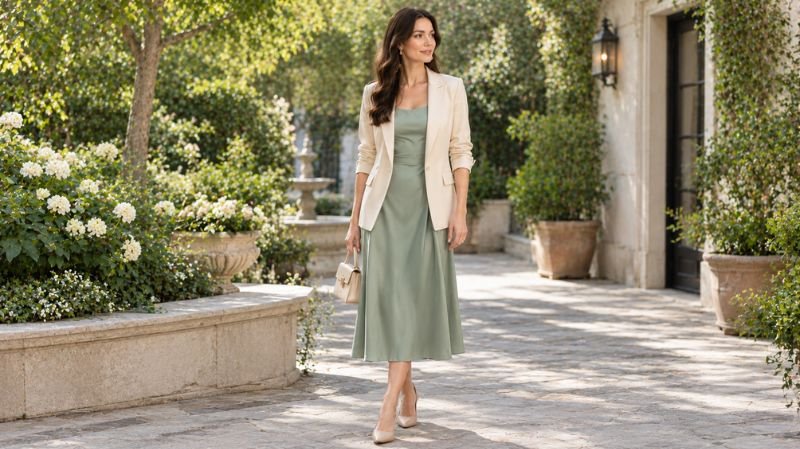
Start with pieces that work well together: a tailored blazer, elegant trousers, a versatile dress, a midi skirt, and a refined blouse. Choose colors and fabrics that complement one another so you can create coordinated outfits without purchasing everything at once.
A neutral blazer can work with trousers for a professional event and over a dress for a reception. A blouse can be paired with a skirt for daytime formality or with tailored trousers for a more contemporary evening look.
Restyle Pieces for Different Occasions
Wear a midi dress with a blazer and closed-toe shoes for a professional reception, then change to dressier heels and statement earrings for an evening gathering. The main garment stays the same, but the overall effect changes with the accessories.
Likewise, tailored trousers can work with a structured jacket for a formal business event or with a refined satin blouse for a dinner. Check the dress code before reusing an outfit formula for a more traditional occasion.
Create Elegant Looks on a Budget
Begin with clothing you already own and identify what is missing before shopping. Alterations, proper steaming, careful garment care, and well-maintained shoes can improve the appearance of existing pieces.
If you buy something new, prioritize versatility and fit over a short-lived trend. One well-chosen dress or blazer that works for several events can be more useful than several pieces that are difficult to style.
Final Thoughts
The best formal spring outfit balances the occasion’s dress code with your personal style, comfort, and the realities of spring weather. A flowing gown, a satin midi dress, a coordinated suit, or tailored separates can all create an elegant result when the fit, fabric, and accessories work together.
Start with the invitation, build around a silhouette you enjoy wearing, and add details that make the outfit feel complete. You can create a polished look without following every trend or buying an entirely new wardrobe.
Ready to plan your next occasion? Explore your wardrobe, try a few outfit combinations, and choose the formal spring style that makes you feel confident from arrival to the final goodbye.
FAQs
What should a woman wear to a formal spring event?
Choose a dress, gown, jumpsuit, or tailored separates that match the invitation’s dress code, venue, and time of day.
What is spring formal at school?
A spring formal is often a school-organized dance or social event held in spring, with clothing expectations set by the school.
What colors are best for formal spring attire?
Pastels, neutrals, floral shades, navy, and jewel tones can all work, depending on the occasion and your personal style.
Can you wear trousers to a formal spring event?
Yes, tailored trousers with a refined blouse and jacket can suit many formal events, although traditional black-tie occasions may have specific expectations.
Can you wear black to a spring wedding?
Black can be appropriate for many weddings, but consider the dress code, cultural customs, venue, and couple’s preferences.
Should a formal spring dress be long or short?
Choose the length according to the event: floor-length gowns suit many black-tie occasions, while midi and cocktail dresses work for some other formal events.
What fabrics work best for spring formal wear?
Chiffon, organza, crepe, and satin can all work well, provided their weight, construction, and care requirements suit the occasion.
What shoes are best for an outdoor formal spring event?
Block heels, dressy flats, or stable low heels can be practical on grass and uneven surfaces while still looking elegant.
What should you wear to a spring formal when it is cold?
Add a tailored blazer, refined coat, or elegant wrap that provides enough warmth for the forecast and complements the main outfit.
How can you make a formal spring outfit look more expensive?
Prioritize a good fit, clean garment construction, coordinated accessories, and well-maintained shoes instead of relying on labels or elaborate embellishments.