
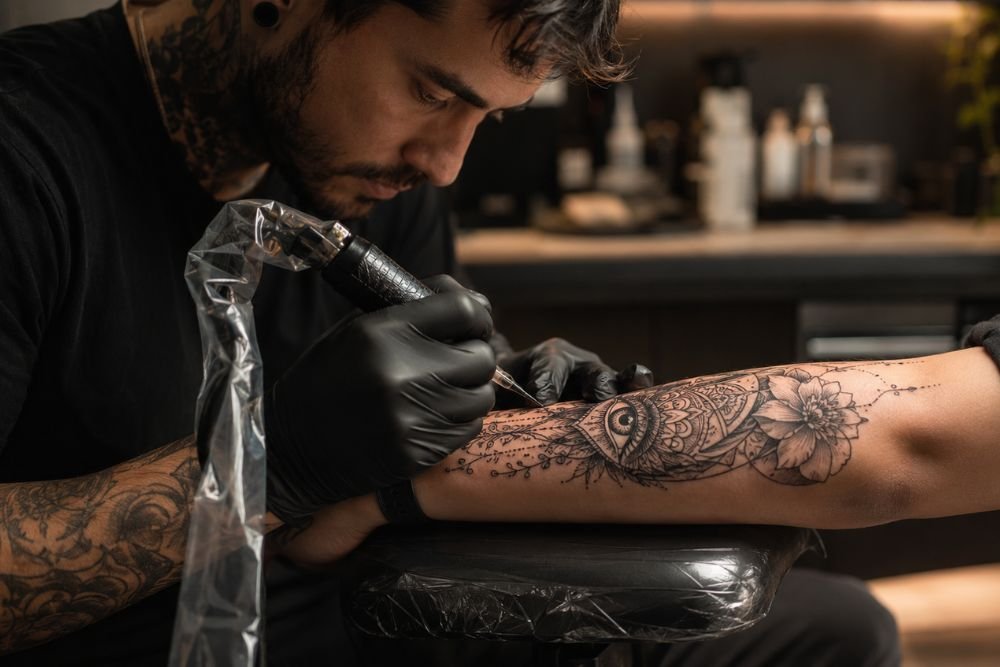
Getting a fine line tattoo is an exciting decision, but keeping that artwork looking sharp requires understanding how ink behaves within the skin. You might admire the crisp look of fresh micro realism, yet you want to know if those tiny details will stay clear as time passes by. This blog why choosing the right artist you ensure your body art remains a beautiful, stable feature on your skin forever.
Understanding the Depth of Ink Application
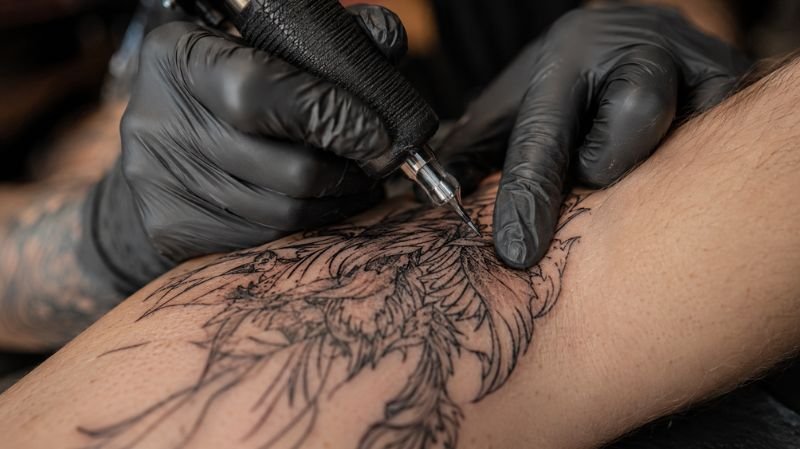
The key to maintaining stability in fine line tattoos lies in how the artist places the pigment at the correct depth within your skin. If the needle goes too deep, the ink can spread and look blurry, while not going deep enough may cause the lines to disappear as your skin cells regenerate. Professional artists who specialise in fine line tattoos know exactly how to balance this, ensuring the ink sits in the dermis layer.
Why High-Quality Pigments Matter More
Not all inks are made the same, and the chemical makeup of black pigments plays a massive role in how they look on your body over time. Premium black inks contain carbon-based ingredients that remain dense and dark, preventing them from breaking down or shifting in colour as they age. Cheap made pigments can sometimes fade to a dull grey, which ruins the delicate look of a minimalist design.
Managing Sun Exposure and Skin Health
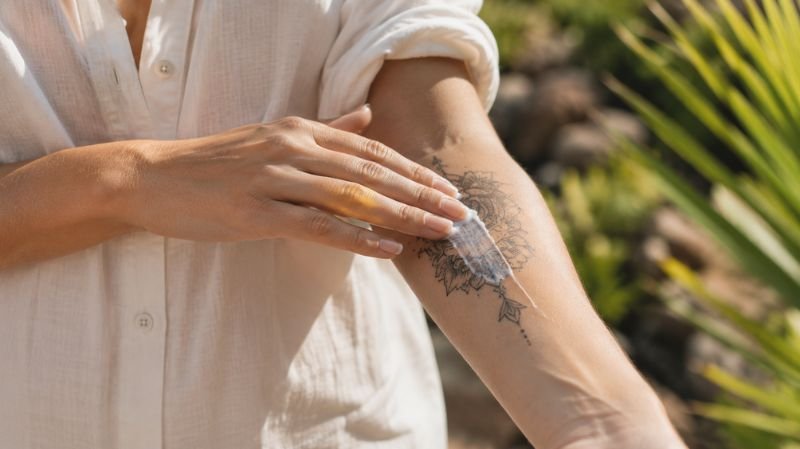
Your skin is constantly interacting with the environment, and ultraviolet light is the greatest challenge for any tattoo, especially those with fine details. Sunlight can break down the pigments over time, causing even the most expertly applied fine line tattoos to lose their crispness and become slightly fuzzy. To protect your investment, apply a high-SPF sunscreen over your tattoo whenever you are outdoors.
The Role of Minimalist Design Choices
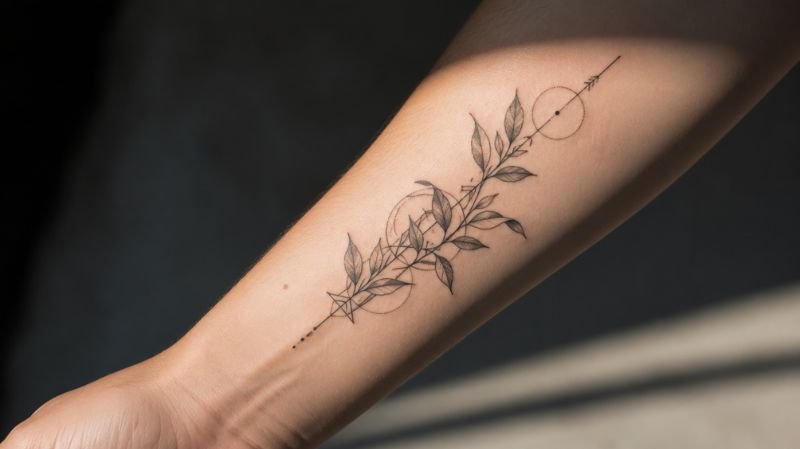
Choosing a minimalist design often means there is less room for error, which makes the stability of the black ink more critical to the final result. Fine line tattoos use thinner needles to create delicate patterns, and these thin lines require a steady hand and a high level of concentration from the artist. Because there is less pigment packed into the skin, the stability of that ink are what keep the design legible.
Why Healing Time Is Vital for Longevity
The way you treat your new tattoo during the first few weeks of healing significantly impacts how the ink will settle and remain stable later on. Following your artist’s advice on cleaning and moisturising is the best way to ensure the pigment stays put and does not fall out during the scabbing process. Avoiding picking at the healing skin is essential, as this can pull ink out and cause gaps in the fine lines.
Preventing Natural Ink Migration
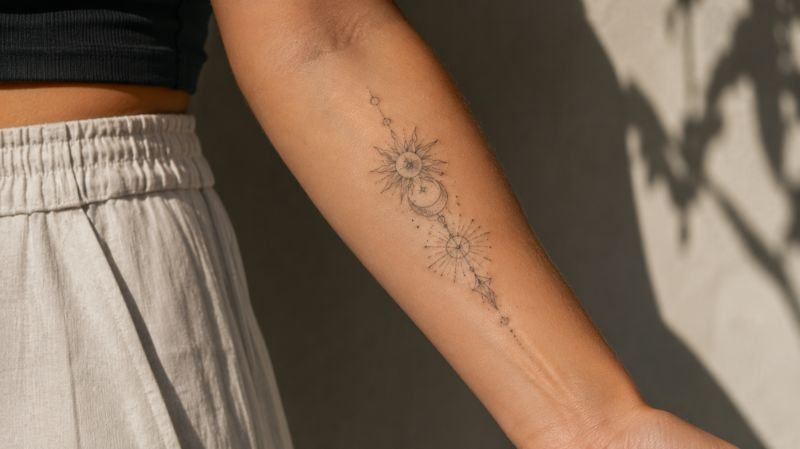
It is a concern that tattoos will spread out or fade as the skin ages, but modern techniques have greatly improved how you prevent this migration. Fine line tattoos are designed with the movement of the skin in mind, using techniques that minimise how much the ink can drift. By avoiding areas of the body that experience extreme stretching or high friction, you can protect the stability of your fine lines.
Maintaining Your Tattoo Through Touch-Ups
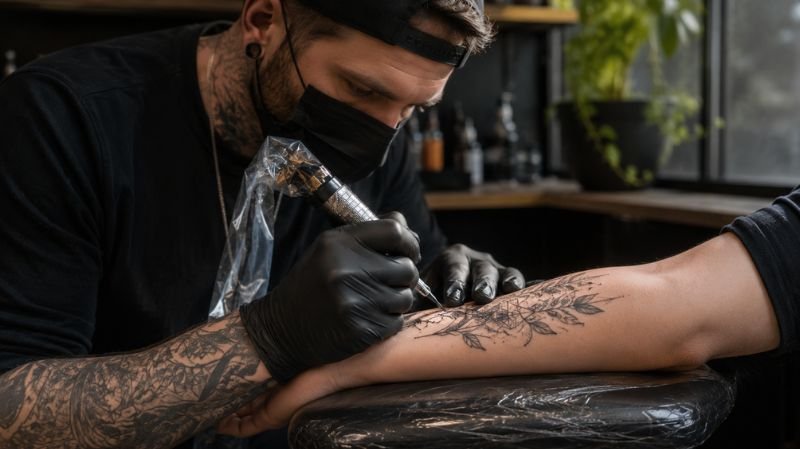
Even with the best care and the highest quality ink, some tattoos may benefit from a quick touch-up to keep them looking their best. If you notice a line looking slightly faint after a few years, a simple session can refresh the pigment and restore that original, crisp detail you loved so much. Touch-ups are a normal part of the process for many fine line collectors and are a great way to ensure your artwork stays sharp.
Your Ink Journey Starts Today
Your decision to get a fine line tattoo is a commitment to a unique style of art that celebrates precision. Understanding the science behind ink stability helps you feel more relaxed about the longevity of your design, knowing that quality materials and proper care make a difference. Embrace the process of taking care of your skin, as doing so is the best way to ensure your favourite piece of art stays as vibrant.