
Most people should get a haircut every 6 to 12 weeks to prevent split ends and keep hair healthy. However, the ideal schedule depends on your hair type, length, texture, styling habits, and overall hair condition. Short hairstyles often require trims every 4–6 weeks, while long healthy hair can typically go 8–12 weeks between appointments.
If you’re wondering how often you should cut your hair, the answer isn’t the same for everyone. Fine hair, chemically treated hair, and heat-damaged hair generally need more frequent trims than thick, healthy hair.
Haircut Frequency at a Glance
| Hair Type/Length | Recommended Trim Frequency |
| Pixie Cut | Every 4–6 weeks |
| Bob Haircut | Every 6–8 weeks |
| Medium-Length Hair | Every 6–10 weeks |
| Long Hair | Every 8–12 weeks |
| Fine Hair | Every 6–8 weeks |
| Thick Hair | Every 8–12 weeks |
| Curly Hair | Every 6–10 weeks |
| Coily Hair | Every 8–12 weeks |
| Damaged Hair | Every 4–6 weeks |
| Growing Hair Out | Every 10–12 weeks |
Why Does Hair Need Regular Trimming?
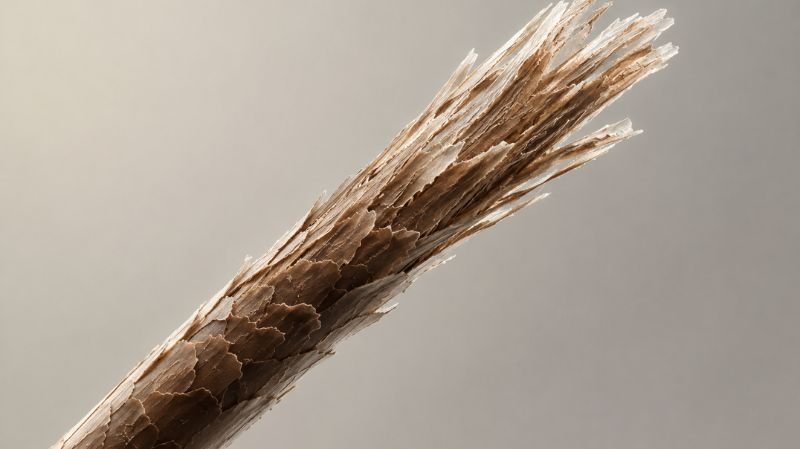
Hair is made of keratin, a protein that cannot repair itself once damaged. Unlike skin, hair strands are biologically dead after they emerge from the scalp.
When the protective outer layer of hair becomes damaged, the strand begins to split. Over time, these splits travel upward, causing breakage, frizz, thinning ends, and an unhealthy appearance.
Regular trims remove damaged ends before the problem spreads.
Benefits of Regular Haircuts
- Prevent split ends from worsening
- Reduce hair breakage
- Improve hair appearance
- Maintain hairstyle shape
- Make hair easier to style
- Support healthier-looking growth
- Reduce tangling and knots
What Are Split Ends?
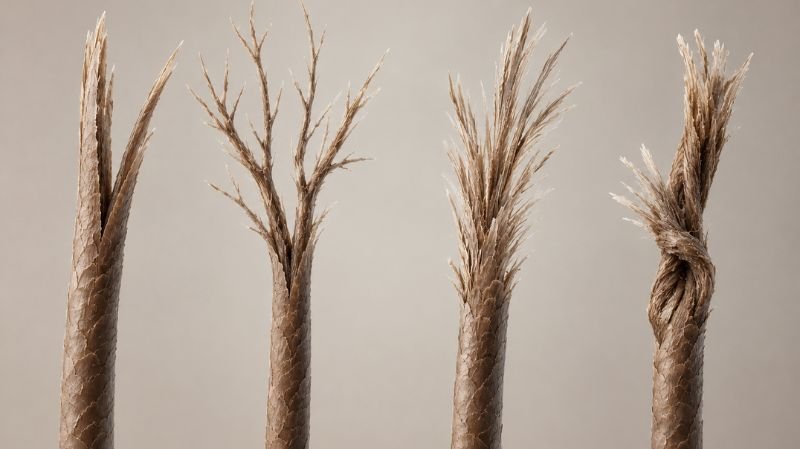
Split ends occur when the tip of a hair strand separates into two or more pieces.
This damage develops when the hair cuticle, the outer protective layer, becomes weakened through heat, chemical treatments, friction, or environmental exposure.
Common Types of Split Ends
Basic Split
The most common form is where the hair strand divides into two sections.
Tree Split
Multiple small splits branch off the hair shaft.
Feather Split
The strand develops many tiny splits that resemble feathers.
Knot Split
Common in curly and textured hair where strands knot and break.
Regardless of type, split ends cannot be permanently repaired. The only effective solution is trimming them away.
Historical Background: How Haircuts Became Part of Hair Care
Hair trimming has been practiced for thousands of years. Ancient Egyptians regularly cut hair to maintain cleanliness and prevent damage caused by heat and desert conditions. Historical records show that grooming and hair maintenance were considered important aspects of personal care.
During the Victorian era, long hair became fashionable, leading women to adopt brushing rituals and regular trimming schedules.
Modern trichology, the scientific study of hair and scalp health, supports the idea that periodic trimming helps maintain healthier-looking hair by preventing split-end progression.
While trimming doesn’t directly increase hair growth speed, it improves hair retention by reducing breakage.
How Often Should You Get a Haircut to Prevent Split Ends?
The general recommendation from hairstylists is every 6 to 12 weeks.
However, the ideal frequency depends on several factors:
- Hair texture
- Hair length
- Hair density
- Styling routine
- Chemical processing
- Existing damage
Someone who frequently bleaches and heat-styles their hair may need trims every six weeks, while someone with healthy, untreated hair may comfortably wait twelve weeks.
What Happens If You Don’t Cut Your Hair Regularly?
Many people delay trims because they want longer hair. Ironically, avoiding haircuts can make it harder to achieve length.
Split ends travel upward along the hair shaft. As the damage spreads, larger sections eventually break off, creating thinner ends and uneven growth.
Signs You’re Waiting Too Long Between Haircuts
- Visible split ends
- Excessive tangling
- Dry, rough ends
- Increased frizz
- Loss of hairstyle shape
- Hair snapping during brushing
- Uneven hair texture
If you notice several of these symptoms, it’s likely time for a trim.
Hair Trim vs Haircut vs Hair Dusting: What’s the Difference?
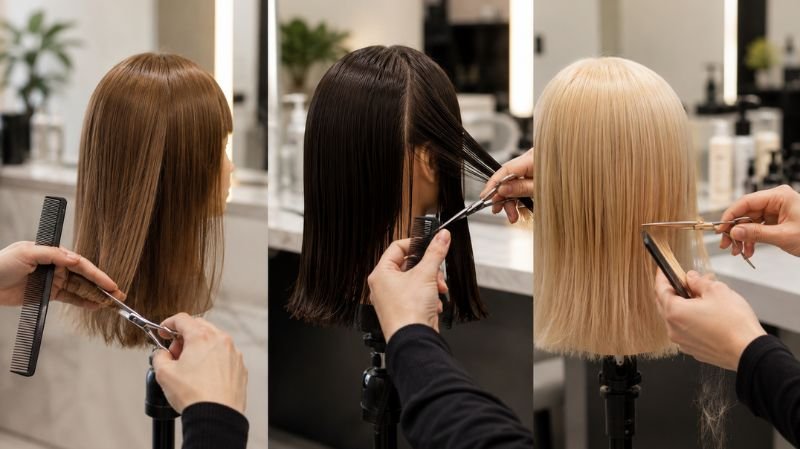
Many people use these terms interchangeably, but they serve different purposes.
What Is a Hair Trim?
A trim removes a small amount of hair, usually less than two inches. The goal is maintenance rather than changing your style.
What Is a Haircut?
A haircut involves removing more length and reshaping the hairstyle. Haircuts are often performed when changing styles or removing significant damage.
What Is Hair Dusting?
Hair dusting removes only the very tips of damaged strands. This technique targets split ends while preserving maximum length.
| Service | Hair Removed | Purpose |
| Dusting | Millimeters | Remove visible splits |
| Trim | Up to 2 inches | Maintenance |
| Haircut | 2+ inches | Style change or major damage removal |
How Often Should You Cut Your Hair Based on Hair Length?
Hair length significantly affects trimming frequency.
Short Hair

Short styles lose their shape quickly. A pixie cut or short bob can appear completely different after six weeks of growth.
Recommended Schedule
- Every 4–6 weeks
Benefits include:
- Cleaner appearance
- Better shape retention
- Easier styling
- Reduced split ends
Medium-Length Hair
Medium hairstyles offer more flexibility. Most people with shoulder-length hair can comfortably wait longer between appointments.
Recommended Schedule
- Every 6–10 weeks
Factors influencing frequency include:
- Hair growth rate
- Styling habits
- Heat usage
- Hair condition
Long Hair

Long hair tends to show split ends more prominently.
Because the ends are older, they’ve experienced more environmental stress and styling damage.
Recommended Schedule
- Every 8–12 weeks
People with healthy long hair often ask, “How often should I get a haircut if I’m trying to grow my hair?”
The answer is usually every 10–12 weeks. Small trims help preserve length by preventing severe breakage.
How Often Should You Get a Haircut Based on Hair Type?
Hair texture affects how quickly damage becomes noticeable.
Fine Hair
Fine hair typically shows damage sooner because individual strands are thinner. It may appear stringy or weak even when only slightly damaged.
Recommended Trim Frequency
- Short fine hair: 4–6 weeks
- Medium fine hair: 6–8 weeks
- Long fine hair: 8–10 weeks
Fine-haired individuals often benefit from consistent maintenance.
Medium Hair
Medium-texture hair balances durability and flexibility. Most people in this category can follow the standard recommendation.
Recommended Trim Frequency
- Every 8–10 weeks
Thick Hair
Thick hair generally tolerates environmental stress better. Because there are more strands, damage may be less noticeable initially.
Recommended Trim Frequency
- Every 8–12 weeks
However, visible split ends should never be ignored.
Curly Hair
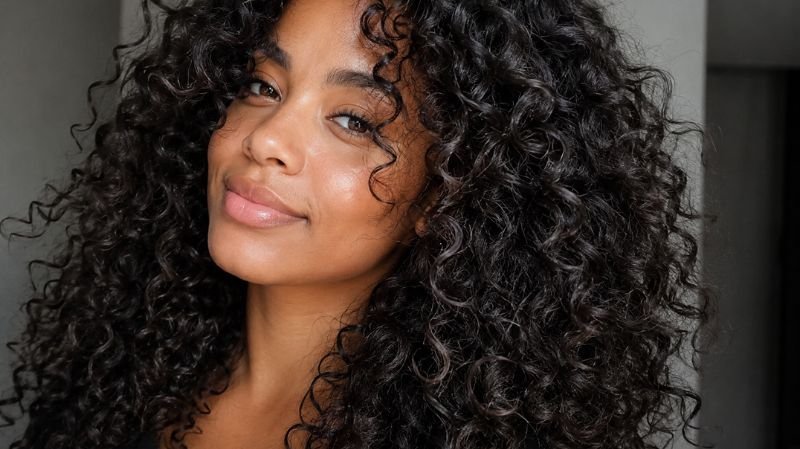
Curly hair naturally experiences more dryness because scalp oils struggle to travel down the hair shaft.
This makes curls more vulnerable to split ends.
Recommended Trim Frequency
- Every 6–10 weeks
Benefits of regular trims include:
- Better curl definition
- Reduced frizz
- Improved manageability
- Healthier-looking ends
Coily and Textured Hair
Coily hair has the highest risk of dryness and breakage. Although growth may appear slower due to shrinkage, regular trims remain essential.
Recommended Trim Frequency
- Every 8–12 weeks
Skipping trims often leads to knotting and breakage that ultimately reduces retained length.
How Often to Get Hair Trimmed If You Color Your Hair?
Color-treated hair requires extra attention. Chemical processing weakens the hair cuticle, increasing vulnerability to damage.
Hair Coloring and Split Ends
The more intensive the treatment, the greater the risk.
Examples include:
- Bleaching
- Platinum coloring
- Frequent highlights
- Chemical straightening
- Perming
Recommended Schedule
- Every 6–8 weeks
Regular maintenance prevents damage from spreading throughout the strand.
What About Bleached Hair?
Bleached hair is among the most fragile hair types.
Research published in cosmetic science journals consistently shows that bleaching significantly weakens hair structure.
Recommended Trim Frequency
- Every 4–6 weeks
Frequent trims help manage breakage and maintain a healthier appearance.
How Often Should You Cut Hair If You Use Heat Styling Tools?
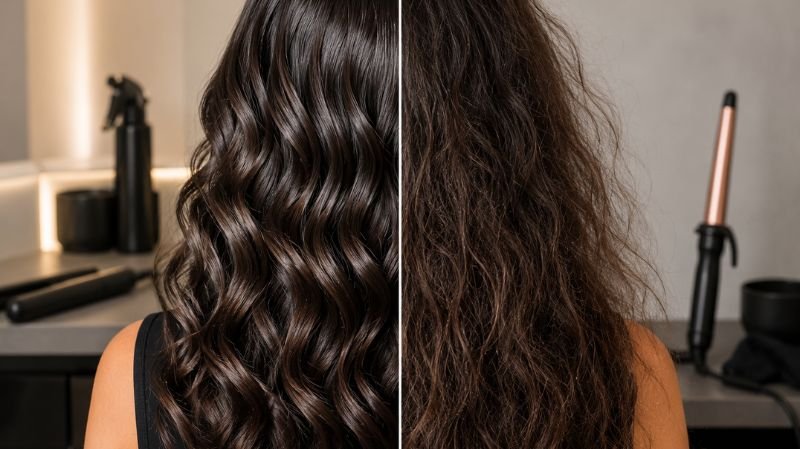
Heat styling is one of the leading causes of split ends. Flat irons, curling wands, and blow dryers can reach temperatures above 350°F (177°C). Repeated exposure weakens the cuticle and accelerates damage.
Signs Heat Styling Is Damaging Your Hair
- Rough texture
- Increased frizz
- Split ends
- Loss of shine
- Excessive dryness
Recommended Trim Frequency
- Every 6–8 weeks for frequent heat users
Using a heat protectant can help reduce damage but cannot eliminate it entirely.
Fashion Expert Opinion: What Do Professional Stylists Recommend?
Leading hairstylists generally agree that haircut frequency should be customized rather than fixed.
Professional salon experts emphasize three key factors:
- Hair health
- Hair goals
- Styling habits
Most professionals recommend evaluating the condition of the ends rather than strictly following a calendar.
Healthy hair with minimal damage may safely go longer between trims, while chemically processed or heat-styled hair benefits from more frequent maintenance.
A personalized haircut schedule almost always produces better results than following generic rules.
How Often to Cut Hair If It’s Damaged?
Damaged hair requires a different approach than healthy hair. If your hair is suffering from excessive bleaching, frequent coloring, chemical treatments, or heat damage, regular trims become essential. Unlike healthy hair, damaged strands continue to split upward if left untreated.
What Causes Severe Hair Damage?
Several factors can weaken the hair shaft:
- Repeated bleaching
- Excessive heat styling
- Chemical straightening
- Tight hairstyles
- Environmental exposure
- Poor hair care habits
Once the internal structure of the hair is compromised, no product can completely reverse the damage.
Recommended Trim Frequency for Damaged Hair
- Every 4–6 weeks
Frequent trims prevent breakage from spreading further up the hair strand.
Can Split Ends Repair Themselves?
No, one of the biggest myths in hair care is that split ends can heal naturally.
Once a strand splits, it cannot fuse back together permanently.
Many products temporarily coat the hair, making split ends appear smoother. However, these treatments only provide cosmetic improvement.
What Actually Fixes Split Ends?
The only permanent solution is:
- Trimming damaged ends
- Maintaining proper hair care
- Preventing future damage
Think of split ends like a frayed rope. Once the fibers separate, trimming is the only way to restore a clean edge.
Life Example: Why Regular Trims Matter
Sarah, a 29-year-old marketing professional, wanted to grow her hair from shoulder length to mid-back length.
To preserve growth, she skipped salon visits for nearly eight months. Initially, her hair seemed longer. However, the ends became increasingly dry and fragile.
By the time she visited her stylist, several inches had developed severe split ends and breakage. Instead of a small maintenance trim, she needed nearly four inches removed.
After switching to trims every 10 weeks, her hair retained length more effectively and appeared fuller.
The lesson?
Skipping trims often results in losing more hair later.
What Does Science Say About Hair Growth and Haircuts?
Many people believe that haircuts make hair grow faster.
Scientific evidence says otherwise.
Hair growth occurs at the follicle level beneath the scalp. Cutting the ends does not affect follicle activity.
According to the American Academy of Dermatology, hair grows approximately:
- 0.5 inches per month
- About 6 inches per year
However, trims can help hair appear to grow better because they reduce breakage.
Hair Growth vs Hair Retention
Hair growth and hair retention are different.
Hair Growth
Refers to new hair emerging from the scalp.
Hair Retention
Refers to keeping the length you already have. Regular trims improve retention by preventing breakage from destroying healthy length.
How to Prevent Split Ends Between Haircuts
Getting regular trims is only part of the equation. Daily hair care habits play a major role in preventing damage.
Use Heat Protectant Before Styling
Heat protectants create a protective barrier around hair strands.
They help reduce moisture loss and cuticle damage caused by:
- Blow dryers
- Curling irons
- Flat irons
Always apply a heat protectant before using hot tools.
Deep Condition Weekly
Hydration improves elasticity and reduces breakage.
Deep conditioning treatments replenish moisture lost through:
- Sun exposure
- Heat styling
- Hair coloring
Aim for one deep-conditioning session every week.
Sleep on Silk or Satin

Traditional cotton pillowcases create friction.
This friction can contribute to:
- Frizz
- Breakage
- Tangles
Silk and satin fabrics allow hair to glide more smoothly while sleeping.
Avoid Overwashing
Frequent washing strips natural oils.
Most hair types benefit from washing:
- 2–3 times weekly
Curly and textured hair may require even less frequent cleansing.
Protect Hair From Environmental Damage
Sun exposure, wind, chlorine, and pollution can weaken hair over time.
Protective strategies include:
- Wearing hats
- Using UV-protective products
- Rinsing hair after swimming
- Applying leave-in conditioners
Professional Salon Trim vs DIY Hair Trim
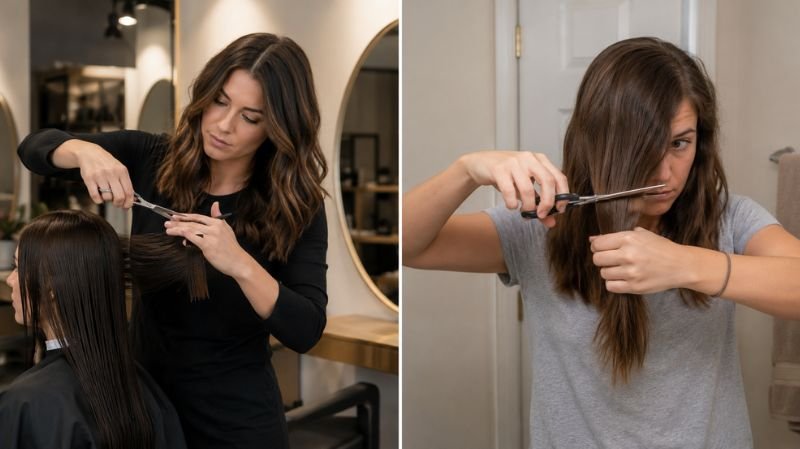
Should you trim your own hair?
The answer depends on the situation.
Benefits of Professional Haircuts
Professional stylists provide:
- Precise shaping
- Balanced length
- Face-shape customization
- Better damage assessment
They also use professional-grade shears designed specifically for hair cutting.
Risks of DIY Hair Trimming
Many household scissors are too dull for hair.
This can create:
- Frayed ends
- Uneven cuts
- Additional damage
DIY trims may be suitable for:
- Bang maintenance
- Minor dusting
- Emergency touch-ups
For significant trims, professional appointments remain the safer choice.
What Happens When You Skip Haircuts for Too Long?
Ignoring trims doesn’t stop damage. It allows damage to spread.
Common Consequences
- More split ends
- Increased breakage
- Thinner-looking ends
- Tangling
- Frizz
- Loss of shape
- Reduced shine
Eventually, larger sections must be removed to restore hair health.
This is why preventative trimming is often the better strategy.
Common Myths About Haircuts and Split Ends
Hair care myths continue to circulate online. Let’s separate fact from fiction.
Myth #1: Haircuts Make Hair Grow Faster
Haircuts do not affect follicle growth rate.
They simply improve hair appearance and reduce breakage.
Myth #2: Split Ends Can Be Permanently Repaired
Products can temporarily smooth damaged ends but cannot permanently fuse split fibers.
Myth #3: Long Hair Needs Fewer Trims
Long hair often requires consistent maintenance because the ends are older and more vulnerable to damage.
Myth #4: Healthy Hair Doesn’t Need Trims
Even healthy hair benefits from preventative maintenance. Regular trims stop minor damage from becoming severe.
Myth #5: Trimming Hair Makes It Thicker
Hair strands do not become thicker.
However, removing thin, damaged ends creates the appearance of fuller hair.
Authority Insight: Why Hair Experts Recommend Preventative Trimming
Hair professionals consistently recommend preventative maintenance over corrective cutting.
Removing a quarter-inch every few months is far easier than removing several inches after severe damage develops.
Professional stylists regularly observe that clients who maintain consistent trimming schedules experience:
- Less breakage
- Fuller-looking ends
- Better style retention
- Easier hair management
Preventative care almost always leads to better long-term results.
Conclusion
Healthy hair isn’t achieved through miracle products or occasional salon visits. It’s built through consistent maintenance.
Split ends are a natural part of hair aging, but they don’t have to ruin your hair goals. By following a trimming schedule that matches your hair type, protecting your strands from heat and environmental damage, and addressing split ends early, you can maintain stronger, shinier, and healthier-looking hair year-round.
Whether you wear a pixie cut, long layers, curls, coils, or color-treated hair, regular trims remain one of the most effective investments in your hair’s long-term health.
The key isn’t cutting more hair, it’s cutting the right amount at the right time.
If you’re noticing dryness, frizz, tangling, or visible split ends, don’t wait until the damage worsens. Schedule a trim, upgrade your hair care routine, and start following a haircut schedule tailored to your hair type. A small trim today can save inches of healthy hair tomorrow.
Frequently Asked Questions
1. How often should you get a haircut to prevent split ends?
Most people should get a haircut every 6–12 weeks. Fine, damaged, or chemically treated hair may require trims every 4–8 weeks, while healthy long hair can often wait 10–12 weeks.
2. How often should I get a haircut if I’m growing my hair out?
Experts typically recommend trimming every 10–12 weeks while growing hair. This prevents split ends and breakage without sacrificing significant length.
3. Does cutting hair make it grow faster?
No. Haircuts do not affect the growth rate of hair follicles. However, regular trims reduce breakage, helping hair retain length more effectively.
4. What happens if I never cut my hair?
Split ends can travel up the hair shaft, causing breakage, thinning ends, tangling, and a less healthy appearance.
5. How often should men get a haircut?
Men with short hairstyles often benefit from haircuts every 3–6 weeks. Longer styles may only require trimming every 8–12 weeks.
6. How often should women get a haircut?
Most women should trim their hair every 6–12 weeks depending on length, texture, and styling habits.
7. Can split ends be repaired without cutting them?
No. Hair products may temporarily smooth split ends, but trimming is the only permanent solution.
8. How often should curly hair be trimmed?
Curly hair generally benefits from trims every 6–10 weeks to maintain shape, reduce frizz, and prevent split ends.
9. Is it okay to trim your own hair?
Minor touch-ups and bang trims may be manageable at home, but professional stylists provide more precise results and can better assess hair damage.
10. How do I know it’s time for a haircut?
Common signs include visible split ends, excessive tangling, dryness, frizz, breakage, and loss of hairstyle shape.