Trail running is no longer a niche sport. From weekend adventurers to ultra-distance athletes, more runners are leaving pavement behind and heading toward dirt paths, forest routes, and mountain terrain. But running off-road requires more than motivation, it demands the right gear, especially the right trail running shoes.
With hundreds of options available today, choosing the best trail shoes can feel overwhelming. This guide simplifies everything. Below, you’ll find expert-backed recommendations, a buyer’s guide, comparisons, and answers to the most searched questions, all designed to help you make a confident decision.
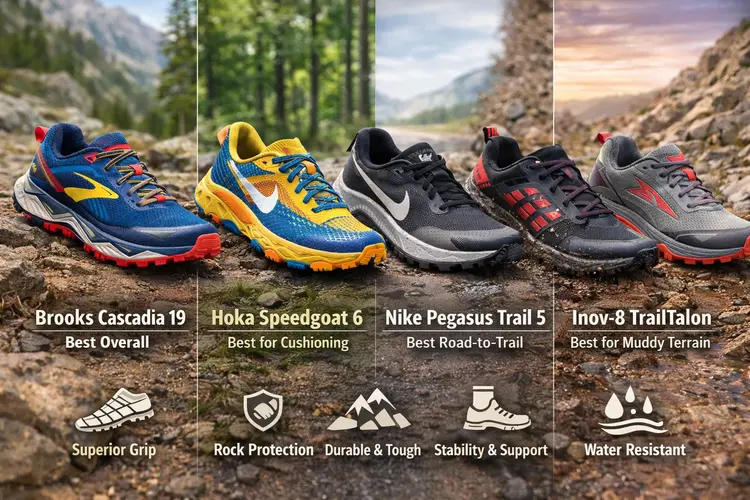
The best trail running shoes provide superior grip, protection, durability, and stability for off-road terrain.
Top picks for 2026 include:
- Brooks Cascadia 19 – Best Overall
- Hoka Speedgoat 6 – Best for Cushioning
- Nike Pegasus Trail 5 – Best Road-to-Trail Option
- Inov8 TrailTalon – Best for Muddy Terrain
- Altra Lone Peak 9 – Best Zero-Drop Experience
What Are Trail Running Shoes?
Trail running shoes are specifically designed for off-road surfaces such as dirt, rocks, mud, and uneven terrain. Unlike road running shoes, they feature:
- Aggressive outsoles for grip
- Protective rock plates to shield feet
- Durable uppers that resist abrasion
- Enhanced stability for uneven ground
- Water-resistant or quick-dry materials
In short, trail shoes are built for unpredictability — something regular sneakers simply can’t handle.
Why You Need Trail Running Shoes Instead of Road Running Shoes
Running on trails introduces variables like loose gravel, slippery mud, and sharp rocks. Wearing standard running shoes can lead to poor traction, discomfort, and even injury.
Key Advantages of Trail Shoes
- Better traction on wet or loose surfaces
- Protection from rocks and roots
- Improved ankle stability
- Longer durability in rugged environments
- More confidence when climbing or descending
Top 5 Best Trail Running Shoes (2026 Picks)
1. Brooks Cascadia 19 — Best All-Around Trail Running Shoe
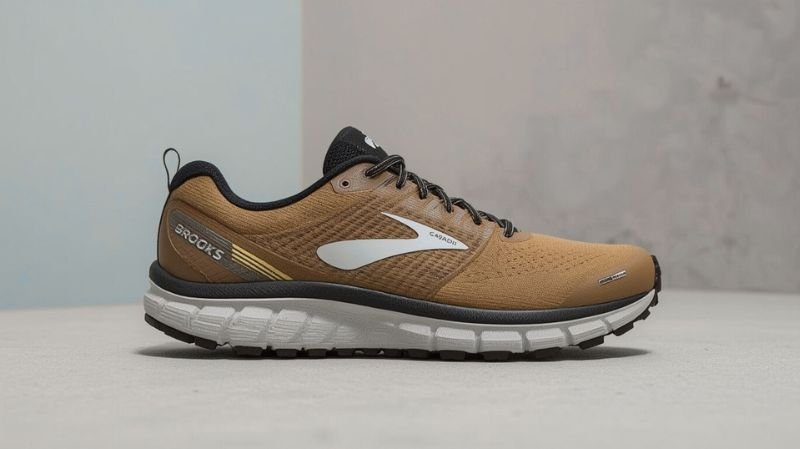
Ideal for beginners and experienced runners alike, this model balances cushioning, grip, and stability. It performs reliably across mixed terrain, making it a true “do-it-all” option.
Why It Stands Out:
- Stable ride for uneven ground
- Rock shield for protection
- Moderate drop suitable for most runners
- Excellent for daily trail training
Best For: Runners who want one dependable shoe for every trail condition.
2. Hoka Speedgoat 6 — Best Cushioned Trail Running Shoe
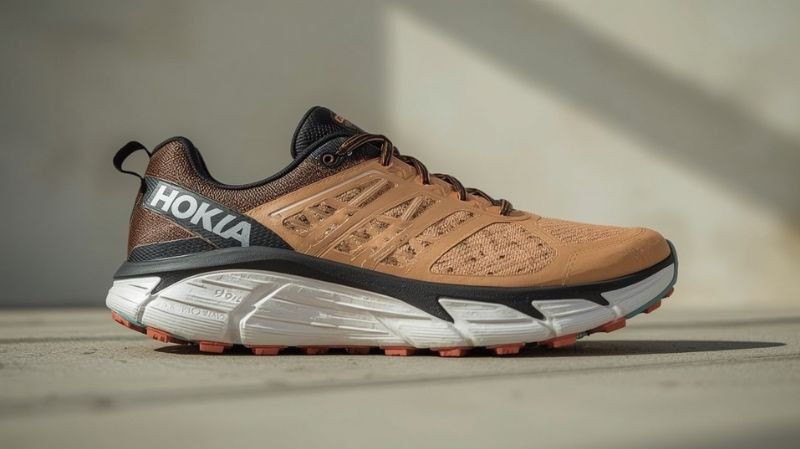
Known for its plush yet responsive feel, this shoe delivers comfort over long distances without sacrificing traction.
Key Features:
- High cushioning for ultra-distance comfort
- Vibram outsole for superior grip
- Secure upper for technical terrain
- Surprisingly lightweight for its category
Best For: Long-distance runners and those who prioritize shock absorption.
3. Nike Pegasus Trail 5 — Best Road-to-Trail Hybrid
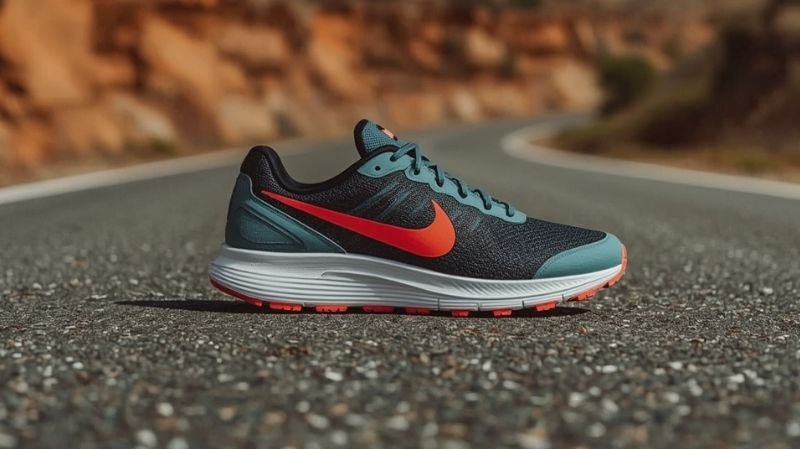
Perfect for runners transitioning between pavement and dirt paths, this model blends road-shoe comfort with trail-ready durability.
Why Runners Love It:
- Smooth ride on both roads and trails
- Breathable upper for warm-weather runs
- Responsive foam for energy return
- Versatile everyday option
Best For: Urban runners who mix surfaces during workouts.
4. Inov8 TrailTalon — Best for Mud and Wet Conditions
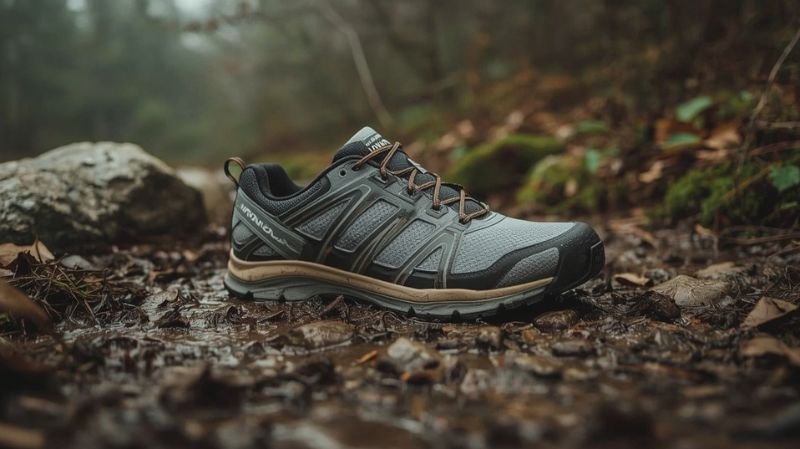
Built for challenging environments, this shoe excels in rain, mud, and slippery terrain thanks to its aggressive lug pattern.
Highlights:
- Multi-directional lugs for grip in soft ground
- Lightweight yet protective build
- Excellent stability on uneven surfaces
- Designed for technical trails
Best For: Runners tackling unpredictable weather and muddy routes.
5. Altra Lone Peak 9 — Best Zero-Drop Trail Shoe
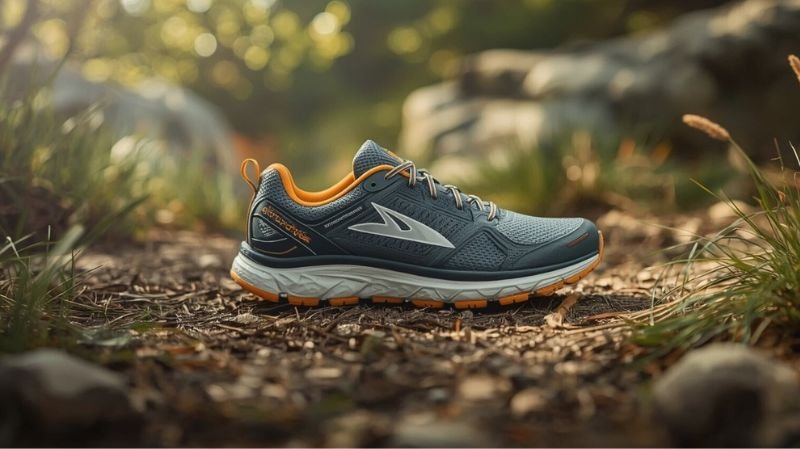
A favorite among natural-running enthusiasts, this shoe promotes a more biomechanically aligned stride.
What Makes It Unique:
- Zero-drop platform encourages natural posture
- Wide toe box allows toe splay
- Balanced cushioning with strong ground feel
- Popular for both trail running and hiking
Best For: Runners seeking a natural running experience.
Why the Right Trail Shoes Matter
James, a recreational runner from Colorado, trained exclusively in road shoes before signing up for his first trail race. Within weeks of switching to proper trail running shoes, he noticed:
- Fewer slips on downhill sections
- Reduced foot fatigue after long runs
- Improved confidence navigating rocky paths
His finishing time improved — but more importantly, he avoided the ankle injuries he previously struggled with.
This illustrates how the right footwear doesn’t just improve performance — it enhances safety and enjoyment.
How to Choose the Right Trail Running Shoes
Not every trail is the same. Your ideal shoe depends on terrain, distance, and running style.
1. Consider Terrain Type
- Light trails: Choose moderate lugs (3–4 mm)
- Rocky terrain: Look for rock plates and protection
- Mud or snow: Deeper lugs (5–7 mm) improve grip
2. Check Cushioning Level
- Maximum cushioning → Long-distance comfort
- Moderate cushioning → Better ground feel and agility
3. Understand Heel-to-Toe Drop
- Low or zero drop encourages natural stride
- Higher drop suits runners transitioning from road shoes
4. Prioritize Fit and Toe Box Comfort
Your foot should feel secure without being cramped, especially during descents.
Difference Between New Balance 740 and Trail Running Shoes
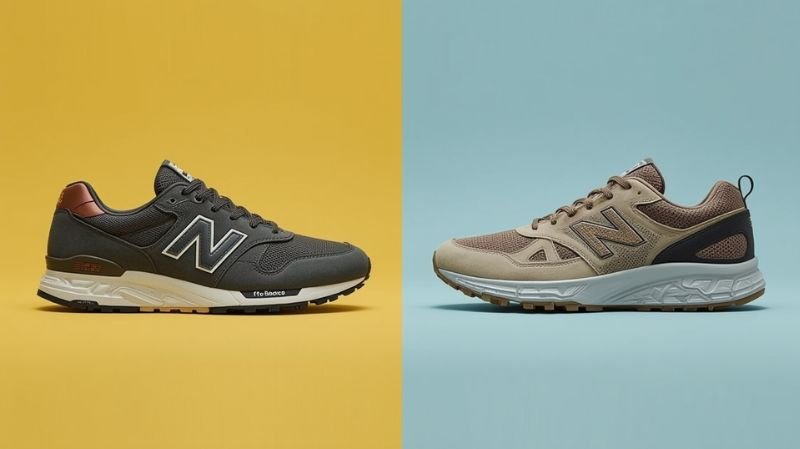
Many people confuse lifestyle sneakers like the New Balance 740 with performance footwear. However, they serve completely different purposes.
| Feature | New Balance 740 | Trail Running Shoes |
| Intended Use | Casual wear / lifestyle | Off-road running |
| Outsole Grip | Flat rubber | Aggressive lugs for traction |
| Protection | Minimal | Rock plates & reinforced toe caps |
| Stability | Designed for comfort | Designed for uneven terrain |
| Durability | Urban use | Rugged environments |
| Performance | Walking & fashion | Athletic performance |
Bottom Line:
The New Balance 740 is great for everyday style, but it lacks the traction, structure, and protection needed for trail running.
Common Mistakes to Avoid When Buying Trail Shoes
- Choosing based on looks instead of terrain needs
- Wearing road shoes on technical trails
- Ignoring proper fit and lockdown
- Assuming more cushioning always means better performance
- Not matching lug depth to trail conditions
How Long Do Trail Running Shoes Last?
Most trail running shoes last 300–500 miles, depending on terrain and usage. Rocky environments tend to wear shoes faster than soft dirt trails.
Signs you need replacement:
- Worn-down lugs
- Reduced cushioning
- Slipping during runs
- Upper material breakdown
Final Thoughts
This is truly an exciting time to be a trail runner. With modern innovations in cushioning, grip technology, and lightweight materials, today’s trail running shoes are more capable than ever before.
But the best shoe isn’t simply the most popular one — it’s the one that matches your terrain, goals, and running style.
Whether you want all-around reliability like the Brooks Cascadia, maximum comfort from the Hoka Speedgoat, or natural movement with the Altra Lone Peak, choosing the right trail shoes will elevate every step you take off the pavement.
Step beyond the ordinary and run with confidence—because great style doesn’t stop at the street. At Stylingmania, we bring you trail running shoes that combine performance technology with trend-forward design, so you can conquer every path while staying true to your personal style.
Explore our top picks, find your perfect fit, and elevate your outdoor look today.
FAQs
Are trail running shoes good for hiking?
Yes. Many trail shoes double as lightweight hiking footwear due to their grip, protection, and comfort.
Can you use trail running shoes on the road?
You can, but frequent pavement use may wear down the lugs faster and reduce traction over time.
Should trail running shoes be a size bigger?
Not usually. A snug fit prevents foot movement on uneven terrain, though you should allow slight toe room.
What is the difference between trail and running shoes?
Trail shoes offer better traction, protection, and durability, while road running shoes focus on cushioning and smooth-surface efficiency.
Are expensive trail shoes worth it?
Higher-quality models often last longer and provide better safety and performance, making them a smart investment for regular runners.