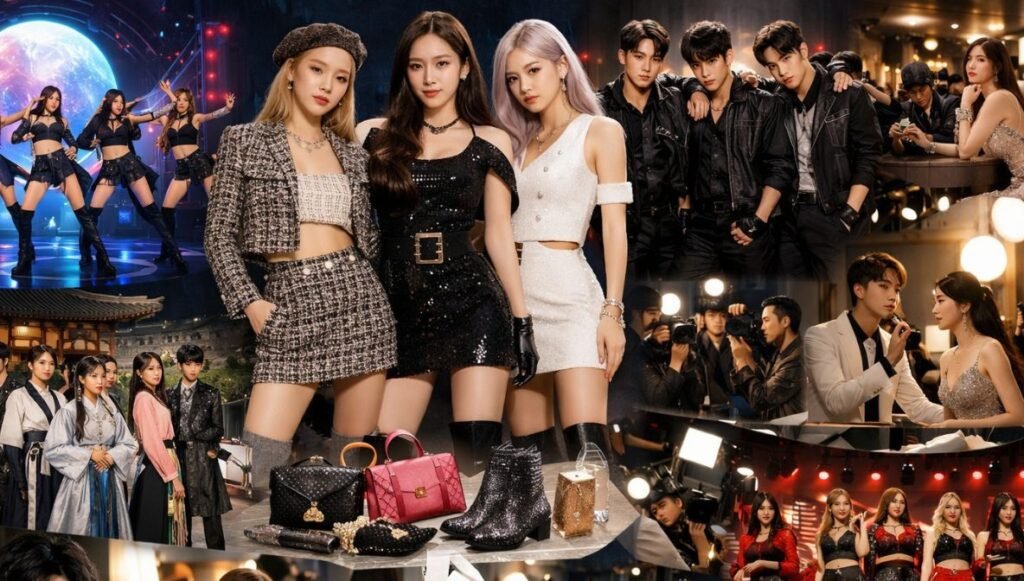
K-pop is widely recognized as a global cultural force, admired not only for its music but also for its striking visuals and meticulously curated performances. While choreography, production quality, and storytelling play key roles in the genre’s appeal, fashion has emerged as one of the most powerful elements shaping how K-pop groups are perceived worldwide. Clothing, styling, and overall aesthetics have become strategic tools that help define group identities, strengthen fan engagement, and extend influence far beyond the music industry.
Today, fashion in K-pop is not an afterthought—it is a core component of branding, storytelling, and global recognition. From debut concepts to comeback stages, fashion acts as a visual language that communicates a group’s personality, artistic direction, and cultural relevance.
K-Pop Beyond Music: A Visual-Centered Industry
K-pop differs from many other music industries because of its heavy emphasis on visual storytelling. Every aspect of a group’s presentation—from album packaging to music videos and live performances—is carefully planned. Fashion sits at the center of this ecosystem.
Unlike Western pop acts that often develop their style organically over time, K-pop idols debut with a clearly defined visual identity. This identity is reinforced consistently across:
- Music videos
- Stage performances
- Photoshoots and teasers
- Social media content
- Brand endorsements
This consistency helps audiences instantly recognize a group’s image, even before hearing the music.
Fashion as a Foundation of Group Concepts
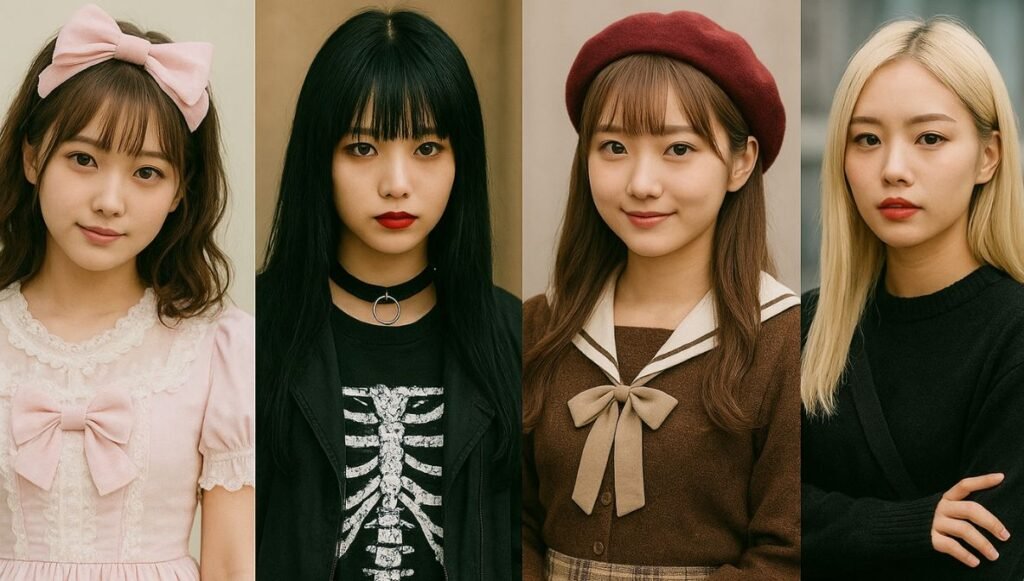
Before a K-pop group officially debuts or releases new music, entertainment companies invest heavily in developing a “concept.” This concept is a cohesive theme that influences sound, choreography, visuals, and most importantly, fashion.
Concept development typically involves:
- Creative directors and stylists
- Fashion designers and brand collaborators
- Hair, makeup, and visual production teams
These teams work together to create a unified aesthetic that reflects the group’s musical direction. The concept might be youthful and playful, dark and mysterious, futuristic, retro, or experimental. Fashion is used to visually translate this idea into something fans can instantly understand.
Key elements shaped by the concept include:
- Color palettes
- Silhouettes and fabrics
- Accessories and styling details
- Makeup and hairstyling
By introducing concepts through teaser images and promotional videos, companies generate excitement and curiosity while establishing visual expectations.
Iconic Styling and Brand Recognition
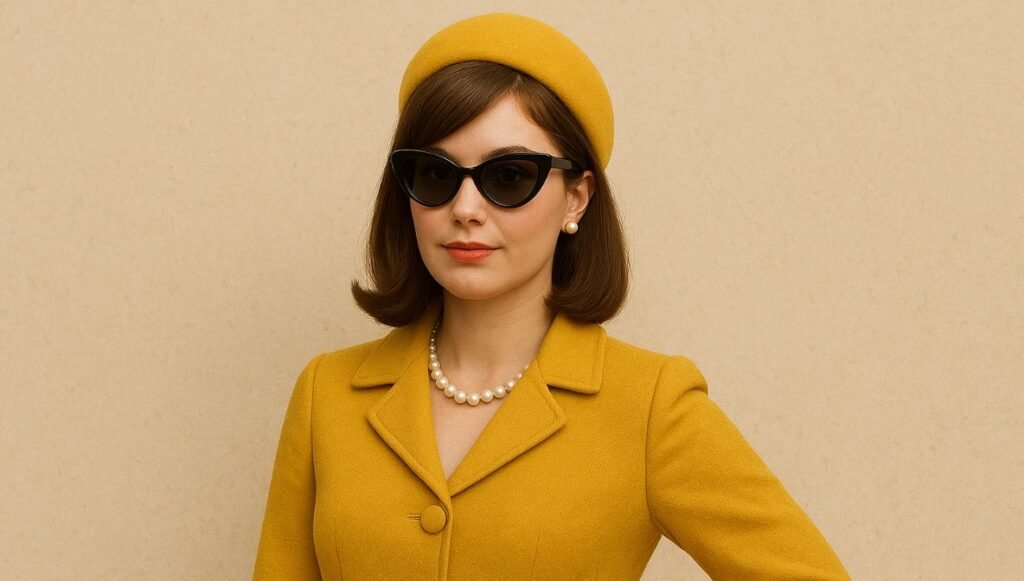
One of the most effective ways fashion contributes to K-pop’s success is through the creation of memorable, iconic outfits. These looks often become symbolic of a specific era in a group’s career and remain recognizable long after promotions end.
Iconic K-pop outfits typically share several characteristics:
- Bold or unconventional designs
- Strong color contrasts or patterns
- A balance between performance practicality and visual impact
- A clear connection to the group’s identity
Even brief appearances can have lasting effects. Fans frequently search for specific outfits, recreate them, or reference them in fan art and social media discussions. Over time, these fashion moments become part of K-pop history.
BLACKPINK’s Global Fashion Impact
A strong real-world example of fashion shaping K-pop’s visual power is BLACKPINK. Each member has developed a distinct fashion identity while maintaining a cohesive group image. Their stage outfits often combine luxury fashion with edgy styling, reinforcing their confident and high-fashion brand.
BLACKPINK’s collaboration with luxury houses such as Chanel, Dior, Saint Laurent, and Celine has elevated both the group and the brands themselves. Their fashion influence extends beyond fans to runway trends and global campaigns, demonstrating how K-pop fashion can shape the broader fashion industry.
Fashion as Storytelling and Symbolism
In K-pop, clothing is rarely just decorative. Fashion often carries symbolic meaning that supports a group’s narrative or concept. Colors, textures, and accessories are carefully chosen to reflect themes such as transformation, rebellion, innocence, power, or futurism.
Fashion-based storytelling may include:
- Color symbolism to represent emotions or character arcs
- Outfit transitions to show personal or conceptual growth
- Accessories used as metaphors within a storyline
This approach allows groups to express complex ideas visually, even without lyrics. Fans who enjoy decoding symbolism often engage more deeply, strengthening emotional connections with the group.
Balancing Individuality Within Group Identity
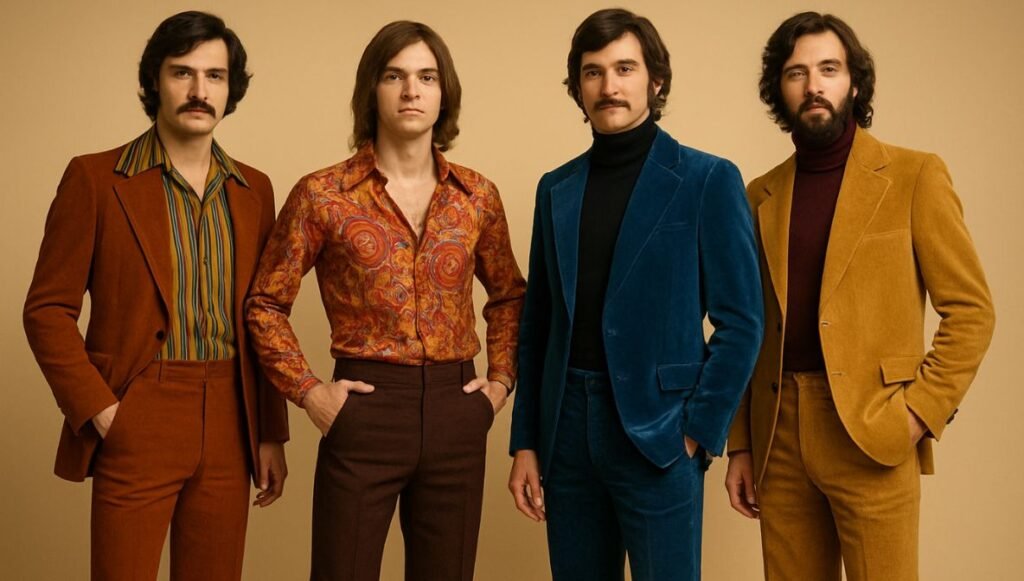
While cohesion is important, K-pop groups also prioritize individuality. Fashion provides a way for each member to express personal style without disrupting the group’s overall image.
Stylists achieve this balance by:
- Assigning signature colors or silhouettes to members
- Customizing outfits while maintaining a shared theme
- Highlighting different personalities through accessories
This strategy helps fans connect with specific members while still supporting the group as a whole. It also encourages fan communities to create dedicated content around individual fashion moments.
Benefits of individual styling include:
- Stronger fan loyalty
- Increased brand endorsement opportunities
- Clearer member recognition
The Influence of K-Pop Fashion on Fans
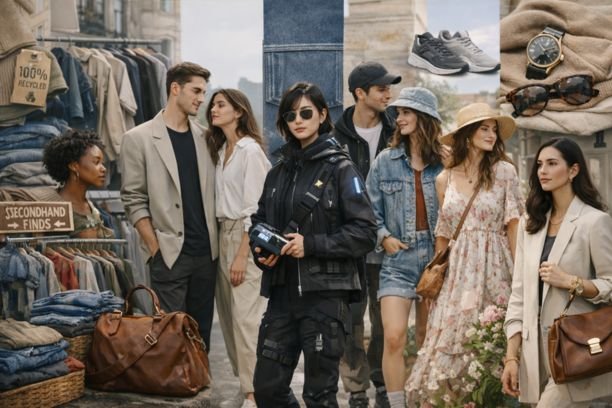
K-pop fashion has a direct and visible influence on fans around the world. Each comeback introduces new styles that fans eagerly analyze, recreate, and adapt to their own wardrobes.
Fan-driven fashion influence appears in:
- Social media outfit recreations
- Streetwear inspired by idol styling
- Increased interest in Korean brands and designers
This influence is especially strong among younger audiences, who view idols as style icons rather than just musicians. As a result, K-pop fashion trends often spread quickly across platforms like Instagram, TikTok, and Pinterest.
Collaborations With Luxury and Global Brands
As K-pop’s global reach has expanded, fashion brands have recognized its marketing potential. Luxury houses and international designers now collaborate directly with idols, appointing them as ambassadors or featuring them in campaigns.
These partnerships benefit both sides:
- Brands gain access to global, highly engaged fanbases
- K-pop artists gain credibility within high-fashion spaces
This crossover has helped break traditional boundaries between music, fashion, and pop culture, positioning K-pop idols as global tastemakers.
Cultural Exchange Through Fashion
K-pop fashion also acts as a bridge between cultures. Many groups blend traditional Korean elements with modern or Western fashion, creating unique hybrid styles. This fusion introduces global audiences to Korean aesthetics while maintaining universal appeal.
Examples include:
- Modern reinterpretations of hanbok
- Traditional patterns integrated into contemporary designs
- Korean designers gaining international recognition
Through fashion, K-pop contributes to cultural exchange while reinforcing national identity.
Why Fashion Is Essential to K-Pop’s Global Success
Fashion has become inseparable from K-pop’s global rise because it:
- Enhances storytelling and branding
- Creates visual consistency across platforms
- Strengthens emotional connections with fans
- Drives cultural and commercial influence
Without its strong visual foundation, K-pop would struggle to maintain the same level of engagement in an increasingly image-driven digital world.
Conclusion
Fashion is far more than a stylistic choice in K-pop—it is a strategic and creative force that defines how groups are seen, remembered, and celebrated. By shaping visual identities, supporting storytelling, and enabling individuality within cohesion, fashion plays a central role in the genre’s success.
As K-pop continues to expand globally, its influence on fashion, pop culture, and creative industries will only grow stronger. The relationship between music and fashion within K-pop demonstrates how visual expression can transcend language, connect cultures, and transform artists into global icons.