If someone from the 1960s could glance at today’s wardrobes, they would instantly recognize pieces that originated in their era. Despite how modern fashion evolves, the 1960s continues to shape runways, street style, and celebrity wardrobes. From shorter hemlines to futuristic fabrics and bold patterns, this decade sparked a revolution that still defines what we consider stylish today.
Unlike earlier eras which were dominated by rigid silhouettes or designer-dictated trends, the 1960s opened the door to freedom, youth culture, and diverse style identities. It became the first decade where fashion was not simply worn—it was a statement of beliefs, rebellion, identity, and social movement. Below is a comprehensive look at the most influential 1960s fashion trends, why they mattered, and how they continue to shape global style in 2026.
The Enduring Impact of Jackie Kennedy’s Fashion Choices
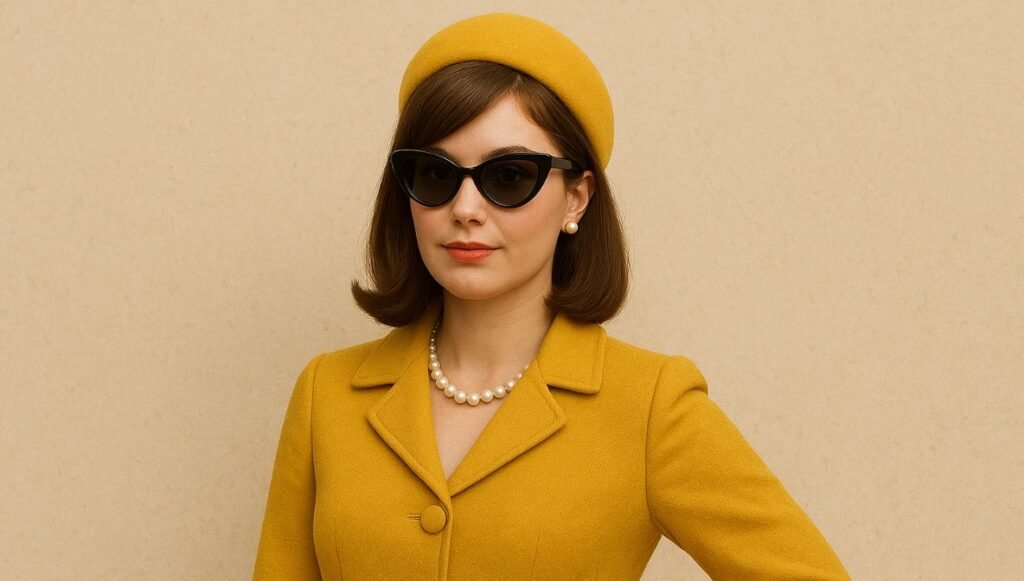
One of the clearest examples of the 1960s influence is Jackie Kennedy (later Jackie Kennedy Onassis). Her pillbox hats, tailored suits, and clean, polished silhouettes became global fashion signatures.
A famous real-life moment occurred during her 1961 visit to Paris, where her yellow suit paired with a matching pillbox hat became one of the most photographed looks of the decade. The public’s fascination with her wardrobe sparked instant trends in the U.S. and Europe, proving how powerful the 1960s were in shaping personal style—not just through designers but through real people influencing millions.
Even today, modern fashion brands recreate her iconic suits and structured accessories. This shows how a single style moment from the 1960s continues to influence outfit choices more than half a century later.
Why the 1960s Became a Turning Point in Fashion
The ’60s was not just another decade—it was a cultural revolution. Fashion transformed partly because society itself was changing rapidly.
Key cultural shifts that influenced fashion:
- Youth culture explosion: Younger generations no longer followed their parents’ style; they led trends instead.
- The sexual revolution: Greater freedom in clothing choices resulted in shorter hemlines and looser silhouettes.
- Technological advances: New materials like vinyl, PVC, and synthetic fibers changed how clothes were designed.
- Icon-driven influence: Models, musicians, and actresses became more influential than fashion houses.
- Global media exposure: Television and magazines allowed trends to spread faster than ever.
This combination of innovation, rebellion, and expression set the stage for iconic trends that remain essential even today.
The Most Influential 1960s Fashion Trends That Still Matter Today
Below are the signature trends of the decade—each explained with modern relevance and historical context.
1. The Miniskirt: A Symbol of Youth and Freedom
Few pieces define the 1960s like the miniskirt. Popularized by Mary Quant and beloved by young women globally, the miniskirt broke traditional fashion norms and represented independence.
Why it mattered:
- Challenged conservative views about how women “should” dress.
- Marked the shift from structured 1950s silhouettes to liberated styles.
- Became a universal symbol of youth culture.
Why it’s still relevant:
Miniskirts appear every year in designers’ collections—from runway chic to everyday street style—proving their timeless appeal.
2. Leopard Print: Bold, Edgy, and Forever Chic
Though floral prints were iconic during this decade, leopard print quietly became a fashion favorite among trendsetters and celebrities.
Defining qualities:
- Glamorous, daring, and instantly eye-catching
- Often worn by Hollywood icons, turning it into a luxury symbol
- Bridges edgy street style with high-end glamour
Why it endures:
Whether in coats, accessories, or dresses, leopard print remains one of the few patterns that never goes out of fashion.
3. The Beret: Effortlessly European and Artistic
Inspired by French new-wave cinema and European counterculture, the beret became a signature accessory in the 1960s.
What it represented:
- Artistic expression
- Minimal, effortless elegance
- The intellectual and bohemian lifestyle
Modern relevance:
Berets remain a favorite accessory for fashion-forward individuals, effortlessly elevating any outfit with Parisian charm.
4. Women’s Tuxedo Fashion: The Rise of Androgynous Style
Yves Saint Laurent’s “Le Smoking” changed women’s fashion forever. When it debuted, it challenged traditional gender norms and introduced tailored masculinity as a form of sensuality and power.
Why it became iconic:
- Introduced the idea of empowering, structured suiting for women
- Contrasted the era’s obsession with mini lengths and free-flowing silhouettes
- Became a cultural phenomenon despite initial criticism
Today’s impact:
From red carpet events to editorial shoots, the women’s tuxedo remains an elegant and powerful fashion staple.
5. The Babydoll Dress: Playful, Feminine, and Rebellious
Though soft and girlish in appearance, the babydoll dress symbolized rebellion during the 1960s. Young women wore it as a rejection of restrictive 1950s shapes and as an embrace of personal freedom.
Why it stood out:
- Loose at the waist, short in length, and extremely comfortable
- Popular among the youth-driven “mod” culture
- Embodied carefree self-expression
Why it continues today:
Its playful silhouette now appears in seasonal collections, summer wardrobes, and festival fashion.
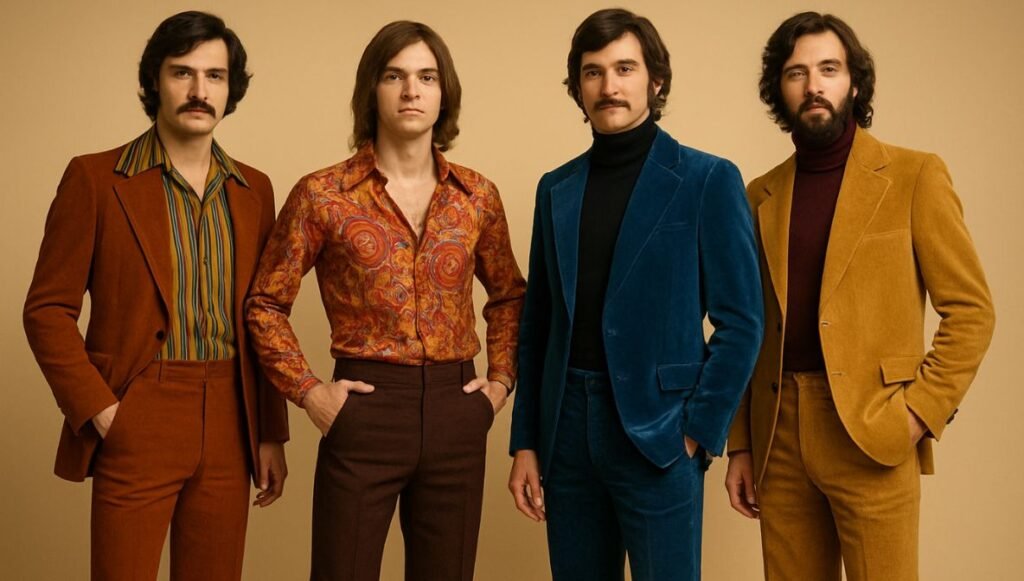
6. Orange and Brown Tones: Warm Retro Colors That Made a Comeback
Toward the end of the decade, earthy colors like burnt orange and caramel brown became fashionable, countering the psychedelic palettes of earlier years.
Characteristics:
- Warm, grounded, rich tones
- Popular in both clothing and interior design
- Associated with the late-60s bohemian lifestyle
Modern relevance:
These shades cycle back every few years, especially in fall fashion.
7. Flares: The Dramatic Evolution of Eveningwear
Flared trousers emerged as a stylish alternative to narrow silhouettes. Their movement and elegance made them ideal for parties and evenings out.
Why they were popular:
- Gave a dramatic, flowing shape
- Considered more modest and sophisticated
- Aligned with the growing unisex fashion movement
Present-day influence:
From high-waisted flares to retro-wide-leg styles, this silhouette is once again celebrated on runways and street fashion alike.
8. The Pillbox Hat: Classic, Elegant, and Forever Linked to Jackie Kennedy
Jackie Kennedy’s iconic pillbox hats defined sophisticated 1960s elegance. Her polished, minimalist style made her a global fashion icon.
Why it defined the era:
- Symbolized grace and refinement
- Offered a clean, structured alternative to previous hat fashions
- Was widely imitated by women around the world
Why it remains historical:
The pillbox hat is still considered a landmark of mid-century fashion, often referenced in pop culture and period films.
9. Space-Age Fashion: Futuristic, Geometric, and Visionary
With the space race dominating global attention, designers imagined clothing for a futuristic, intergalactic world.
Common features:
- Metallic fabrics
- Geometric patterns
- High-tech materials like vinyl and PVC
- Clean, minimalist shapes
Impact on modern fashion:
Contemporary designers still revisit space-age aesthetics, especially in metallic collections and modern runway experiments.
10. Vinyl and Synthetic Fabrics: Fashion Meets Technology
1960s designers embraced man-made materials that were previously unused in fashion. Vinyl, nylon, and other synthetics allowed for bold experimentation.
Why they mattered:
- Easy to maintain
- Modern, glossy, futuristic look
- Symbolized innovation and change
Why they remain relevant:
From raincoats to accessories to high-fashion pieces, vinyl remains a favorite material for creating dramatic, statement-making looks.
Conclusion
The 1960s reshaped fashion by encouraging individuality, experimentation, and cultural expression. Instead of one dominant style, the decade embraced multiple fashion identities—mod, bohemian, glamorous, futuristic, minimalist—and encouraged people to dress in alignment with their personality.
Whether through miniskirts, animal prints, tailored tuxedos, or futuristic materials, the spirit of the 1960s continues to define how we dress in 2026. These trends endure not only because they look good, but because they represent freedom, confidence, and creativity—values that never go out of style.