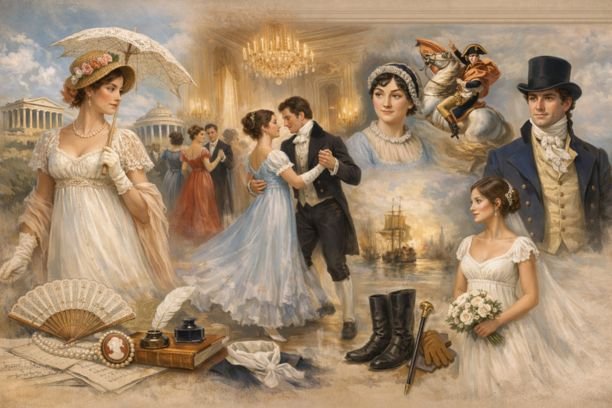
The Regency Era remains one of the most elegant and influential periods in fashion history. Known for its refined silhouettes, classical inspiration, and romantic charm, Regency fashion continues to shape modern clothing, bridal wear, and costume design. While popular culture—especially period dramas—has recently revived interest in this era, Regency fashion has fascinated historians, designers, and style enthusiasts for generations.
This article explores the defining features of Regency Era fashion, its historical context, key design trends for men and women, cultural influences, accessories, and its lasting impact on modern style. By understanding the roots of Regency fashion, we can better appreciate how timeless elegance continues to inform contemporary design.
Defining the Regency Era
Historically, the Regency Era refers to the period between 1811 and 1820 in Great Britain. This era began when Prince George (later King George IV) was appointed Prince Regent due to King George III’s declining mental health.
Despite political challenges and social change, this decade became a vibrant cultural moment marked by:
- Flourishing arts and literature
- Architectural innovation
- A renewed interest in classical ideals
- A rise in social gatherings, balls, and formal events
Romanticism dominated creative expression, influencing not just poetry and painting but also fashion. Writers such as Jane Austen, poets like Lord Byron, and artists including J.M.W. Turner helped define the era’s refined yet emotionally expressive aesthetic.
Fashion became a visual reflection of this cultural shift—simpler than the heavily structured Georgian styles, yet rich in symbolism and elegance.
The Cultural and Artistic Influences Behind Regency Fashion
Regency fashion did not develop in isolation. Instead, it was shaped by a blend of political, artistic, and social movements.
Major Influences on Regency Design
Key inspirations included:
- Classical Antiquity: Ancient Greek and Roman art inspired flowing silhouettes and balanced proportions.
- The French Revolution: Encouraged simplicity, comfort, and a rejection of excessive aristocratic display.
- Napoleonic France: French elegance, led by Empress Joséphine, influenced British fashion deeply.
- Romanticism: Emphasized softness, femininity, and emotional expression in clothing.
This blend created a unique style that balanced restraint with refinement—simple lines paired with delicate details.
Regency Women’s Fashion: The Rise of the Empire Silhouette
One of the most recognizable contributions of the Regency Era is the empire waist dress. This silhouette transformed women’s fashion and remains influential today.
Key Features of Regency Women’s Clothing
- High waistline positioned just below the bust
- Flowing skirts that skimmed the body
- Lightweight fabrics such as muslin, silk, and cotton
- Soft colors including white, pastels, and pale florals
This design allowed greater freedom of movement compared to earlier corseted styles. While dresses appeared simple, they often featured:
- Fine embroidery
- Lace trims
- Ruffles and gathered details
Necklines became more daring, often square or rounded, emphasizing femininity while maintaining elegance.
Undergarments and Structure
Although the era favored natural lines, undergarments still played a role. A modified corset style helped shape the bust without restricting the waist, supporting the empire silhouette without extreme tightness.
Regency Men’s Fashion: Tailoring and Dandyism
Men’s fashion during the Regency Era emphasized precision, cleanliness, and tailored excellence. This period marked a turning point toward modern menswear.
Core Elements of Regency Men’s Style
- Tailored coats with structured shoulders
- Fitted waistcoats
- Breeches or trousers replacing earlier knee-length styles
- Crisp linen shirts
- Elaborate cravats tied in precise folds
The concept of dandyism, popularized by figures like Beau Brummell, elevated simplicity and fit over ornamentation. Grooming, cleanliness, and attention to detail became hallmarks of masculine style.
This emphasis on tailored clothing laid the groundwork for the modern suit.
The Regency Ball Gown: Elegance in Motion
Formal events were central to Regency social life, and ball gowns represented the height of fashion.
Characteristics of Regency Ball Gowns
- Floor-length flowing skirts
- Empire waistlines
- Soft, sheer fabrics
- Decorative embroidery and trims
- Occasionally off-the-shoulder or low necklines
Some gowns featured subtle back details such as ruching, adding dimension and movement. These gowns were designed to flow gracefully during dances, reinforcing the romantic ideals of the era.
Ball gowns were not merely clothing—they symbolized social status, refinement, and femininity.
Accessories: Completing the Regency Look
Accessories played an essential role in Regency fashion, enhancing both practicality and beauty.
Popular Accessories for Women
- Bonnets decorated with ribbons, feathers, or flowers
- Gloves worn both day and evening
- Parasols for sun protection
- Fans for social signaling
- Jewelry such as cameos, pearls, and delicate tiaras
Accessories for Men
- Top hats
- Leather gloves
- Walking sticks or canes
- Carefully tied cravats
Accessories reflected social etiquette and personal taste, completing the polished Regency appearance.
Regency Influence in Modern Bridal Fashion
A clear example of Regency fashion’s lasting influence can be seen in modern bridal gowns.
Many contemporary brides choose:
- Empire waist wedding dresses
- Lightweight, flowing fabrics
- Minimalist designs inspired by classical elegance
For instance, a fashion designer creating a spring bridal collection may draw inspiration from Regency silhouettes to offer gowns that feel romantic, timeless, and comfortable. These dresses often appeal to brides seeking elegance without heavy structure—demonstrating how a 19th-century design philosophy continues to meet modern needs.
The Lasting Influence of Regency Fashion
Regency fashion continues to inspire designers, filmmakers, and fashion enthusiasts.
Modern Areas Influenced by Regency Style
- Bridal and evening wear
- Period costume design
- High-waisted silhouettes in everyday fashion
- Soft draping and lightweight fabrics
- Minimalist elegance trends
Fashion houses regularly revisit Regency-inspired themes, while historical dramas help introduce new audiences to these classic aesthetics.
Why Regency Fashion Still Matters
Regency fashion endures because it represents a perfect balance between:
- Comfort and beauty
- Simplicity and refinement
- Classical structure and romantic expression
Its designs feel timeless rather than trend-driven, making them adaptable across centuries.
Key Takeaways
- The Regency Era (1811–1820) reshaped fashion with elegance and simplicity
- Women’s empire waist dresses defined the era’s aesthetic
- Men’s tailored clothing laid the foundation for modern menswear
- Accessories played a crucial role in completing the look
- Regency fashion continues to influence modern design, especially bridal wear
Final Thoughts
Regency Era fashion remains one of the most influential chapters in clothing history. Rooted in classical inspiration and romantic ideals, its designs transcended trends to become enduring symbols of elegance. Whether seen in modern wedding gowns, high-fashion collections, or period dramas, Regency style continues to inspire admiration and creativity.
By understanding the historical design trends and cultural influences of the Regency Era, we gain insight into why this graceful period still shapes the way we dress today—proving that true elegance never goes out of style.