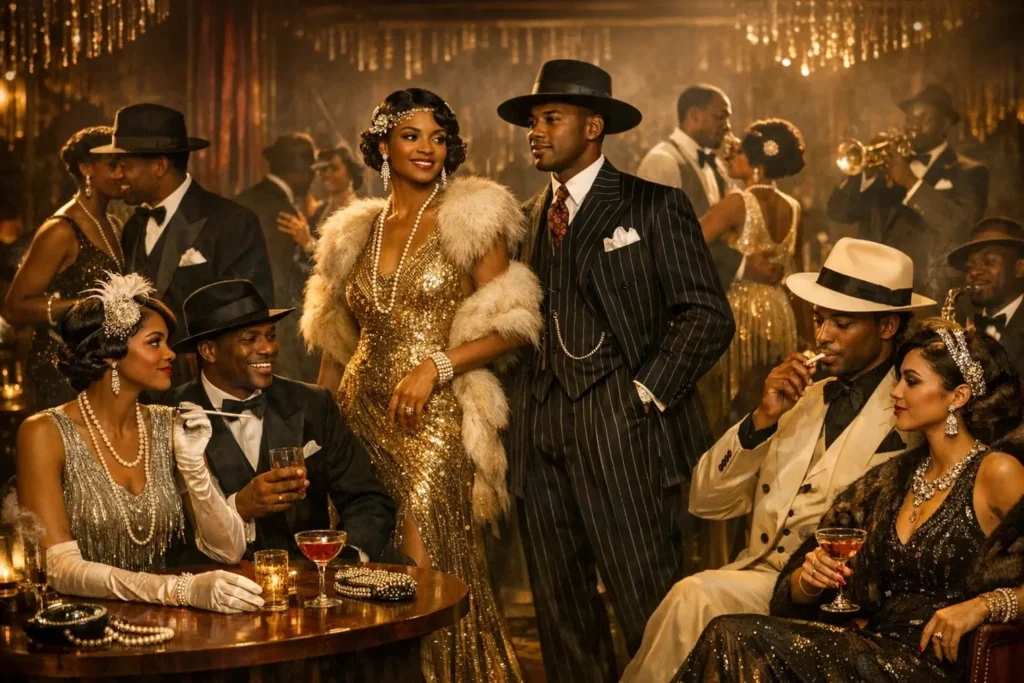
Harlem Renaissance fashion was not simply about clothing—it was a powerful visual expression of pride, ambition, and cultural rebirth. Emerging in the 1920s and early 1930s, this style grew alongside one of the most important Black cultural movements in American history. As African American artists, writers, musicians, and intellectuals reshaped literature and music, fashion became another way to redefine identity and challenge outdated stereotypes.
What people wore during the Harlem Renaissance reflected confidence, creativity, and self-respect. Elegant tailoring, bold accessories, and glamorous details turned everyday dress into a statement. This guide explores the origins, defining features, and lasting influence of Harlem Renaissance fashion—while showing why it still matters today.
Harlem Renaissance History and Culture: The Roots of Style
Harlem Renaissance fashion developed in response to major social and cultural changes in early 20th-century America. Understanding these roots helps explain why style held such deep meaning.
Key historical influences
- The Great Migration, which brought large Black communities from the South to northern cities
- The rise of Harlem as a cultural and intellectual hub
- The “New Negro” movement, emphasizing pride and visibility
- Jazz clubs, theaters, and literary salons as social centers
- Economic contrast between the Roaring Twenties and the Great Depression
As African Americans built new lives in Harlem, clothing became a way to project dignity and modern identity. Dressing well was not about excess—it was about being seen on one’s own terms. Even during economic hardship, fashion remained a symbol of resilience and aspiration.
Women’s Harlem Renaissance Fashion: Flapper Dresses, Fringe, and Freedom
Women’s fashion during the Harlem Renaissance marked a dramatic shift from restrictive clothing of earlier decades. Style became closely linked with independence and movement.
Defining clothing elements
- Drop-waist and flapper-style dresses
- Loose silhouettes designed for dancing
- Fringe, beads, and sequins that shimmered under club lights
- Shorter hemlines paired with silk stockings
- Mary Jane heels and dance-friendly shoes
These designs allowed women to move freely in ballrooms and jazz clubs. Clothing reflected joy, energy, and confidence—especially on dance floors where fashion and music met.
Accessories and beauty trends
- Cloche hats and feathered headpieces
- Long pearl necklaces worn in layers
- Bob hairstyles, finger waves, and sculpted curls
- Bold makeup with dark lips and defined eyes
These choices symbolized more than glamour. They represented women reclaiming control over their appearance and identity. Harlem Renaissance fashion allowed women to be expressive, visible, and unapologetically modern.
Men’s Harlem Renaissance Fashion: Tailoring, Zoot Suits, and Jazz Influence
Men’s fashion during this era combined structure with personal flair. Dressing sharply was a reflection of ambition, discipline, and self-worth.
Common style features
- Tailored three-piece suits
- High-waisted trousers and structured jackets
- Crisp shirts with sharp collars
- Pocket squares and silk ties
- Polished leather shoes or spats
Among younger men, the zoot suit became a bold symbol of individuality.
Zoot suit characteristics
- Long jackets with wide lapels
- Oversized trousers tapered at the ankle
- Strong shoulder lines
- Bright fabrics and statement accessories
Jazz musicians helped popularize this look, performing in suits that balanced refinement and rhythm. Men’s Harlem Renaissance fashion proved that elegance could still feel expressive and alive.
Harlem Nightlife Fashion: Where Style Took Center Stage
Harlem’s nightlife transformed fashion into performance. Dance halls and music venues were places where style mattered just as much as sound.
Women’s nightlife looks
- Beaded or sequined evening gowns
- Satin gloves and feather boas
- Jewelry designed to catch movement and light
- Dresses that allowed freedom of motion
Men’s nightlife looks
- Wide-lapel jackets and sharp tailoring
- Glossy shoes and carefully chosen hats
- Clean silhouettes with dramatic details
Nightlife fashion blurred the line between everyday wear and stage costume. Clothing became part of the experience—enhancing movement, confidence, and presence.
Fashion Icons of the Harlem Renaissance
Public figures were instrumental in shaping Harlem Renaissance fashion and carrying its influence far beyond the streets of New York. Through their visibility and creative expression, these icons transformed clothing into a powerful cultural statement. By embracing daring silhouettes, luxurious fabrics, and eye-catching details, they challenged conventional fashion norms and introduced styles that felt bold, modern, and expressive.
Their appearances at performances, social gatherings, and public events naturally set trends, as audiences admired and often imitated their looks. Newspapers, magazines, and photographs further amplified their style, allowing Harlem-inspired fashion to reach national and international audiences. More importantly, the way these figures dressed was closely tied to their artistic identities.
Their clothing reflected confidence, originality, and cultural pride, reinforcing the idea that fashion could be an extension of creativity and performance. This connection between personal style and artistic expression helped redefine how fashion told stories, an influence that continues to shape modern fashion narratives and inspire designers and performers today.
Accessories and Beauty Trends: The Power of Details
Accessories played a defining role in Harlem Renaissance fashion, adding depth, symbolism, and refinement to every outfit. Rather than serving as simple additions, they helped communicate elegance, status, and individuality. Hats were especially important, with cloches and berets framing women’s faces, while fedoras and homburgs completed men’s polished looks.
Jewelry reflected the influence of art deco design, as long pearl strands, geometric cuffs, and decorative brooches brought movement and visual interest. Outerwear such as fur stoles and coats with velvet collars added a sense of luxury, particularly for evening outings. Grooming and beauty choices were just as intentional.
Women favored marcel waves and finger curls, paired with dark lipstick, kohl-lined eyes, and carefully shaped brows. Men relied on hair pomades and neat grooming to maintain a sleek appearance. Together, these elements transformed simple clothing into complete, sophisticated statements, proving that Harlem Renaissance fashion was always thoughtfully styled and meticulously finished.
Harlem Renaissance Photography and Media
Photography helped preserve and spread Harlem Renaissance fashion.
Why photography mattered
- It documented personal style and dignity
- It reached audiences beyond Harlem
- It shaped how Black identity was visually represented
- It preserved fashion as historical record
Studio portraits showed individuals dressed in their finest clothing, reinforcing messages of pride and sophistication. Fashion became both art and evidence of cultural achievement.
Social Meaning of Harlem Renaissance Fashion
Harlem Renaissance fashion carried powerful social significance.
What fashion represented
- Resistance to racist stereotypes
- A declaration of dignity and ambition
- Community pride and self-definition
- Celebration of creativity and individuality
Local tailors, salons, and dressmakers thrived during this period, strengthening the local economy. Fashion also created spaces for self-expression across gender and identity, particularly in nightlife and performance settings.
Designers and Makers: The Craft Behind the Style
Behind the visual brilliance of Harlem Renaissance fashion stood talented designers, tailors, and dressmakers whose craftsmanship defined the era’s distinctive style. These skilled creators worked closely with their communities, producing custom garments that emphasized fit, elegance, and individuality.
Through innovative use of fabric, structure, and silhouette, they transformed clothing into expressions of confidence and cultural pride. Their designs reflected a deep understanding of the social and artistic spirit of Harlem, blending technical skill with cultural awareness. Although many of these makers did not receive widespread recognition during their lifetimes, their work laid important foundations for future generations of Black designers.
The techniques, aesthetics, and values they introduced continue to influence contemporary fashion, from couture houses to independent designers. By merging creativity with craftsmanship, these behind-the-scenes figures helped shape a lasting fashion legacy that remains relevant, respected, and deeply inspiring in the modern style landscape.
Modern Style Inspiration: Wearing Harlem Renaissance Fashion Today
Harlem Renaissance fashion can be reinterpreted without feeling outdated.
Easy ways to incorporate the style
- Choose one statement piece (beaded dress or tailored blazer)
- Add art deco–inspired jewelry
- Experiment with hats or bold accessories
- Use rich fabrics like velvet, silk, or wool
- Play with color through ties, socks, or lipstick
These elements bring vintage elegance into modern wardrobes while keeping the look wearable.
Harlem Renaissance Fashion Legacy
The legacy of Harlem Renaissance fashion continues to thrive across modern runways, music, film, and popular culture, proving its lasting relevance. What allows this style to endure is its deep connection to identity and confidence. Clothing from this era was never just about appearance; it was a declaration of self-worth and pride.
The fashion blended refined elegance with bold personal expression, creating looks that felt both polished and powerful. This balance still resonates with designers and creatives today, who draw inspiration from its tailored silhouettes, rich fabrics, and expressive details. Beyond aesthetics, Harlem Renaissance fashion linked clothing to cultural storytelling, using style to reflect history, struggle, creativity, and joy.
That narrative-driven approach to fashion continues to influence how modern designers tell stories through their collections. For style enthusiasts, the era remains a source of inspiration, encouraging them to dress with intention, confidence, and a strong sense of cultural awareness.
Conclusion
Harlem Renaissance fashion reminds us that clothing can be more than decoration—it can be declaration. Every tailored suit, shimmering dress, and carefully chosen accessory carried meaning. It spoke of pride, creativity, and a community determined to define itself.
Today, this fashion movement still matters because its message remains relevant: dress with intention, honor your identity, and let style reflect who you are.
Take the inspiration forward. Explore the elegance of the Harlem Renaissance, experiment with its timeless details, and use fashion as a way to express confidence, history, and individuality—just as it was done a century ago.