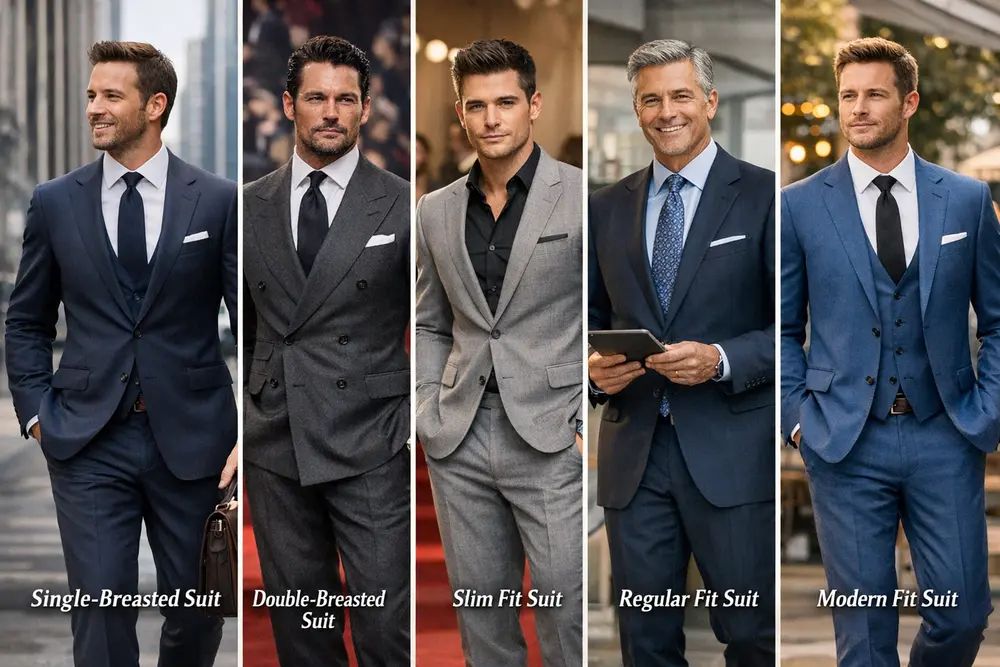
A suit isn’t just clothing, it’s a statement of identity. From the man in the suit walking down Wall Street to a guy in a suit attending a destination wedding, suits define confidence, style, and authority. Men and style have evolved beyond simply wearing a blazer and trousers; today, men’s style is about understanding suit kinds, fits, fabrics, and occasions.
According to a 2023 report by the Fashion Retail Academy, over 78% of professionals believe wearing a properly fitted suit increases perceived confidence and credibility. Real-life example: David Gandy, the iconic British male model, often pairs tailored single-breasted suits for business events and double-breasted suits for red-carpet appearances, demonstrating how different suit types serve unique purposes.
In this guide, we’ll explore the top 5 suit types for men, including details on fits, lapels, fabrics, vents, and styling tips, ensuring that whether you are the man in the suit or simply exploring mens style, you make informed sartorial choices.
The five main types of suits for men are:
- Single-Breasted Suit – Versatile, ideal for business and weddings.
- Double-Breasted Suit – Dressier, powerful silhouette, formal events.
- Slim Fit Suit – Close-fitting, emphasizes athletic or lean builds.
- Regular Fit Suit – Classic comfort, suitable for most body types.
- Modern Fit Suit – Hybrid between slim and regular, versatile for office and semi-formal events.
Each suit has unique features, fabrics, lapels, and button configurations suited for specific occasions. Choosing the right one depends on your body type, personal style, and event requirements.
1. Single-Breasted Suit

History and Overview
The single-breasted suit is the foundation of menswear, dating back to 19th-century British tailoring. Characterized by a single row of buttons and a narrow overlap of fabric, it’s versatile for both casual and formal settings.
Features:
- One vertical row of 1–3 buttons
- Can have notch, peak, or shawl lapels
- Slightly tapered waist
Effect:
- Slims down the waist
- Draws attention away from the stomach
- Works for all body types
Best For:
- Daily business wear
- Weddings
- Smart-casual events
Styling Tips:
- Pair with Oxford or Derby shoes for formal looks
- Add a pocket square for evening events
- Opt for navy or charcoal for versatility
Ryan Reynolds often chooses single-breasted navy suits for premieres, blending men’s style and approachability.
2. Double-Breasted Suit
History and Overview
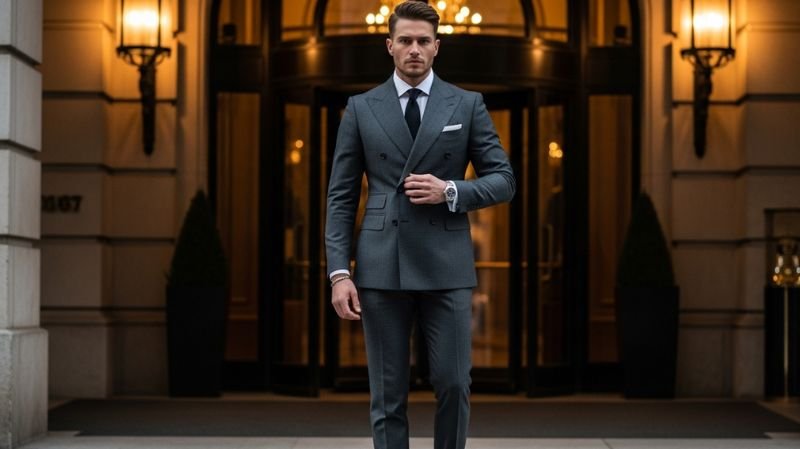
Originating from 1930s European fashion, the double-breasted suit exudes authority. With two vertical rows of buttons, it creates a broad-shouldered, V-shaped silhouette, ideal for formal occasions.
Features:
- Two parallel rows of buttons (4–8 buttons)
- Wider overlap fabric
- Typically paired with peak lapels
Effect:
- Accentuates shoulders and height
- Slimming waistline
- More formal appearance
Best For:
- Weddings and galas
- Fashion-forward statements
- Formal corporate events
Styling Tips:
- Wear with slim trousers to avoid bulk
- Classic colors: grey, navy, black
- Avoid casual fabrics; wool or tweed is ideal
Example: Tom Ford collections frequently showcase double-breasted suits, combining timeless men’s style with modern tailoring.
3. Slim Fit Suit
Overview
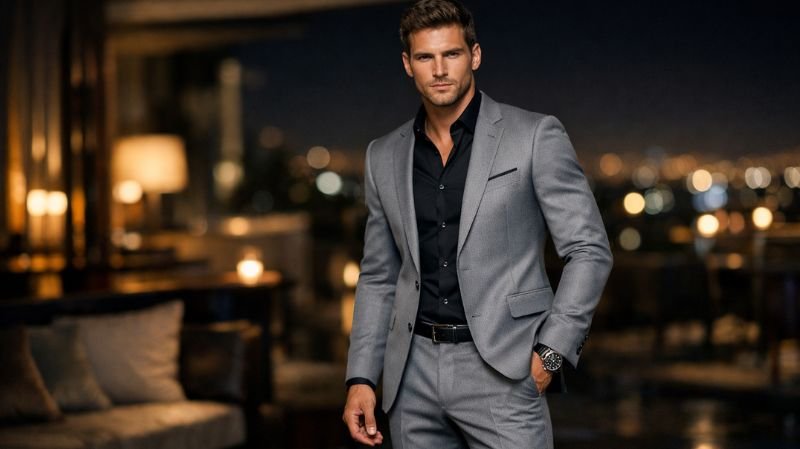
A slim fit suit hugs the body, emphasizing a natural silhouette. It’s tailored around the chest, waist, and shoulders, ideal for lean or athletic men.
Features:
- Close-fitting, narrow chest and shoulders
- Tapered legs
- Modern, sleek look
Effect:
- Highlights physique
- Offers contemporary, stylish appearance
Best For:
- Business events
- Evening parties
- Dates and casual weddings
Styling Tips:
- Avoid overly heavy fabrics to maintain sleek lines
- Pair with pointed shoes for a polished appearance
Example: Zac Efron favors slim fit suits on red carpets, a great example of the man in the suit with athletic build.
4. Regular Fit Suit

Overview
Known as the classic fit, the regular suit balances comfort and elegance. It’s less tapered than slim fit, providing ease of movement while maintaining structure.
Features:
- Mid-length jacket
- Straight-leg trousers
- Slightly fitted around chest and waist
Effect:
- Provides a relaxed but refined look
- Suitable for all body types
Best For:
- Corporate offices
- Interviews
- Daily professional wear
Styling Tips:
- Pair with traditional leather shoes
- Stick to muted colors for versatile use
Example: Senior executives in Fortune 500 companies often adopt regular fit suits, combining professionalism and men’s style.
5. Modern Fit Suit
Overview
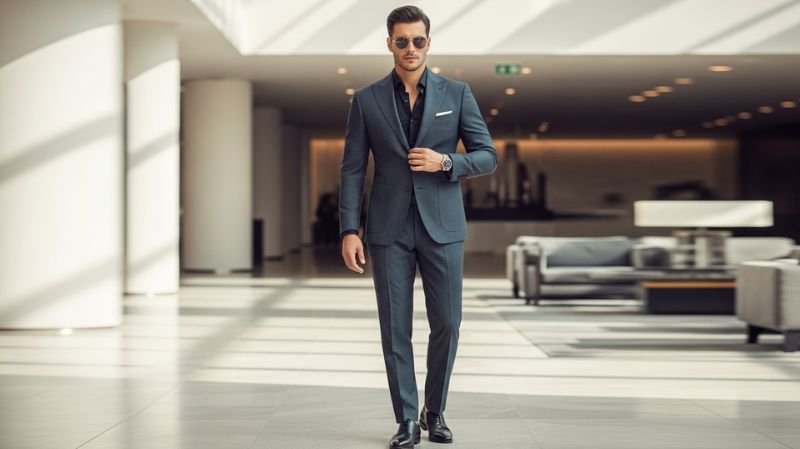
The modern fit suit is a hybrid between slim and regular, providing structure with comfort. It’s versatile for office and semi-formal events.
Features:
- Close fit with slightly relaxed waist
- Modern V-shape silhouette
- Adapts to multiple body types
Effect:
- Offers a balanced, tailored look
- Can transition between business and social settings
Best For:
- Office wear
- Semi-formal events
- Travel-friendly wardrobe
Example: Chris Hemsworth is often seen in modern fit suits for press tours, exemplifying guy in suit style effortlessly.
Quick Comparison Table of Suit Types
| Suit Type | Fit | Formailty | Best For | Style Keywords |
| Single-Breasted | Versatile | Casual to Formal | Office, Weddings | man in suit, mens instyle |
| Double-Breasted | Structured | Formal | Weddings, Galas | the man in the suit, suit kinds |
| Slim Fit | Close-fitting | Semi-Formal | Evening, Dates | guy in suit, men and style |
| Regular Fit | Relaxed | Versatile | Corporate, Interviews | mens instyle, suit kinds |
| Modern Fit | Hybrid | Semi-Formal | Office, Travel | man in suit, men and style |
Choosing the Right Suit Fabric
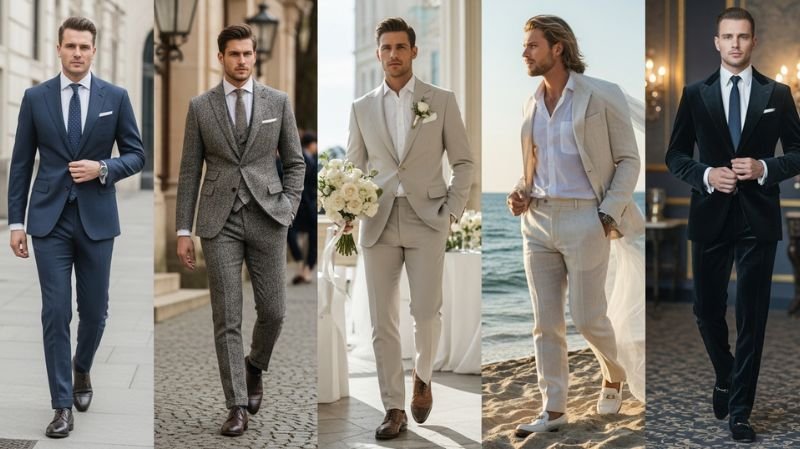
1. Wool
- Durable, breathable, wrinkle-resistant
- Year-round wear
2. Tweed
- Warm, textured
- Fall/winter events
3. Cotton
- Lightweight, breathable
- Summer weddings
4. Linen
- Highly breathable, natural wrinkles
- Beach or resort weddings
5. Velvet
- Luxurious, eye-catching
- Evening or cocktail events
Authority Paragraph
According to the Savile Row Tailors Association, the choice of suit fit, fabric, and lapel can significantly influence first impressions in professional settings. A well-fitted single-breasted or slim-fit suit conveys confidence and competence, while a double-breasted or velvet suit signals style-forward thinking. The man in the suit isn’t just about clothing, it’s about projecting authority, elegance, and personal brand identity.
Conclusion
Choosing the right suit is about more than fashion, it’s a statement of identity, confidence, and professionalism. From the versatile single-breasted to the statement-making double-breasted, each type offers unique advantages. Pair the right fit, fabric, lapel, and accessories to suit your body type, occasion, and personality. Remember, the man in the suit is defined not just by the suit itself, but by how confidently he carries it.
Upgrade your wardrobe today with a suit that fits, flatters, and defines your style. Explore options in single-breasted, double-breasted, and slim fit suits to achieve effortless men’s style and elegance for every occasion.
FAQs
1. What are the most versatile suits for men?
Single-breasted suits are versatile, fitting both office and semi-formal events.
2. How do I choose between slim and regular fit?
Slim fit suits for lean builds, regular fit for comfort and classic style.
3. Are double-breasted suits suitable for short men?
They’re best for taller or athletic builds; shorter men should prefer single-breasted for proportion.
4. Which fabrics are best for summer suits?
Linen and lightweight cotton are breathable and ideal for warm weather.
5. How many buttons should a formal suit have?
Two-button suits are classic and versatile; three-button suits offer a traditional look.
6. Can I wear velvet suits during the day?
Velvet is best for evening or festive occasions due to its sheen.
7. What lapels are best for formal events?
Peak and shawl lapels are preferred for formal attire; notch lapels are more versatile.
8. Should I button my suit jacket when sitting?
Always unbutton two- or three-button jackets while sitting to maintain shape.
9. Are three-piece suits outdated?
No, they’re classic and elevate formality; perfect for weddings and business events.
10. How to care for different suit fabrics?
Wool: dry clean; Linen: steam or press; Velvet: professional dry clean; Cotton: iron carefully.