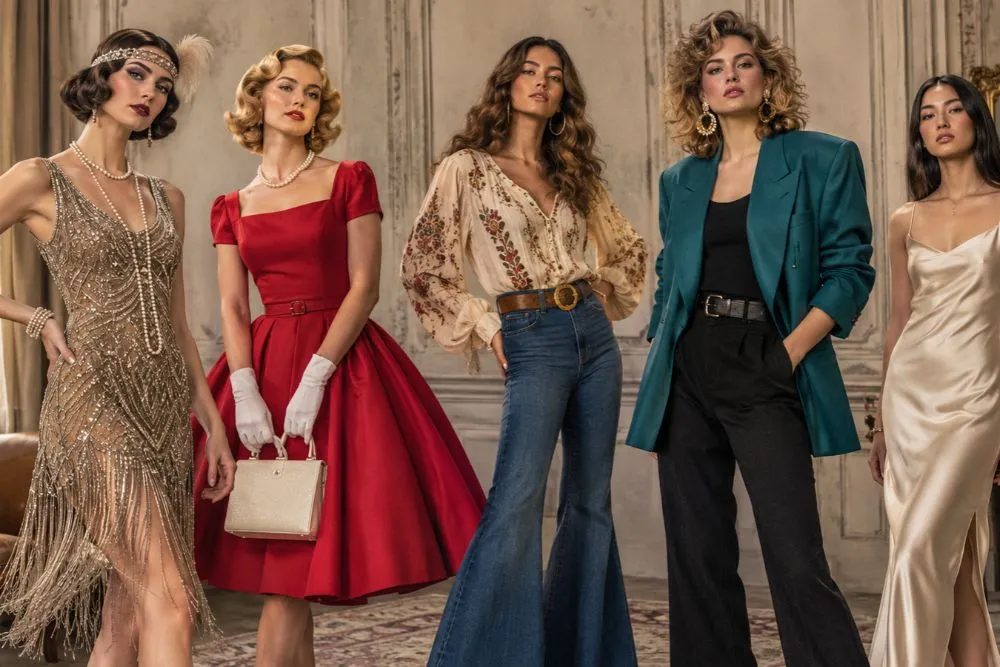
Old school fashion brings together iconic clothing trends from the 1920s to the early 2000s, giving modern wardrobes a timeless, distinctive look. From flapper dresses and 1950s fit-and-flare skirts to 1990s grunge and Y2K denim, these 30 old school styles show how to bring vintage-inspired fashion into everyday outfits.
Whether you love polished preppy outfits, relaxed retro denim, or bold statement pieces, you can adapt these classic looks to suit your personal style today.
What Is Old School Fashion?
Old school fashion refers to clothing, footwear, accessories, and styling trends inspired by earlier decades. It draws from distinctive fashion movements, including the glamour of the 1920s, the elegance of the 1950s, the experimental looks of the 1970s, and the relaxed streetwear of the 1990s.
Unlike wearing a completely vintage outfit, modern old school style combines recognizable retro elements with contemporary pieces. For example, you could wear high-waisted jeans with a fitted modern top or pair a classic blazer with relaxed trousers.
The appeal lies in its versatility. You can recreate a particular decade or mix influences to create a look that feels personal.
30 Iconic Old School Fashion Styles to Wear Today
From elegant vintage silhouettes to nostalgic streetwear, these 30 styles offer plenty of inspiration for updating your wardrobe.
1920s Old School Fashion

The 1920s introduced a more relaxed approach to women’s fashion. Dropped waistlines, shorter hemlines, decorative details, and comfortable silhouettes became defining features of the decade.
1. Flapper Dresses
The Flapper dresses are among the most recognizable styles of the 1920s. They typically feature loose silhouettes, dropped waistlines, fringe, sequins, beads, and decorative embellishments.
For a modern interpretation, choose a fringe dress with understated heels and minimal jewelry. You can also wear a simple embellished dress for an evening event.
2. Cloche Hats and Art Deco Details
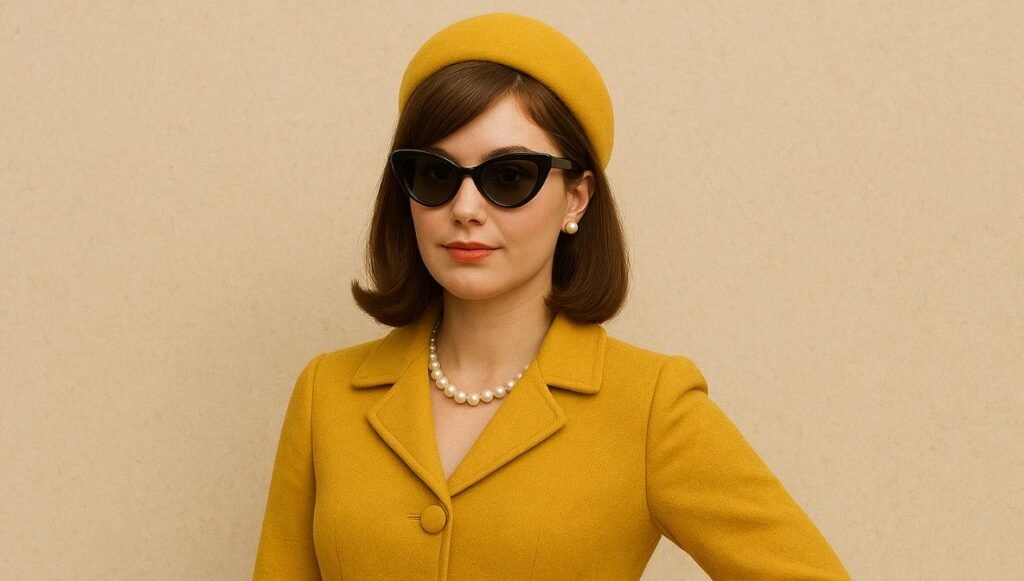
Cloche hats became a defining accessory of 1920s fashion. Their close-fitting, bell-shaped design was often worn low over the forehead.
Today, you can recreate this old school look with a structured cloche-style hat, a tailored coat, and simple accessories. Art Deco-inspired jewelry also adds a recognizable vintage touch.
1930s and 1940s Old School Fashion

Fashion during the 1930s emphasized feminine silhouettes and elegant tailoring. The 1940s brought more practical clothing, particularly during World War II, while maintaining a polished appearance.
3. Hollywood Glamour Dresses
Inspired by classic Hollywood fashion, these dresses feature fluid fabrics, elegant draping, defined waists, and sophisticated silhouettes.
Bias-cut gowns became especially associated with 1930s eveningwear. For a contemporary outfit, choose a satin slip dress with delicate jewelry and simple heels.
4. Pencil Skirts and Fitted Blouses
Pencil skirts became popular in the postwar period, particularly during the 1950s, but their fitted silhouette reflects the polished tailoring associated with mid-century fashion.
Pair a knee-length pencil skirt with a tucked-in blouse and pointed-toe shoes. This combination works well for office outfits and smart occasions.
5. High-Waisted Wide-Leg Trousers
High-waisted trousers with wide legs were a prominent part of women’s fashion during the 1930s and 1940s. They offered a comfortable alternative to restrictive clothing while creating a long, elegant silhouette.
Wear them with a tucked-in shirt, fitted knitwear, or a cropped jacket. Choose structured fabrics for a more authentic vintage-inspired appearance.
1950s Old School Fashion
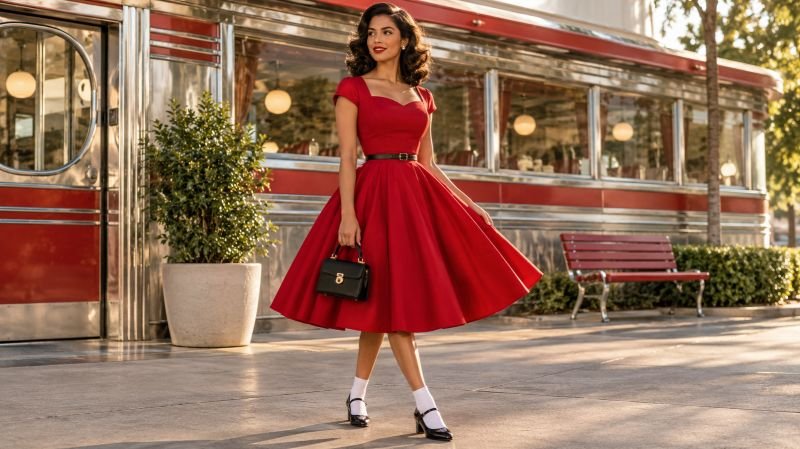
The 1950s are remembered for defined waistlines, full skirts, feminine dresses, leather jackets, and polished everyday outfits.
6. Rockabilly Fashion
Rockabilly fashion combines 1950s-inspired clothing with influences from early rock-and-roll culture.
Common pieces include high-waisted jeans, fitted tops, leather jackets, checked patterns, and bold accessories.
For a modern outfit, wear dark denim with a fitted T-shirt, a leather jacket, and ankle boots.
7. Fit-and-Flare Dresses
Fit-and-flare dresses feature a fitted upper body and a skirt that gradually widens from the waist. This silhouette became especially popular during the 1950s.
You can wear one with ballet flats for daytime styling or add heels and a small handbag for a more dressed-up look.
8. Poodle and Circle Skirts
Full circle skirts and poodle skirts are classic examples of 1950s fashion. Their voluminous shape and defined waist create a playful vintage appearance.
Style a circle skirt with a fitted sweater, a tucked-in blouse, or a simple T-shirt. Keep the footwear understated to balance the fuller silhouette.
9. Leather Jackets and White T-Shirts
The combination of a leather jacket and a plain white T-shirt became closely associated with rebellious youth culture in the 1950s.
It remains one of the easiest old school outfits to recreate. Wear a fitted white tee with straight-leg jeans, a black leather jacket, and classic sneakers or boots.
1960s Old School Fashion

The 1960s brought major changes in fashion, including shorter hemlines, bold prints, youthful silhouettes, and experimental styling.
10. Mod Mini Dresses
Mod fashion became associated with clean lines, geometric patterns, bold colors, and short hemlines.
A simple A-line mini dress is an easy way to recreate the look. Add knee-high boots or Mary Jane shoes for a recognizable 1960s-inspired outfit.
11. Go-Go Boots
Go-go boots became a defining footwear trend of the 1960s. Their simple shape and mid-calf or knee-high length made them a popular choice with mini skirts and dresses.
Wear white or black boots with an A-line dress or a short skirt. For everyday styling, choose a more minimal outfit to let the boots stand out.
12. Psychedelic Prints and Color Blocking
Bright colors, swirling patterns, and graphic prints became popular during the later 1960s.
You can incorporate this trend through a printed blouse, colorful trousers, or a patterned mini dress. If bold prints feel overwhelming, keep the rest of your outfit neutral.
13. Preppy and Collegiate Outfits
Preppy fashion draws inspiration from American university style, particularly Ivy League clothing traditions. It emphasizes neat tailoring, classic knitwear, button-down shirts, and practical footwear.
Build a modern preppy outfit with an Oxford shirt, tailored trousers, a cable-knit sweater, and loafers.
1970s Old School Fashion

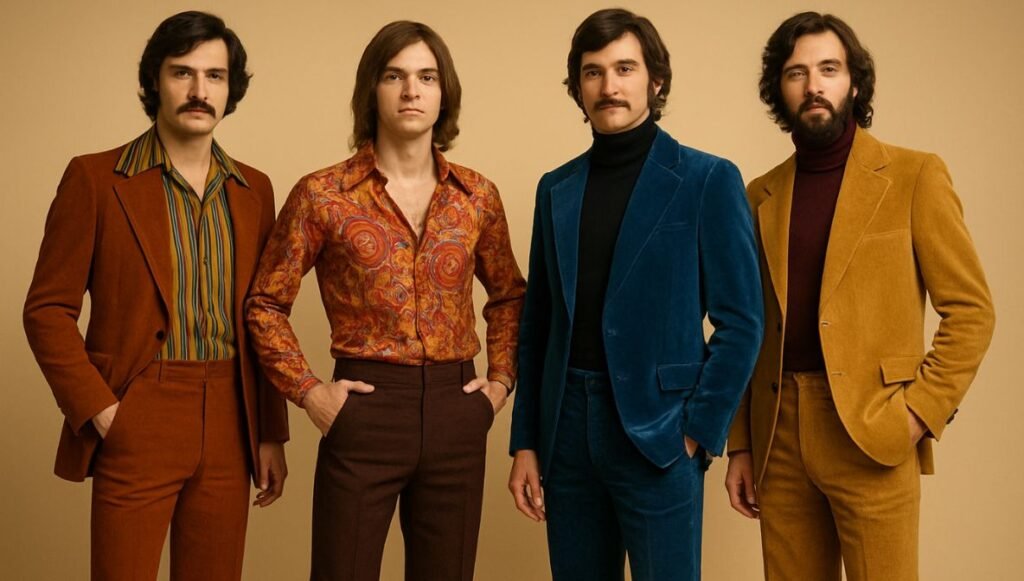
The 1970s brought expressive silhouettes, earthy colors, bohemian influences, disco glamour, and platform footwear.
14. Bell-Bottom Jeans
Bell-bottom jeans are one of the most recognizable trends of the 1970s. They fit closely through the thighs before widening dramatically below the knees.
Wear them with a fitted top, a tucked-in blouse, or a lightweight knit. Platform shoes can help complete the retro silhouette.
15. Bohemian and Hippie Fashion
Bohemian fashion became strongly associated with the 1970s counterculture. Flowing dresses, embroidered tops, flared jeans, fringe, and natural fabrics were popular elements.
For a modern interpretation, pair a flowing maxi skirt with a simple fitted top. Add leather sandals or a fringe bag for a relaxed finish.
16. Disco Jumpsuits
Disco fashion embraced bold silhouettes, metallic fabrics, dramatic necklines, and eye-catching designs.
A fitted jumpsuit with a flared leg is an easy way to capture the decade’s party aesthetic. Choose metallic accessories or statement earrings to complete the look.
17. Suede and Fringe
Suede jackets, fringe details, and earthy colors became popular in 1970s-inspired bohemian styling.
A suede jacket can add texture to a simple outfit. Pair it with denim, a plain shirt, and ankle boots for an everyday retro look.
18. Platform Shoes
Platform shoes were a major footwear trend during the 1970s. Their thick soles added height and complemented the decade’s flared trousers and dramatic outfits.
Wear platform sandals with wide-leg trousers or choose platform boots to add a retro touch to a simple dress.
1980s Old School Fashion
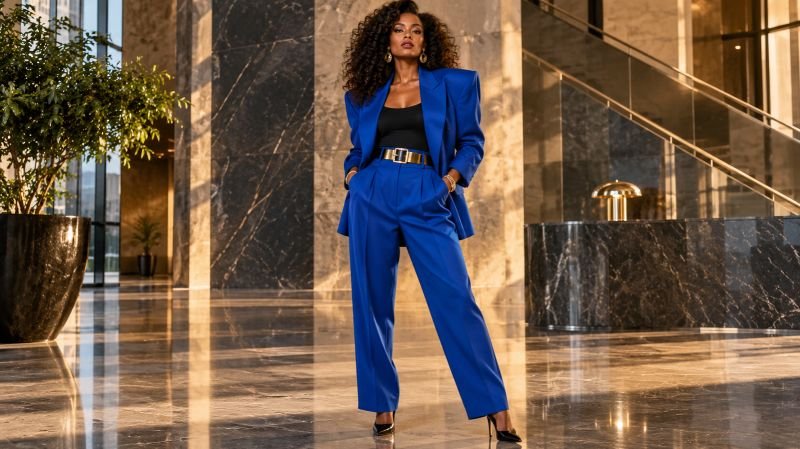
The 1980s were known for oversized silhouettes, expressive colors, bold accessories, athletic influences, and power dressing.
19. Oversized Blazers and Power Suits
Power dressing became a defining feature of 1980s fashion. Structured shoulders, tailored jackets, and coordinated suits created confident, formal silhouettes.
For a modern version, wear an oversized blazer with straight-leg trousers or jeans. Add a fitted top to balance the proportions.
20. Acid-Wash Denim
Acid-wash denim became a recognizable casual trend during the 1980s. Its faded, uneven finish gave jeans and jackets a distinctive appearance.
Pair acid-wash jeans with a plain T-shirt, sweatshirt, or leather jacket. Keep accessories simple to avoid making the outfit feel overly busy.
21. Athletic Tracksuits
Sportswear influenced everyday fashion during the 1980s. Tracksuits, sweatshirts, and athletic sneakers became popular casual clothing choices.
You can recreate the look with a coordinated tracksuit or mix a vintage-inspired sweatshirt with relaxed jeans and sneakers.
22. Neon Colors and Statement Accessories
Bright pink, electric blue, fluorescent green, and bold accessories were common in 1980s-inspired styling.
You do not need a head-to-toe neon outfit to try this trend. Add a bright belt, colorful earrings, or a statement bag to a neutral outfit.
1990s Old School Fashion
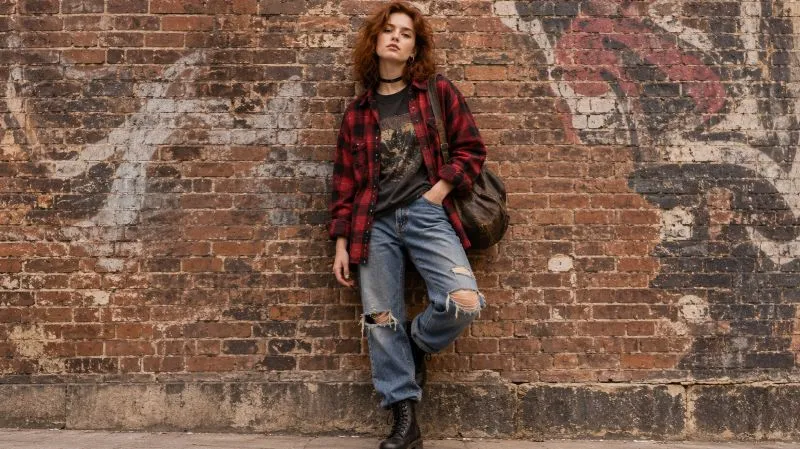
The 1990s introduced a mix of minimalism, grunge, hip-hop influences, relaxed denim, and understated everyday clothing.
23. Grunge Fashion
Grunge fashion emerged from the alternative music scene and became widely recognizable through its relaxed, layered appearance.
Flannel shirts, distressed denim, oversized sweaters, and combat boots are classic elements. Wear an open plaid shirt over a basic tee with straight-leg jeans for an easy modern outfit.
24. Slip Dresses and Minimalist Outfits
The 1990s popularized simple silhouettes, neutral colors, and understated styling. Slip dresses became especially recognizable as evening and daywear pieces.
Wear a slip dress with sneakers for a casual look or add a blazer and heels for a more polished outfit.
25. Mom Jeans
Mom jeans are typically characterized by a high waist, relaxed fit through the hips, and tapered or straight legs.
Pair them with a tucked-in T-shirt, fitted knitwear, or a cropped jacket. Sneakers and loafers both work well with this classic denim style.
26. Hip-Hop Streetwear
1990s hip-hop fashion helped popularize oversized clothing, loose jeans, graphic T-shirts, tracksuits, sneakers, and statement accessories.
For a modern interpretation, combine relaxed-fit jeans with a graphic tee and classic sneakers. Focus on fit and proportion rather than making every piece oversized.
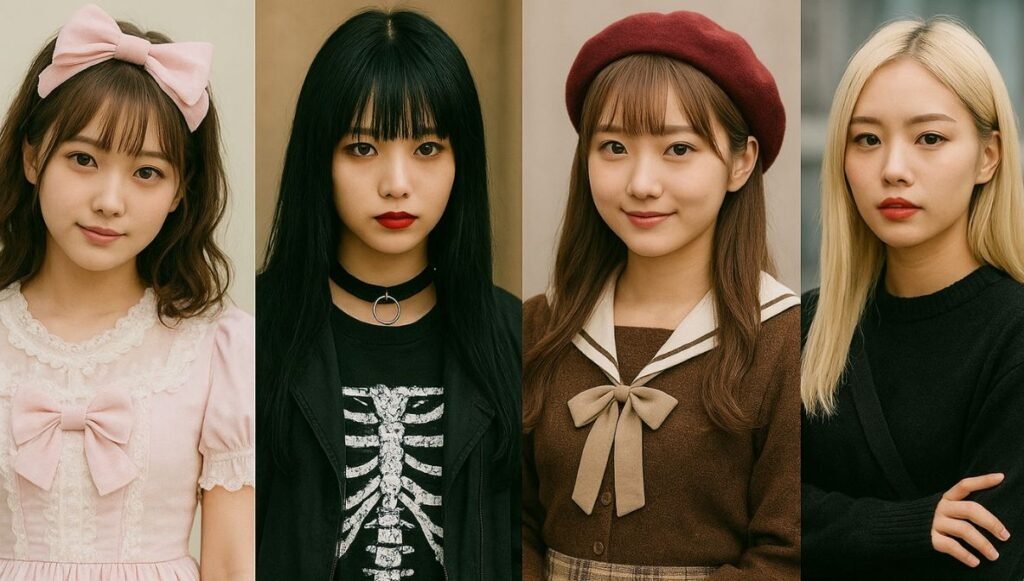
27. Preppy Plaid and Baby Tees
The 1990s also brought a youthful interpretation of preppy fashion. Plaid skirts, fitted baby tees, cardigans, and knee-high socks became recognizable outfit elements.
For a contemporary look, pair a plaid mini skirt with a fitted top and loafers. A cardigan can make the outfit feel more polished.
Early 2000s Old School Fashion

The early 2000s introduced the Y2K aesthetic, characterized by playful proportions, low-rise silhouettes, shiny fabrics, and statement accessories.
28. Low-Rise Jeans and Crop Tops
Low-rise jeans and fitted crop tops became defining elements of early 2000s fashion.
For a modern interpretation, pair low-rise denim with a slightly longer fitted top or a structured jacket. This creates a more balanced silhouette while retaining the nostalgic look.
29. Cargo Pants
Cargo pants became popular in early 2000s casual fashion. Their multiple pockets, relaxed shape, and practical design made them a recognizable wardrobe staple.
Style them with a fitted tank top, cropped sweater, or simple T-shirt. Sneakers and chunky sandals both complement the look.
30. Velour Tracksuits and Mini Shoulder Bags
Matching velour tracksuits and compact shoulder bags became iconic early 2000s fashion choices.
You can recreate the look with a coordinated zip-up set and a small shoulder bag. For everyday wear, mix one nostalgic piece with modern basics.
Why Preppy and Old School Glamour Never Go Out of Style
Preppy fashion and old school glamour continue to influence modern wardrobes because they combine recognizable silhouettes with versatile, wearable pieces.
Preppy style is rooted in collegiate clothing traditions, particularly the Ivy League aesthetic. Its defining elements include Oxford shirts, tailored blazers, knitwear, pleated skirts, loafers, and khaki trousers.
Old school glamour, meanwhile, draws from the elegance of earlier decades. Think structured tailoring, refined accessories, polished hairstyles, and beautifully proportioned outfits.
The Influence of Classic Designers
Several designers and fashion labels have helped keep traditional American style relevant.
- Ralph Lauren: Known for combining American heritage, tailored clothing, sportswear, and polished casual style.
- Tommy Hilfiger: Helped popularize a youthful interpretation of classic American preppy fashion.
- J.Crew: Became associated with accessible, mix-and-match wardrobe staples, including chinos, knitwear, blazers, and button-down shirts.
- Thom Browne: Reinterprets traditional tailoring through distinctive proportions and unconventional styling.
Cultural Icons Who Made Old School Fashion Popular
Film, television, music, and public figures have helped bring classic fashion trends to new generations.
- Diane Keaton in Annie Hall: Popularized an androgynous combination of tailored trousers, waistcoats, shirts, ties, and hats.
- Princess Diana: Became known for polished tailoring, relaxed knitwear, sweatshirts, cycling shorts, and understated accessories.
- Cher in Clueless: Helped make coordinated plaid sets and youthful preppy outfits iconic.
- Taylor Swift: Has incorporated vintage-inspired cardigans, romantic dresses, and classic styling into her public fashion looks.
Essential Pieces for a Preppy Old School Wardrobe
| Wardrobe essential | How to style it |
| Tailored blazer | Wear with jeans, trousers, or a pleated skirt |
| Oxford shirt | Pair with chinos, denim, or tailored shorts |
| Cable-knit sweater | Layer over a collared shirt |
| Fair Isle sweater | Style with dark denim or neutral trousers |
| Pleated skirt | Pair with a fitted knit or button-down shirt |
| Loafers | Wear with tailored trousers, skirts, or jeans |
| Khaki trousers | Combine with an Oxford shirt or striped sweater |
| Pearl jewelry | Add to simple dresses and polished outfits |
| Striped sweater | Wear with denim or classic trousers |
You do not need to buy an entirely new wardrobe to achieve this aesthetic. Start with a few timeless pieces and combine them with clothing you already own.
How to Wear Old School Fashion Without Looking Outdated
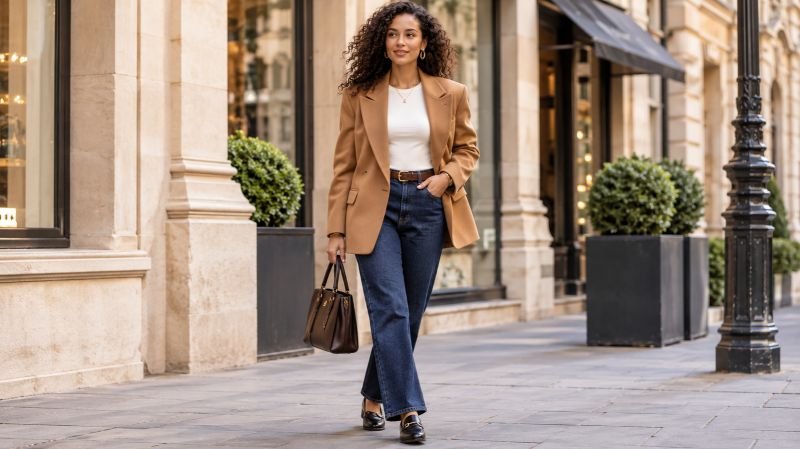
The key to wearing old school fashion today is to borrow from the past without copying an entire historical outfit. A thoughtful combination of vintage-inspired and contemporary pieces makes retro styling feel natural.
1. Mix Vintage Pieces With Modern Basics
Pair a vintage blazer with contemporary jeans or wear a retro graphic tee with modern tailored trousers. This creates contrast while keeping the outfit wearable.
2. Balance Proportions
If you wear wide-leg trousers, try a fitted top. If you choose an oversized blazer, balance it with a streamlined bottom.
This helps prevent multiple oversized or voluminous pieces from overwhelming your silhouette.
3. Choose One Statement Piece
You do not need several retro elements in one outfit. A leather jacket, plaid skirt, flared jeans, or vintage-inspired handbag can make enough of a statement on its own.
4. Use Accessories to Add a Retro Touch
Accessories are an easy way to experiment with old school style. Consider:
- Cat-eye sunglasses
- Leather belts
- Pearl necklaces
- Vintage-inspired watches
- Structured handbags
- Bandanas and headbands
- Classic loafers
- Retro sneakers
5. Experiment With Colors and Patterns
Different decades are associated with different color palettes. The 1960s embraced bold geometric patterns, the 1970s favored earthy tones, and the 1980s became known for bright colors.
Choose colors that complement your existing wardrobe rather than following every retro trend at once.
Which Old School Fashion Era Should You Try?
Not sure where to start? Choose a decade based on the clothing and overall aesthetic you enjoy most.
| Fashion era | Signature style | Best pieces to try |
| 1920s | Decorative glamour | Fringe dresses, cloche hats |
| 1930s–40s | Elegant tailoring | Wide-leg trousers, fitted blouses |
| 1950s | Feminine silhouettes | Circle skirts, fit-and-flare dresses |
| 1960s | Mod and collegiate | Mini dresses, loafers |
| 1970s | Bohemian and disco | Bell-bottoms, platforms, suede |
| 1980s | Bold and structured | Oversized blazers, acid-wash denim |
| 1990s | Minimalist and grunge | Slip dresses, mom jeans, flannel |
| Early 2000s | Y2K casual | Cargo pants, crop tops, mini bags |
You can also combine different decades. For example, wear 1970s flared jeans with a 1990s minimalist top or style an 1980s oversized blazer with modern straight-leg denim.
Where to Find Old School Fashion Pieces
You can recreate old school outfits without relying exclusively on expensive vintage clothing.
Consider these places when building your wardrobe:
- Thrift stores: Look for distinctive jackets, denim, knitwear, and accessories.
- Vintage boutiques: Explore curated pieces from specific decades.
- Secondhand marketplaces: Search for classic brands, older silhouettes, and pre-owned accessories.
- Your own wardrobe: Check for timeless items that can be styled in new combinations.
- Contemporary retailers: Look for modern versions of retro silhouettes, such as wide-leg trousers, loafers, and tailored blazers.
When shopping for vintage clothing, check fabric condition, seams, fastenings, and measurements. Older sizing can differ significantly from modern sizing.
Final Thoughts
Old school fashion proves that great style does not belong to just one decade. From the glamour of the 1920s to the relaxed streetwear of the 1990s and the playful energy of Y2K, each era offers something worth bringing into a modern wardrobe.
You can embrace old school style through a single statement piece or create a complete outfit inspired by your favorite decade. Experiment with different silhouettes, textures, and accessories to discover combinations that feel authentic to you.
Which old school fashion era is your favorite? Explore these 30 iconic styles, find the pieces that suit your personality, and make timeless fashion your own.
FAQs
1. What is old school fashion?
Old school fashion refers to clothing and styling inspired by earlier decades, especially the 1920s through the early 2000s. It includes iconic trends such as flapper dresses, bell-bottom jeans, oversized blazers, grunge outfits, and Y2K clothing.
2. What are the most popular old school fashion styles?
Some popular old school styles include 1950s fit-and-flare dresses, 1960s mod outfits, 1970s bell-bottoms, 1980s power suits, 1990s grunge fashion, and early 2000s cargo pants.
3. How can I dress in an old school style today?
Start with one retro-inspired piece, such as flared jeans, a leather jacket, a plaid skirt, or an oversized blazer. Combine it with modern basics and accessories to create a balanced outfit.
4. What is the difference between vintage, retro, and old school fashion?
Vintage clothing generally refers to original garments from an earlier period. Retro fashion describes newer clothing inspired by past trends, while old school fashion is a broader term for classic styles and aesthetics associated with earlier decades.
5. Which decade had the best old school fashion?
It depends on personal preference. The 1950s are known for feminine silhouettes, the 1970s for expressive bohemian and disco styles, the 1980s for bold power dressing, and the 1990s for minimalist and grunge outfits.
6. Is preppy fashion considered old school fashion?
Yes. Preppy fashion is one type of old school style, drawing inspiration from collegiate and Ivy League clothing traditions. Classic pieces include Oxford shirts, tailored blazers, chinos, loafers, and cable-knit sweaters.
7. Can I mix different old school fashion eras?
Absolutely. You can combine elements from different decades to create a distinctive outfit. For example, pair 1970s flared jeans with a 1990s fitted top or wear a vintage-inspired 1950s skirt with contemporary sneakers.
8. What shoes go best with old school outfits?
The best shoes depend on the decade and outfit. Loafers, Mary Janes, platform shoes, go-go boots, combat boots, ballet flats, and retro sneakers all work well with different old school styles.
9. Where can I buy old school fashion clothing?
Try thrift stores, vintage boutiques, secondhand marketplaces, and contemporary retailers that offer retro-inspired designs. Check measurements and garment condition when purchasing original vintage clothing.
10. Is old school fashion still trending?
Old school fashion continues to influence contemporary clothing through recurring trends such as wide-leg denim, oversized blazers, loafers, slip dresses, plaid patterns, and vintage-inspired accessories. Its appeal comes from the ability to adapt classic pieces to modern outfits.