
A few summers ago, my mom finally admitted something she’d been putting off telling anyone: her feet hurt by the end of every single day. Not a little sore, actually hurt, to the point where she’d sit down the second she got home and not want to get back up. She’d been blaming it on age, on standing too much at work, on old age creeping in. It wasn’t until her doctor asked what shoes she’d been wearing that the real problem came out. She’d been living in flip-flops and flat sandals for years because they were easy, not because they were doing her feet any favors.
That conversation is what got me looking into orthopedic sandals in the first place, and honestly, it opened my eyes to how much this category has changed.
They’re Not What You’re Picturing
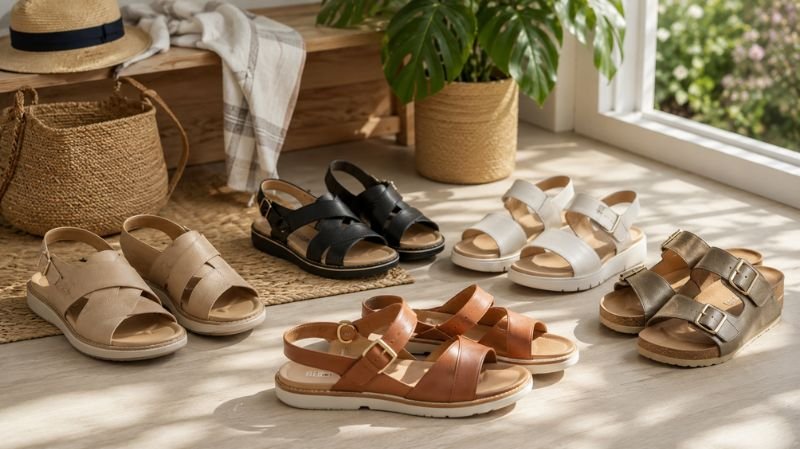
Say “orthopedic sandals” to most people and they’ll picture something bulky, beige, and a little sad looking, the kind of shoe you wear because you have no other choice. That reputation is outdated. The orthopedic sandals being made now are built with actual design in mind, not just function. You can find leather straps, clean silhouettes, and colors that don’t scream “medical device.” Stylish orthopedic sandals exist, and they’re not hard to find anymore if you know where to look.
What hasn’t changed, thankfully, is the part that actually matters: the support underneath.
What Makes a Sandal “Orthopedic” in the First Place
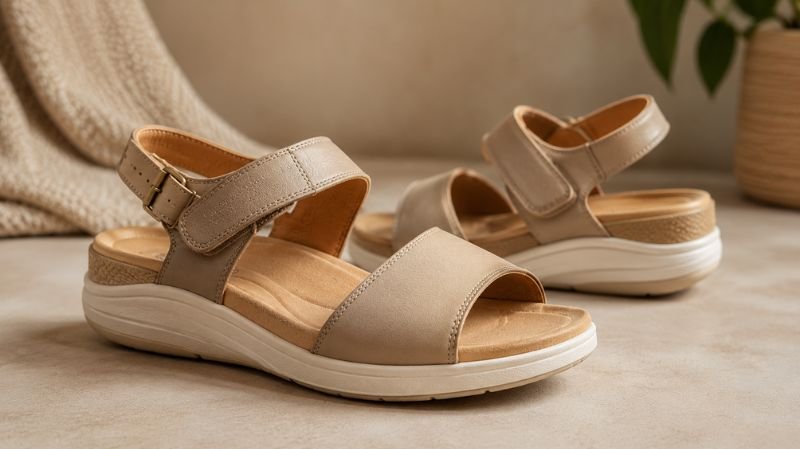
The word gets thrown around loosely, so it’s worth breaking down. A true orthopedic sandal is built around the shape of a foot rather than expecting your foot to mold itself to a flat piece of rubber. That usually means:
- A footbed with a real contour, so your arch isn’t just resting on flat ground all day
- Enough cushioning in the heel to absorb impact with each step
- A wider toe box so your toes aren’t squeezed together
- Straps that adjust, since feet swell a bit as the day goes on
That combination is what separates comfort orthopedic sandals from a regular sandal that just happens to feel soft in the store. Soft isn’t the same as supportive. A lot of cheap sandals feel fine for the first ten minutes and then completely fall apart once you’re actually walking around in them for hours.
Why Arch Support Matters More Than People Realize
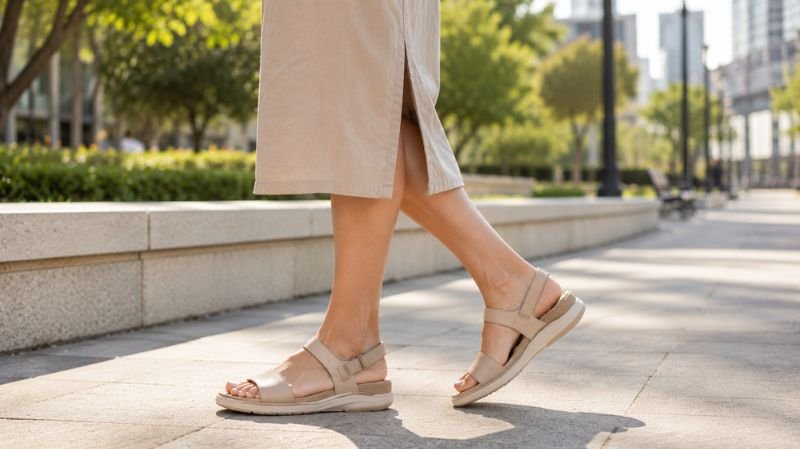
If you’ve never dealt with foot pain, arch support probably sounds like a minor detail. It isn’t. Your arch is doing a lot of quiet work every time you take a step, absorbing shock, distributing your weight, keeping your ankle and knee aligned. When a sandal offers no support there, all of that work gets shifted somewhere else in your body, usually your knees or your lower back.
This is where arch support in orthopedic sandals actually earns its reputation. A lot of mainstream sandals are built around one generic shape, so anyone whose feet don’t fit that mold, which includes a lot of women, ends up wearing something that never quite matches their foot. A properly built arch support system in a sandal isn’t about correcting anything, it’s about giving your foot the support it was already supposed to have.
Finding What’s Actually Comfortable for You
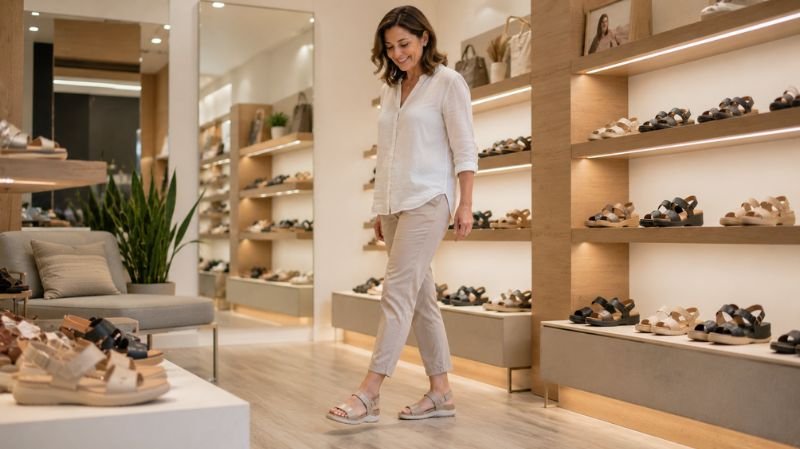
Here’s something nobody tells you when you start shopping for these: comfort is personal. What feels like the most supportive, well fitting sandal to one person might feel completely wrong on someone else’s feet. Flat feet, high arches, wide feet, narrow heels, they all need slightly different support, and there’s no single best sandal that works for everyone.
A few things that made a real difference when my mom was trying pairs on:
- Walking around the store for a few minutes, not just standing still. Pressure points show up after movement, not before it.
- Trying sandals later in the day, when feet are already slightly swollen from normal daily activity.
- Paying attention to the heel cup specifically, a lot of foot pain starts there, not in the arch.
- Not assuming a higher price automatically means better support. Some mid-range brands do arch support better than premium ones.
If you’re shopping for sandals with this kind of support and you happen to be a woman, it’s worth looking at brands that design separate models around women’s foot shapes rather than just shrinking a men’s design and calling it done. The difference in fit is noticeable.
Everyday Life, Not Just “Medical Need”
One thing I’d push back on is the idea that sandals like these are only for people with a diagnosed foot condition. Plenty of people wear them simply because they spend a lot of time standing, teachers, nurses, retail workers, parents chasing toddlers around all day. You don’t need a doctor’s note to want your feet to feel decent by six in the evening.
My mom now owns three pairs. One for errands, one nicer pair for going out, and one she keeps by the back door for gardening. None of them look like something out of a hospital supply catalog. They just look like sandals, comfortable ones, that happen to actually support her feet instead of just covering them.
The Real Payoff
The change wasn’t dramatic or instant, but it was real. Less complaining about sore feet by dinnertime. Less sitting down the second she walked in the door. She still tells people the switch felt like a small thing, but it clearly wasn’t, not to her feet, anyway.
If you’re dealing with foot pain, or you’re just tired of sandals that look fine for an hour and then betray you for the rest of the day, it’s worth actually trying a pair built with support in mind. Comfortable doesn’t have to mean plain, and support doesn’t have to mean sacrificing how something looks. The right pair can genuinely change how your whole day feels, one step at a time.