
In the fast-growing world of fashion eCommerce, the shopping cart plays a crucial role in turning visitors into paying customers. Whether you’re launching a new clothing boutique online or scaling a global fashion brand, the checkout experience directly impacts your conversion rate and overall revenue.
One of the most common questions new fashion entrepreneurs ask is: how much is a shopping cart and what is the actual cost of shopping cart systems for fashion retailers?
The answer isn’t as simple as a single number. The cost of shopping cart solutions can range from free open-source platforms to enterprise-level solutions costing thousands of dollars annually.
Understanding these costs, and what influences them, helps fashion retailers choose a platform that balances budget, scalability, and customer experience.
How much does a shopping cart cost for fashion retailers?
The cost of a shopping cart for fashion retailers typically ranges from $0 to $300+ per month for hosted eCommerce platforms, while custom enterprise solutions can cost $5,000 to $50,000+ depending on features, integrations, and store size. Open-source carts like WooCommerce can be free to start but require additional costs for hosting, plugins, payment gateways, and maintenance.
Key Takeaways
- The cost of shopping cart systems varies widely based on platform type and features.
- SaaS platforms usually cost $29–$299 per month.
- Open-source carts may be free but require hosting, development, and maintenance costs.
- Enterprise fashion brands may invest $5,000+ for custom solutions.
- Advanced features like inventory management, mobile checkout, and AI recommendations increase the overall cost.
- Choosing the right shopping cart can significantly improve conversion rates and user experience.
Factors Influencing Shopping Cart Costs for Fashion Retailers
When determining how much a shopping cart costs, several factors influence the final price. Fashion retailers must evaluate these elements carefully to ensure their platform aligns with both business needs and customer expectations.
1. Platform Type
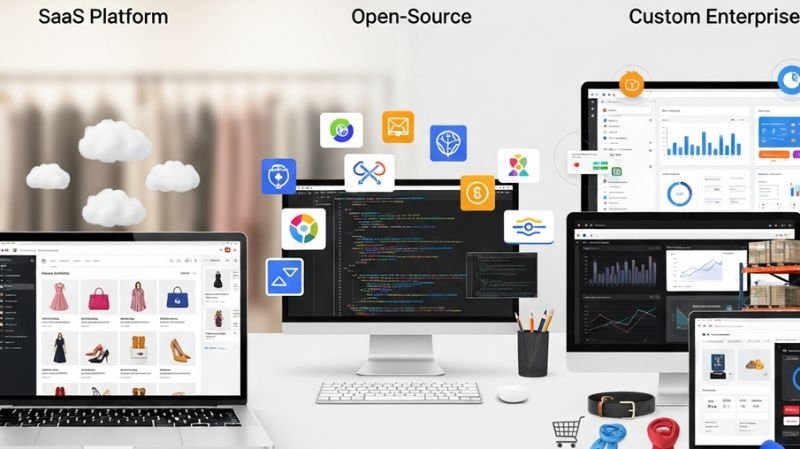
The type of eCommerce platform is the biggest factor in determining cost.
SaaS (Software as a Service)
These platforms host everything for you.
Examples include:
- Shopify
- BigCommerce
- Wix eCommerce
Typical costs:
- Basic plans: $29–$49/month
- Mid-tier plans: $79–$199/month
- Advanced plans: $299+/month
Advantages:
- Easy setup
- Secure hosting
- Built-in updates
- Customer support
Limitations:
- Monthly subscription
- Limited customization
Open-Source Shopping Carts
These platforms allow complete control but require technical management.
Examples:
- WooCommerce
- Magento Open Source
- OpenCart
Costs may include:
- Hosting: $10–$100/month
- Premium plugins: $50–$500/year
- Development: $500–$5000+
Advantages:
- Highly customizable
- Lower starting cost
- Ownership of data
Challenges:
- Requires technical expertise
- Ongoing maintenance
Custom Enterprise Solutions
Large fashion retailers often build custom shopping carts integrated with inventory systems, warehouses, and advanced analytics.
Typical costs:
- Initial development: $5,000–$50,000+
- Maintenance: $500–$2000/month
Best suited for:
- Large fashion brands
- High traffic online stores
- Global fashion retailers
2. Features and Functionalities
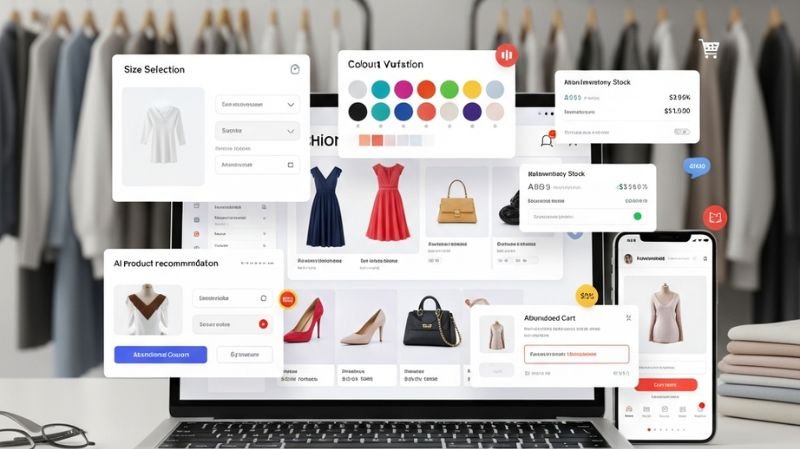
Fashion eCommerce stores often require advanced features that influence the cost of shopping cart platforms.
Common fashion-specific features include:
- Size and color selection
- Product variations
- Inventory management
- AI product recommendations
- Mobile-optimized checkout
- Abandoned cart recovery
- Discount and promotion tools
The more features required, the higher the overall investment.
3. Payment Gateway Fees
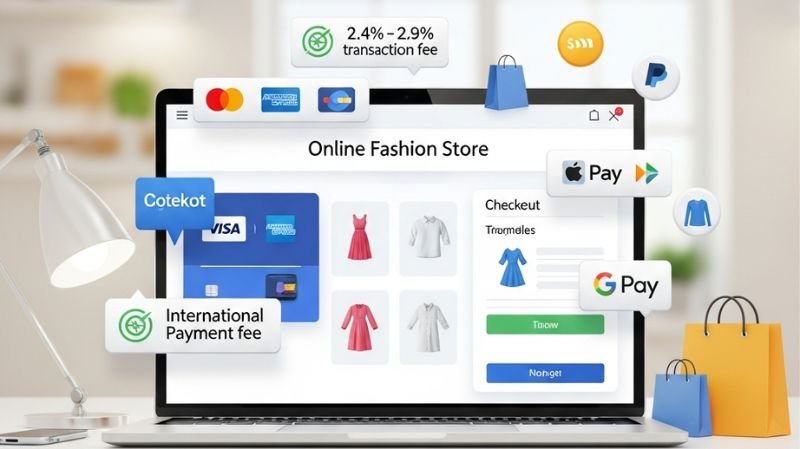
Shopping carts must integrate with payment systems like credit cards, digital wallets, and online payment providers.
Typical fees include:
- Transaction fees: 2.4%–2.9% per sale
- Payment gateway setup: sometimes free
- Additional international payment fees
Fashion retailers selling globally must factor in these costs.
4. Design and Customization
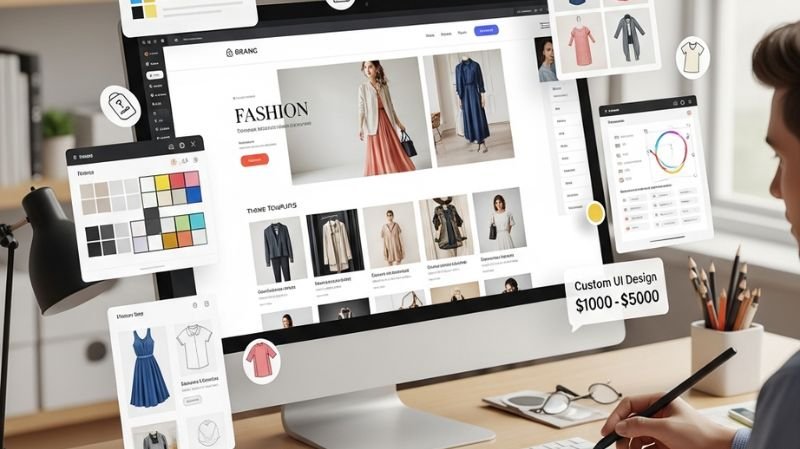
A fashion website must be visually appealing and brand-focused, which means customization often becomes necessary.
Costs may include:
- Premium themes: $50–$400
- Custom UI design: $1000–$5000
- Brand styling and UX improvements
A well-designed shopping cart improves customer experience and checkout completion rates.
5. Integrations with Other Tools
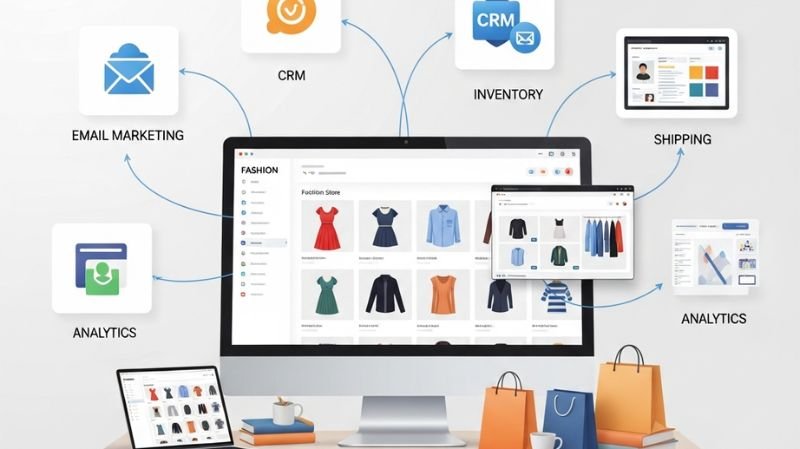
Modern fashion stores rely on multiple business tools.
Examples include:
- Email marketing platforms
- CRM systems
- Inventory management software
- Shipping and logistics integrations
- Analytics tools
Each integration can increase the overall shopping cart implementation cost.
Quick Comparison Table: Shopping Cart Costs for Fashion Retailers
| Platform Type | Average Cost | Best For | Pros | Cons |
| SaaS Platforms | $29–$299/month | Small to medium fashion brands | Easy setup, secure hosting | Monthly subscription |
| Open-Source Platforms | $0–$5000 setup | Growing fashion stores | Flexible and customizable | Requires technical setup |
| Enterprise Solutions | $5000–$50,000+ | Large fashion brands | Fully customized | Expensive development |
Comparison of Popular Shopping Cart Providers for Fashion
Choosing the right shopping cart provider is essential for fashion retailers. Below are some of the most widely used platforms.
Shopify
One of the most popular platforms for fashion brands.
Key features:
- Mobile-optimized checkout
- Inventory management
- Fashion-friendly templates
- App ecosystem
Pricing:
- $39/month basic plan
- $105/month Shopify plan
- $399/month advanced plan
Best suited for:
- New fashion startups
- Boutique clothing brands
- Dropshipping fashion stores
WooCommerce
A flexible open-source shopping cart built on WordPress.
Features include:
- Unlimited customization
- Thousands of plugins
- Flexible product variations
Costs may include:
- Hosting
- Premium plugins
- Developer support
Best suited for:
- Content-driven fashion websites
- SEO-focused fashion blogs with stores
BigCommerce
A powerful platform designed for scaling online stores.
Key advantages:
- Built-in features
- Multi-channel selling
- Advanced analytics
Pricing ranges from:
- $39/month to $399/month
Ideal for growing fashion retailers expanding globally.
Custom vs. Out-of-the-Box Shopping Cart Solutions for Fashion Retail
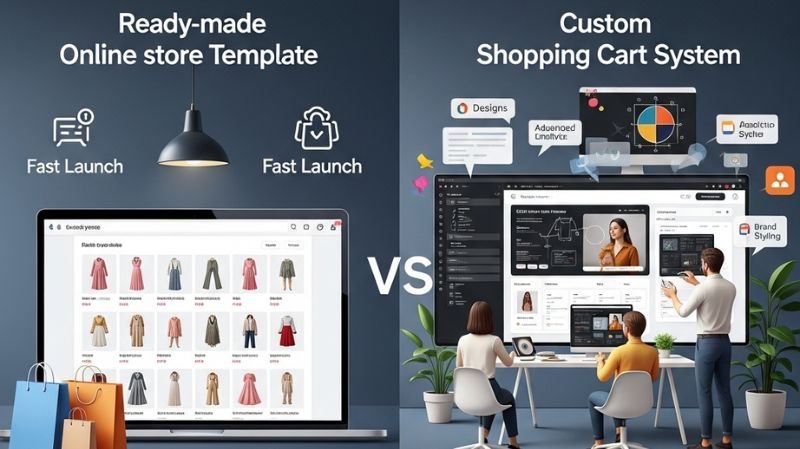
Fashion retailers must decide between custom shopping carts and ready-made solutions.
Out-of-the-Box Shopping Carts
These are ready-to-use platforms.
Advantages:
- Fast launch
- Lower startup costs
- Built-in features
Disadvantages:
- Limited customization
- Platform restrictions
Most small fashion stores choose this option.
Custom Shopping Cart Systems
Custom solutions are built specifically for a brand’s needs.
Benefits:
- Full customization
- Advanced integrations
- Unique customer experience
Challenges:
- Higher development cost
- Longer launch time
Large fashion brands often prefer this model.
Case Studies: Shopping Cart Costs in the Fashion Industry
Understanding real-world examples helps illustrate how much a shopping cart costs in practice.
Case Study 1: Small Fashion Boutique
A startup clothing boutique launching online used Shopify.
Costs included:
- Shopify plan: $39/month
- Premium theme: $180
- Apps and plugins: $20/month
Total first-year cost:
Approximately $700–$900
Result:
The boutique increased online sales by 40% in the first six months thanks to a streamlined checkout experience.
Case Study 2: Growing Fashion Brand
A mid-size fashion retailer chose WooCommerce.
Costs included:
- Hosting: $25/month
- Premium plugins: $300/year
- Developer customization: $2000
Total cost:
Approximately $2500 in the first year.
Benefit:
More flexibility for product customization and SEO optimization.
Case Study 3: Enterprise Fashion Company
A global fashion brand built a custom eCommerce shopping cart.
Investment:
- Development: $30,000
- Maintenance: $1500/month
Outcome:
The brand achieved higher checkout conversion rates and seamless global transactions.
Budgeting for Shopping Cart Implementation in a Fashion Store
Proper budgeting ensures that fashion retailers invest wisely in their eCommerce infrastructure.
Step 1: Determine Your Store Size
Different store sizes require different shopping cart systems.
Examples:
- Small boutique → SaaS platform
- Growing brand → open-source platform
- Enterprise retailer → custom solution
Step 2: Estimate Setup Costs
Common setup costs include:
- Domain name
- Hosting
- Platform subscription
- Theme design
- Plugin installation
Step 3: Plan for Ongoing Expenses
Fashion retailers should budget for recurring costs such as:
- Platform subscriptions
- Payment gateway fees
- Marketing tools
- Website maintenance
Step 4: Allocate Budget for Growth
As fashion businesses expand, they may require:
- Advanced analytics
- Automation tools
- AI-driven recommendations
- Global payment systems
Investing in scalable solutions prevents costly migrations later.
Authority Insight: Why the Right Shopping Cart Matters
According to eCommerce industry studies, over 70% of online shopping carts are abandoned before checkout. One of the biggest reasons is a complicated or slow checkout process. A well-optimized shopping cart with fast loading speeds, mobile responsiveness, and secure payment options significantly improves conversion rates.
According to studies from the Baymard Institute, the average online store experiences around 70% cart abandonment, often due to complicated checkout systems.
Conclusion
Choosing the right shopping cart system is one of the most important decisions for fashion retailers entering the world of eCommerce. While the cost of shopping cart solutions can range from free open-source platforms to enterprise systems costing tens of thousands of dollars, the best option ultimately depends on your business size, technical resources, and growth plans.
Small fashion boutiques may benefit from simple SaaS platforms that offer quick setup and minimal technical complexity. Growing brands might prefer open-source solutions that provide more customization and control. Meanwhile, global fashion retailers often invest in fully customized shopping cart systems that deliver advanced functionality and scalability.
The key takeaway is that the true cost of a shopping cart goes beyond the platform itself. Factors such as integrations, design customization, payment gateways, and ongoing maintenance all contribute to the overall investment.
By understanding these elements and planning your budget strategically, fashion retailers can choose a shopping cart solution that supports long-term growth, enhances the customer shopping experience, and ultimately increases sales.
If you’re planning to launch or scale a fashion eCommerce store, choosing the right shopping cart is critical to your success. Evaluate your store’s needs, compare platforms carefully, and invest in a solution that delivers both performance and scalability.
Start building a smarter fashion store today by selecting the shopping cart system that best aligns with your budget, brand, and business goals.
FAQs
How much does a shopping cart cost for a small fashion store?
For small fashion stores, the cost of shopping cart platforms usually ranges from $29 to $79 per month when using SaaS platforms like Shopify or BigCommerce. Additional expenses such as themes, apps, and payment gateway fees may increase the total cost.
Are open-source shopping carts really free?
Open-source platforms like WooCommerce are technically free to install, but they still require costs for hosting, plugins, themes, and developer support. The total first-year investment can range from $500 to $5000 depending on customization needs.
What is the cheapest shopping cart solution for fashion retailers?
The cheapest option is usually WooCommerce with basic hosting, which may cost around $10–$25 per month. However, retailers must handle technical setup and maintenance.
How does the shopping cart affect conversion rates?
A smooth and secure checkout process can significantly reduce cart abandonment rates. Features like guest checkout, mobile optimization, and fast payment processing improve conversions.
Can I upgrade my shopping cart as my fashion business grows?
Yes. Most platforms allow upgrades or migrations. For example, many fashion brands start with Shopify or WooCommerce and later transition to enterprise solutions as traffic and product catalogs grow.
What hidden costs should fashion retailers watch for?
Common hidden costs include:
- Payment processing fees
- Third-party plugins
- Custom development
- Security and maintenance
- Premium integrations
Understanding these costs helps avoid unexpected expenses.