Shopping today is very different from how it was a decade ago. With thousands of online stores, marketplaces, and mobile apps available, consumers now have access to more product options than ever before. While this abundance of choices is beneficial, it also creates a challenge, how do you ensure you’re getting the best value for your money?
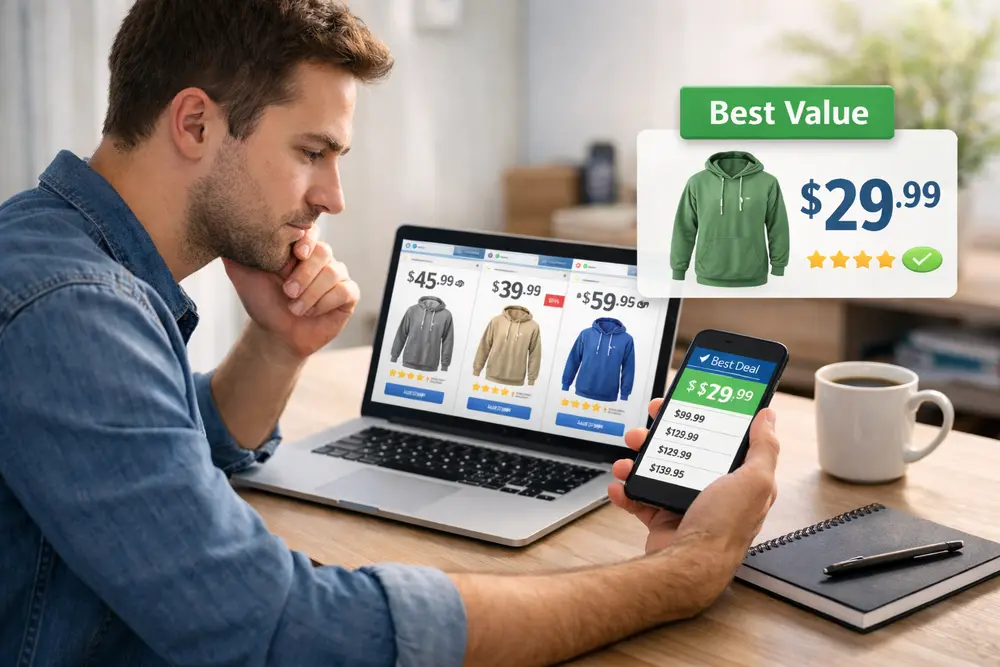
This is where comparison shopping becomes extremely important. Before making a purchase, smart shoppers often compare prices, features, product quality, and reviews across multiple retailers. This simple practice helps buyers avoid overspending and ensures they make informed decisions.
Whether you’re purchasing a smartphone, clothing, electronics, or even financial services, comparison shopping plays a crucial role in identifying the best deals available in the market.
What Is the Purpose of Comparison Shopping?
The purpose of comparison shopping is to evaluate multiple products, prices, features, and sellers before making a purchase decision. It helps consumers find the best value for their money, avoid unnecessary expenses, identify high-quality products, and make informed buying choices.
In simple terms, comparison shopping allows buyers to analyze different options and select the product that offers the best combination of price, quality, and reliability.
What Is Comparison Shopping?
The question “what is comparison shopping” often comes up among new online shoppers or people trying to improve their spending habits.
Comparison shopping is the process of evaluating similar products from different retailers to determine which option offers the best value in terms of price, quality, features, and reliability.
Instead of purchasing the first product they see, comparison shoppers take time to:
- Check prices from multiple stores
- Analyze product features
- Read customer reviews
- Compare warranties and return policies
- Evaluate brand reputation
This process can happen online, in physical retail stores, or through price comparison platforms.
Where Comparison Shopping Happens
Comparison shopping can take place in several ways:
- Online marketplaces such as ecommerce stores
- Price comparison websites that list multiple sellers
- Search engines like Google Shopping
- Mobile shopping apps
- Traditional retail stores
The main objective remains the same: finding the best deal without compromising product quality.
Quick Comparison Table: Regular Shopping vs Comparison Shopping
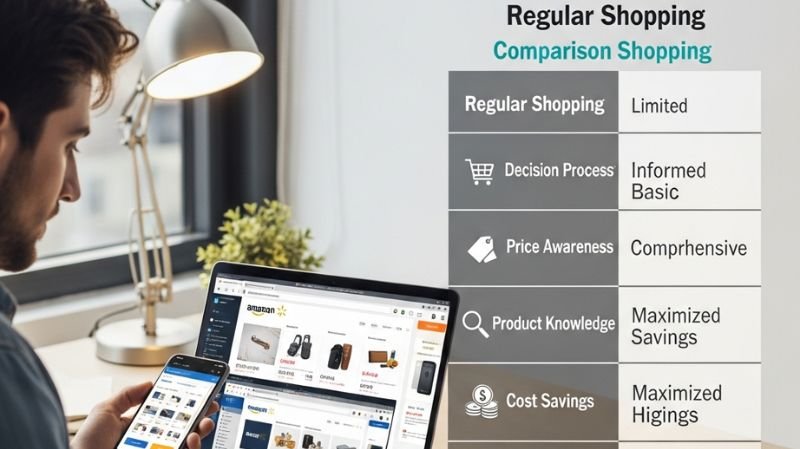
| Feature | Regular Shopping | Comparison Shopping |
| Decision Process | Quick purchase from first store | Research across multiple stores |
| Price Awareness | Limited price knowledge | Full price comparison |
| Product Knowledge | Basic information | Detailed features and reviews |
| Cost Savings | Often minimal | Higher chance of saving money |
| Purchase Confidence | Moderate | High confidence in decision |
This table highlights why comparison shopping is considered a smarter and more strategic buying approach.
Why Is Comparison Shopping Important?
Comparison shopping has become a fundamental habit for modern consumers. The digital marketplace is highly competitive, and prices for the same product can vary widely across retailers.
Here are several reasons why comparison shopping matters.
1. Helps You Find the Best Price
Different retailers often sell the same product at different prices. By comparing options, you can identify the lowest price available.
This practice helps consumers:
- Avoid overpaying
- Discover discounts and promotional offers
- Save money on expensive purchases
2. Encourages Better Purchase Decisions
When shoppers compare products, they learn more about:
- Product specifications
- Material quality
- Brand reputation
- Warranty terms
This deeper understanding helps buyers make well-informed purchasing decisions instead of impulsive purchases.
3. Provides Access to Customer Reviews
Customer reviews act as social proof. They provide insights from people who have already used the product.
Reviews help shoppers understand:
- Product durability
- Performance in real-world use
- Common issues or complaints
This feedback can prevent costly mistakes.
4. Helps You Discover Better Alternatives
Sometimes the product you initially consider may not be the best option.
Comparison shopping allows you to:
- Discover new brands
- Explore better features
- Identify higher quality alternatives
5. Supports Budget Management
For individuals managing personal finances, comparison shopping is an excellent tool for staying within budget.
By evaluating multiple options, consumers can balance:
- Price
- Quality
- Value
This ensures that purchases align with financial goals.
How Does Comparison Shopping Work?
The process of comparison shopping is simple but powerful. It involves several steps that help consumers analyze different options effectively.
Step 1: Identify the Product You Want

Start by clearly defining the product you want to purchase.
For example:
- Smartphone
- Laptop
- Home appliance
- Clothing item
Having a clear goal makes the research process easier.
Step 2: Research Multiple Retailers
Search engines and online marketplaces make it easy to find retailers selling the same product.
You can explore:
- Online stores
- Marketplace platforms
- Local retail websites
This step helps identify the range of prices available.
Step 3: Compare Product Features
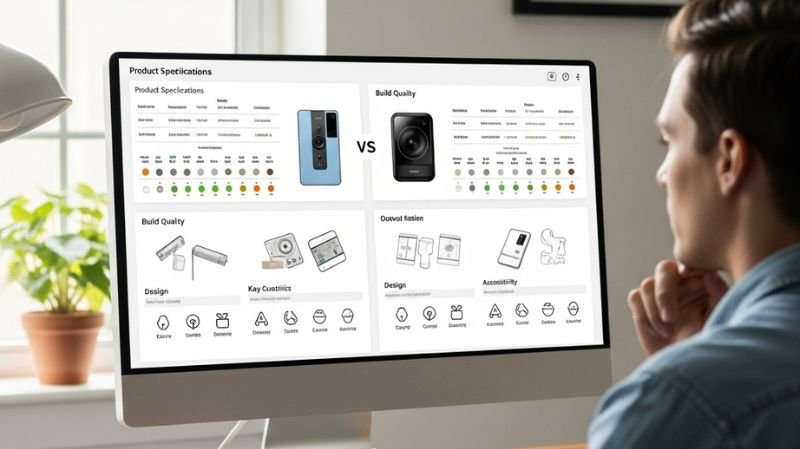
Price is important, but features matter just as much.
Look at factors such as:
- Product specifications
- Build quality
- Design and usability
- Additional features
Step 4: Check Customer Reviews and Ratings

Reading reviews provides valuable insights about product performance and reliability.
Look for reviews that discuss:
- Long-term usage
- Product durability
- Customer service experiences
Step 5: Consider Shipping and Return Policies
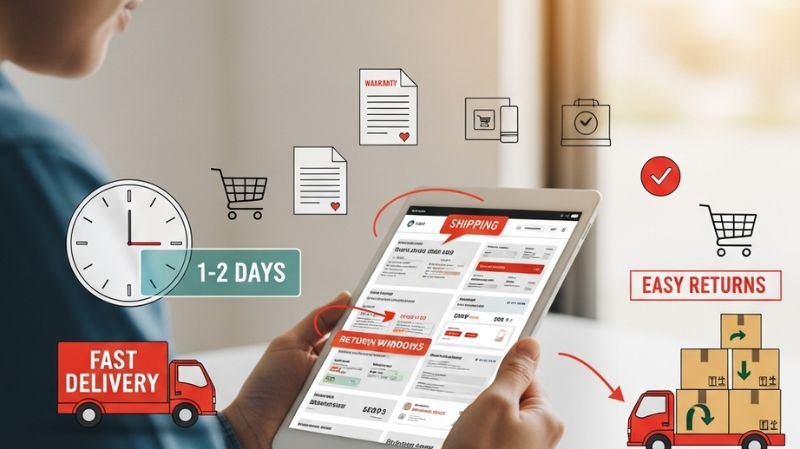
Sometimes the cheapest product may come with high shipping costs or strict return policies.
Be sure to compare:
- Shipping fees
- Delivery time
- Return options
- Warranty coverage
Example of Comparison Shopping
Imagine you want to buy a new pair of wireless headphones.
At first glance, you find a pair priced at $120 on one website. Instead of purchasing immediately, you decide to compare options.
After researching multiple stores:
- Store A sells the headphones for $120
- Store B offers them for $105 with free shipping
- Store C sells them for $110 but includes a 2-year warranty
By comparing these options, you choose Store B, saving money while still receiving the same product.
This simple example shows how comparison shopping helps consumers maximize value and minimize unnecessary spending.
Key Benefits of Comparison Shopping
Comparison shopping offers several advantages for both consumers and businesses.
1. Saves Money
The most obvious benefit is cost savings. By comparing prices across different retailers, shoppers can identify better deals and lower prices.
2. Improves Product Quality Selection
Comparing product features and reviews allows shoppers to choose higher quality products rather than focusing only on price.
3. Increases Shopping Confidence
When buyers research their options, they feel more confident about their purchase decisions.
This reduces buyer’s remorse, which often happens after impulsive purchases.
4. Provides Greater Variety
Comparison shopping exposes consumers to a wider range of products and brands.
This helps shoppers discover:
- New brands
- Innovative features
- Better alternatives
5. Supports Smart Financial Habits
Consumers who compare products regularly develop stronger financial discipline and spending awareness.
This habit encourages thoughtful purchasing decisions.
Types of Comparison Shopping

There are several ways consumers compare products before buying.
Price Comparison
This involves checking the price of the same product across multiple retailers.
Feature Comparison
Feature comparison focuses on evaluating product specifications and performance.
Brand Comparison
Different brands may offer similar products with varying quality and reputation.
Review-Based Comparison
Many shoppers rely on customer reviews and ratings to determine product reliability.
Best Practices for Effective Comparison Shopping
To make the most out of comparison shopping, follow these proven strategies.
Start with Search Engines
Search engines can quickly display multiple retailers offering the same product.
Explore Price Comparison Platforms
Comparison websites collect product listings from various retailers and display them in one place.
Read Customer Reviews Carefully
Reviews often reveal product strengths and weaknesses that are not mentioned in product descriptions.
Look for Discounts and Promotions
Retailers frequently offer:
- Seasonal sales
- Coupon codes
- Bundle offers
These deals can significantly reduce costs.
Compare at Least Three Options
Experts recommend evaluating three to five options before making a final purchase decision.
Authority Insight: Why Experts Recommend Comparison Shopping
Consumer finance experts consistently recommend comparison shopping as a fundamental financial habit. Research from various consumer advocacy organizations shows that buyers who compare multiple retailers can save 10–30% on average purchases.
In competitive ecommerce markets, price differences between sellers can occur due to variations in supply chains, shipping policies, and promotional campaigns. By analyzing these factors, consumers can make more strategic purchasing decisions while avoiding overpriced products.
This expert-backed strategy is why comparison shopping remains a key principle in personal finance education and consumer protection guidelines.
Common Mistakes to Avoid in Comparison Shopping
While comparison shopping is beneficial, certain mistakes can reduce its effectiveness.
Avoid these common pitfalls:
- Focusing only on price without checking product quality
- Ignoring shipping costs that increase the final price
- Trusting fake reviews or unreliable ratings
- Buying from unknown sellers without verification
- Overlooking return policies
Taking these factors into account ensures that comparison shopping leads to better outcomes and safer purchases.
Comparison Shopping for Businesses
Comparison shopping is not only beneficial for consumers. Businesses also rely on it to remain competitive.
Retailers often monitor competitor prices to:
- Offer competitive pricing
- Attract potential customers
- Improve product visibility
Companies in ecommerce industries also optimize product listings to appear on comparison shopping platforms and search engines, which helps increase traffic and sales.
This competitive environment ultimately benefits consumers by creating better pricing and more choices in the market.
Frequently Asked Questions
What is comparison shopping in simple terms?
Comparison shopping is the process of comparing products from different sellers before buying. It involves analyzing prices, features, quality, and customer reviews to find the best value for your money.
What is the main purpose of comparison shopping?
The main purpose of comparison shopping is to help consumers make informed purchase decisions. By comparing different products and prices, shoppers can identify better deals, avoid overspending, and choose higher-quality items.
Why is comparison shopping important for consumers?
Comparison shopping is important because it helps consumers save money, evaluate product quality, discover better alternatives, and make smarter financial decisions.
What are the benefits of comparison shopping?
Some key benefits include:
- Finding lower prices
- Discovering better products
- Reading real customer reviews
- Avoiding impulse purchases
- Improving overall shopping satisfaction
Is comparison shopping only for online purchases?
No. Comparison shopping can also happen in physical retail stores. Many shoppers visit multiple stores to compare prices and product quality before making a purchase.
What tools can help with comparison shopping?
Several tools make comparison shopping easier, including:
- Price comparison websites
- Search engines like Google Shopping
- Mobile shopping apps
- Browser extensions for price tracking
Conclusion
In a world filled with countless shopping options, comparison shopping has become an essential skill for modern consumers.
By taking the time to evaluate multiple products, prices, and retailers, shoppers can make smarter decisions that maximize value and reduce unnecessary expenses.
Whether you’re purchasing everyday items or high-value products, comparison shopping helps you:
- Save money
- Choose higher-quality products
- Avoid impulsive buying decisions
- Shop with greater confidence
Ultimately, the goal is simple: get the best possible value for your money.
Next time you plan to buy something online or in a store, spend a few extra minutes comparing your options. That small effort can lead to better deals, smarter purchases, and greater satisfaction with your shopping experience.
Start practicing comparison shopping today and turn every purchase into a smarter financial decision.